
Flowers
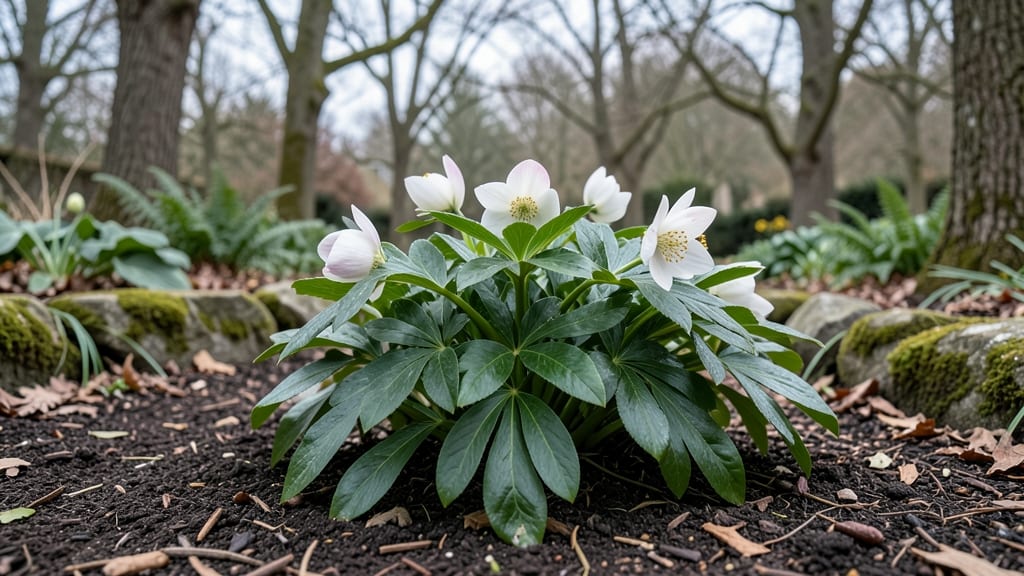
Winter shade flowers bring unexpected color when most gardens sleep. ✨ I’ve grown these same cold-hardy bloomers for years, and they’ve never failed me—not even during the harshest winters. The secret lies in choosing plants that thrive in low light and chilly temperatures while still delivering vibrant blooms.
Start with heuchera, hellebore, and winter aconite—they’re the workhorses of shade gardens. These plants handle frost like pros, with hellebore even blooming in late winter when snow still lingers. Plant them in well-draining soil and protect their roots with a 3-inch layer of mulch to keep the ground insulated.
By spring, your shade garden will be a riot of color, with foliage that stays lush even in the coldest months. The contrast of deep purple leaves against delicate white flowers creates a striking winter tableau that lasts until the first warm rains.
Works in any shaded spot—under trees, along north-facing walls, or even in containers on a covered porch. Here’s how to make them thrive all season long.
📚 In This Guide
- What you need
- Instructions
- Tips and common mistakes
- Wrapping up and next steps
What you need
- ● Cold-hardy flower varieties: Choose from heuchera (coral bells), hellébore (Lenten rose), lamium (dead nettle), cyclamen, or winter aconite. (3–5 plants per square foot for full coverage.)
- ○ Containers (optional): 10–12" pots with drainage holes (1–2 per plant if not in-ground). Use terracotta or fabric grow bags for better cold tolerance.
- ● Potting mix: 1 bag (1.5–2 cubic feet) of peat-free, well-draining soil (amend with perlite or compost for aeration).
- ● Mulch: 2–3 inches of straw, shredded leaves, or wood chips to insulate roots.
- ● Fertilizer: Slow-release balanced 10-10-10 or organic options like fish emulsion (follow package rates).
- ● Watering can or hose: With a gentle spray nozzle to avoid disturbing soil.
- ● Garden gloves & trowel: For planting and soil prep.
- ● Pruners (sterilized): For trimming dead foliage in spring.
- ● Frost cloth: Lightweight fabric to protect young plants during hard freezes.
- ● Slow-release watering spikes: For containers in dry shade.
- ● Decorative stones: To elevate mulch and add a polished look.
- ● Garden markers: To label varieties (especially if testing new cold-resistant picks!).
Step-by-step guide to planting cold-resistant shade flowers
Here's how to bring winter color to your shady garden without fuss.
🌱 Step 1: Choose the Right Frost-Tolerant Varieties
Start with shade-loving annuals and perennials that thrive in 20-50°F temperatures. Hellebores, winter aconites, and cyclamen bloom beautifully in partial shade and survive light frosts. I always check the USDA hardiness zones on seed packets—look for zones 3-7 for maximum cold resistance.
For instant impact, mix pansies and violas with heuchera (coral bells) for texture. These combinations create vibrant winter displays while keeping maintenance low. Avoid tropical-looking plants like impatiens—they'll crisp in cold snaps.
🪴 Step 2: Prepare the Planting Site
Test your soil's moisture retention—shade gardens often stay damp longer. Amend heavy clay with 2-3 inches of compost to improve drainage while retaining moisture. I use a trowel to loosen the soil to 12 inches deep, breaking up any compacted layers that could strangle roots.
For containers, select 10-12 inch pots with drainage holes. Fill with a mix of 50% potting soil and 50% perlite to prevent soggy roots. Place pots in sheltered spots where they won't catch wind—this helps protect tender foliage during freeze-thaw cycles.
☀️ Step 3: Plant at the Correct Depth and Spacing
Dig holes twice as wide as the root ball but only as deep as the container. Set plants so the top of the root ball sits level with the surrounding soil—burying too deep suffocates stems, while planting too high leaves roots exposed to cold.
Space perennials 12-18 inches apart and annuals 8-10 inches apart for airflow. Crowding encourages fungal diseases in damp shade. After planting, water deeply until moisture reaches 6 inches down—this helps settle soil and eliminates air pockets around roots.
💧 Step 4: Mulch and Protect New Plantings
Spread 2-3 inches of shredded bark mulch around plants, keeping it 2 inches away from stems to prevent rot. This mulch acts like a blanket, insulating roots from temperature swings. I always use dark brown mulch—it absorbs heat during the day and releases it slowly at night.
For your first frost, cover tender plants with frost cloth secured with u-clips. Remove it during the day to allow sunlight, then replace it at night. You'll know it's working when leaves stay crisp instead of turning mushy.
⏰ Step 5: Maintain Through Winter
Water once every 2-3 weeks unless you get 1 inch of rain—overwatering in winter leads to root rot. Check soil moisture by pushing a 6-inch screwdriver into the ground; if it comes out clean, you're good to wait.
Deadhead spent blooms in early spring to encourage new growth. Fertilize lightly with 5-10-10 in early March when you see new shoots. Avoid heavy feeding—shade plants grow slowly and don't need much nutrition to thrive.
Tips & tricks for perfect winter shade gardens
These simple strategies will help your cold-resistant shade flowers thrive all winter long.
Plant Selection: Look for varieties labeled "hardy to zone 3" or "winter-blooming" when shopping. I always check seed packets for specific cold tolerance ratings—some hellebores survive down to 10°F while others need at least 20°F. For extra insurance, choose plants with fuzzy or waxy leaves like lamb's ear—they naturally resist frost damage better than smooth-leaved varieties.
Soil Prep: The 2-3 inches of compost recommendation is non-negotiable for winter planting. I like to mix in a handful of worm castings too—it adds beneficial microbes that help roots establish faster in cold soil. For containers, that 50% perlite mix is crucial to prevent soggy roots, especially in winter when drainage slows down.
Planting Depth: When setting plants, use a small stick as a marker at soil level before planting—this helps you see exactly where the root ball sits after backfilling. I've buried plants too deep before and watched them struggle all winter. The goal is to have that root ball just peeking above the soil line, not buried or exposed.
Frost Protection: For your first frost, I recommend testing the frost cloth on a few plants first. Some varieties like pansies can handle light frost without protection, while others like cyclamen need the full coverage. The u-clips are worth the small investment—they secure the cloth better than staples and won't damage stems when removed.
Pro Tips for Winter Shade Flowers
- These simple strategies will help your cold-resistant shade flowers thrive all winter long.
- Plant Selection: Look for varieties labeled "hardy to zone 3" or "winter-blooming" when shopping.
- Soil Prep: The 2-3 inches of compost recommendation is non-negotiable for winter planting.
Frequently asked questions
Which flowers actually bloom in winter shade?
Some hardy stars include heuchera (coral bells), hellébore (Lenten rose), winter aconite, and pansies. These beauties tolerate frost and even prefer cooler temps. For extra color, try cyclamen or primrose—they’re shade-loving and winter-friendly!
Do I need to protect my winter shade flowers from frost?
Most winter shade flowers are frost-resistant, but heavy snow or ice can damage delicate blooms. Use a light frost cloth for extra protection if your area gets extreme cold (below 20°F). Mulch around the base to insulate roots—just avoid piling it against stems to prevent rot.
When is the best time to plant winter shade flowers?
Plant in early fall (4–6 weeks before first frost) so roots establish before winter. Spring planting works too, but give them a head start by choosing potted plants instead of seeds. Avoid late fall planting—tender roots may not survive freezing ground.
What if my shade flowers look sad or stop blooming?
Check for three common issues:
- Too much shade: Some flowers (like pansies) need partial shade—6+ hours of light daily. Thin nearby trees or relocate if needed.
- Poor drainage: Soggy soil = root rot. Amend with compost or raise beds slightly.
- Nutrient deficiency: Feed with a balanced fertilizer (like 10-10-10) in early spring.
Can I grow winter shade flowers in containers?
Containers work great for pansies, cyclamen, or hellebores. Use well-draining soil and pots with drainage holes. Move containers to a sheltered spot (like a porch) during hard freezes. Just remember: smaller pots dry out faster—water before temps drop below freezing!
How do I keep my winter shade garden colorful all season?
Layer plants with different bloom times:
- Early winter: Hellebores, winter jasmine
- Mid-winter: Pansies, cyclamen
- Late winter: Primrose, bleeding heart
Wrapping up and next steps
Winter shade flowers prove that even the coldest, darkest months can be a burst of color and life in your garden! 🌸 From hardy hellebores to cheerful cyclamen, these resilient bloomers bring joy without demanding sunlight.
Whether you're a seasoned gardener or just starting out, adding these frost-loving beauties is a simple way to transform your space into a cozy, vibrant retreat.
Ready to bring winter charm to your garden? Start by picking one or two of these cold-resistant stars and experiment with containers, borders, or woodland edges. Your future self—and your winter garden—will thank you! 🌿