
Companion Plants
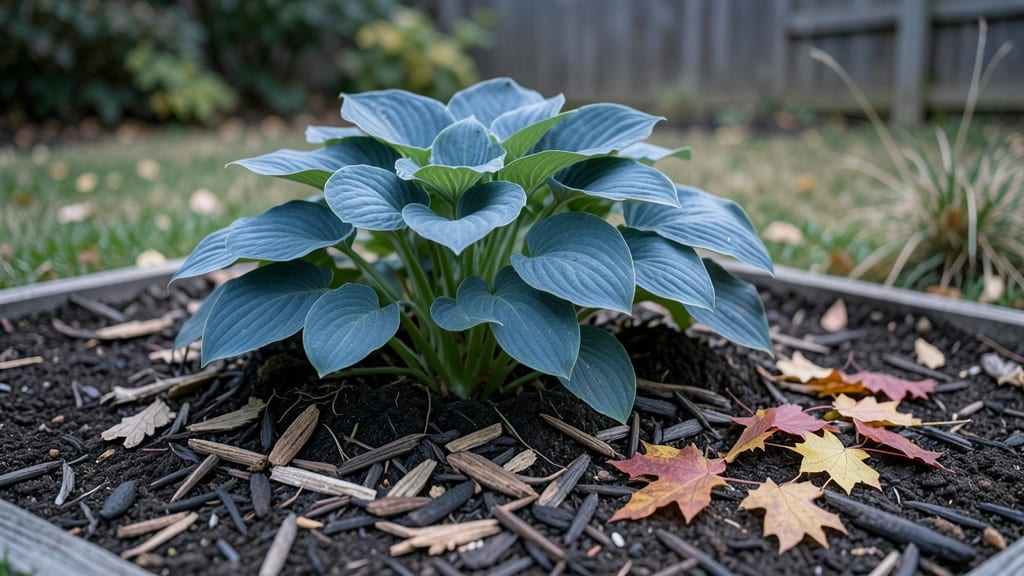
Woodland shade plants turn dim corners into thriving green havens. 🌿 I’ve transformed my darkest garden spots into lush, layered forests—no sun required. The key? Choosing plants that naturally thrive under trees, where dappled light and cool air create the perfect microclimate.
Think hostas with their velvety leaves, ferns unfurling like delicate lace, and hellebores blooming early when most gardens are still dormant. These plants don’t just survive in shade—they flourish, offering texture, color, and seasonal interest without demanding full sun.
The soil stays moist longer, and the roots stay cool, making them low-maintenance stars.
By mixing heights and textures—tall ferns, mid-level astilbes, and low-growing ajuga—you create a woodland tapestry that feels wild yet intentional. The scent of damp earth after rain and the quiet rustle of leaves in the breeze make these gardens feel alive in a way bright, sunny borders never do.
Perfect for understory planting, border edges, or even container gardens in shady patios. Here’s how to pick the right plants and arrange them for maximum impact—no gardening degree required.
📚 In This Guide
- What you need
- Instructions
- Tips and common mistakes
- Wrapping up and next steps
What you need
- ● Woodland shade plants: 5–10 mature plants (e.g., Hosta, Ferns, Astilbe, Heuchera, or Lungwort). Choose 3–5 varieties for visual interest.
- ● High-quality soil: 2–3 cubic yards of well-draining, organic-rich soil (amend with compost if your soil is heavy clay).
- ● Mulch: 1–2 bags of wood chips or shredded bark (3–4 inches deep) to retain moisture and suppress weeds.
- ● Garden gloves: A pair of durable, breathable gloves to protect your hands.
- ● Hand trowel or transplant spade: For digging small holes (6–8 inches deep).
- ● Watering can or hose with a gentle spray nozzle: For post-planting hydration.
- ● Pruners: Sharp, clean pruners for trimming dead foliage or shaping plants.
- ● Slow-release fertilizer: A balanced, organic fertilizer (e.g., 10-10-10) to give plants a nutrient boost.
- ● Ground cover fabric: For weed suppression in high-traffic areas (lay under mulch).
- ● pH testing kit: To ensure soil pH is ideal (most woodland plants prefer slightly acidic to neutral, 6.0–7.0).
- ○ Decorative stones or pebbles: For borders or pathways (optional for aesthetic appeal).
- ● Drip irrigation system: For consistent moisture in dry spells (especially useful in hotter climates).
Step-by-step guide to designing a thriving woodland shade garden
Here's how to create a lush, low-light garden that feels like a secret forest retreat.
🌿 Step 1: Assess Your Shade Conditions
First, determine your specific shade type—dry shade (under trees with little rain) or moist shade (near streams or with consistent humidity). I use a simple test: if water sits on leaves for hours after rain, it's moist shade. For dry shade, plants like heuchera or ferns excel, while moist areas welcome hostas or astilbes. Measure your space to ensure plants have at least 18-24 inches between them for mature growth.
Check light levels at different times of day. If sunlight barely reaches the ground even at noon, you're in deep shade—ideal for foxglove or bleeding heart. If dappled light appears in patches, mix shade-tolerant perennials with low-light annuals for texture. Avoid planting in areas where roots compete with nearby trees; keep new plants at least 3 feet from established tree roots.
🌱 Step 2: Prepare Soil for Moisture Retention
Woodland plants thrive in well-draining, organic-rich soil that holds moisture without becoming waterlogged. Amend your existing soil with 3-4 inches of compost and 1 inch of peat moss to improve water retention. I like to mix in a handful of sulfur if the soil is alkaline—woodland plants prefer pH 5.0-6.5. For heavy clay soil, incorporate coarse sand to prevent compaction.
Dig a hole twice as wide as the root ball but only as deep. Loosen the roots gently if they're circling—this encourages outward growth. Backfill with a mix of native soil and compost, then water deeply to settle everything. A 2-inch layer of mulch (shredded bark or leaves) keeps roots cool and retains moisture, but avoid piling mulch against stems to prevent rot.
☀️ Step 3: Plant Layered Foliage for Depth and Texture
Start with taller plants (like cimicifuga or ligularia) at the back, then add mid-height perennials (such as heuchera or tiarella) in the middle, and finish with ground covers (like ajuga or sweet woodruff) in front. Space plants based on their mature width—hostas need 18 inches, while ferns can crowd at 12 inches. I plant in clusters of 3-5 for a natural woodland look.
Water immediately after planting to eliminate air pockets, then maintain 1 inch of water weekly during the first growing season. Avoid overhead watering once established—woodland plants prefer deep, infrequent watering that mimics natural rainfall. After 4-6 weeks, you'll see new growth signaling the plants have settled in. This is the moment to add a slow-release fertilizer (like 10-10-10) to support root development.
✂️ Step 4: Maintain Through Seasonal Adjustments
In spring, remove any dead or yellowed leaves from the previous season but leave dry foliage on perennials like ferns—it protects emerging shoots. Divide crowded plants like hostas every 3-4 years in early spring to prevent decline. For moisture-loving plants, increase mulch depth to 3 inches in summer to retain coolness.
Watch for pests like slugs in moist areas—handpick them at dusk when they're active. If fungal issues appear (like powdery mildew), improve airflow by thinning dense foliage and apply neem oil as a preventative. By fall, cut back annuals but leave perennials until new growth appears in spring. This layered approach ensures your woodland garden stays vibrant year-round.
Tips & tricks for perfect woodland shade gardens
Creating a thriving woodland garden isn't just about planting—it's about understanding the subtle balance of shade, soil, and seasonal care. Here's how to elevate your garden from good to breathtaking.
Shade Type Precision: The distinction between dry and moist shade is everything. For dry shade areas, I always select plants like heuchera or ferns that tolerate minimal moisture, while moist areas benefit from hostas or astilbes that thrive with consistent humidity. Pro tip: Use a simple water test—if water lingers on leaves after rain, it's moist shade. This precision prevents plant stress and ensures your garden looks lush year-round.
Soil Science Matters: Woodland plants demand well-draining, organic-rich soil with a pH between 5.0-6.5. I've learned the hard way that alkaline soil can stunt growth—always test your soil before planting. For heavy clay soil, incorporate coarse sand to improve drainage, and for alkaline conditions, mix in a handful of sulfur. The 3-4 inches of compost and 1 inch of peat moss specified in the instructions are non-negotiable for moisture retention without waterlogging.
Layering Like a Pro: The magic of woodland gardens lies in their layered structure. Start with taller plants like cimicifuga at the back, then add mid-height perennials such as heuchera, and finish with ground covers like ajuga in front. I plant in clusters of 3-5 for a natural, forest-like appearance. This technique creates depth and texture while ensuring no plant feels crowded. Remember, spacing matters—hostas need 18 inches between them, while ferns can be closer at 12 inches.
Seasonal Maintenance Strategy: Spring is the time to remove dead leaves while leaving dry foliage on perennials like ferns to protect emerging shoots. In summer, increase mulch depth to 3 inches for moisture-loving plants, and watch for pests like slugs—handpick them at dusk for the most effective control. By fall, cut back annuals but leave perennials until new growth appears in spring. This seasonal rhythm keeps your woodland garden vibrant and healthy throughout the year.
Pro Tips for Woodland Shade Plants
- Creating a thriving woodland garden isn't just about planting—it's about understanding the subtle balance of shade, soil, and seasonal care.
- Shade Type Precision: The distinction between dry and moist shade is everything.
- Soil Science Matters: Woodland plants demand well-draining, organic-rich soil with a pH between 5.0-6.5.
Frequently asked questions
Got questions about woodland shade plants?
You’re not alone! Here are answers to the most common queries to help you create a thriving, low-light garden with ease.
What are the best woodland shade plants for beginners?
Start with hostas, heucheras, or ferns—they’re hardy, low-maintenance, and perfect for dappled shade. For texture, try astilbes or Japanese painted ferns. These plants tolerate moisture and partial shade while adding instant drama to your garden.
How long does it take for woodland shade plants to establish?
Most woodland shade plants take 1–2 years to fully establish, though some like hostas may show noticeable growth in their first season. Patience pays off—deep roots mean better drought tolerance and fewer pests! Mulch lightly to speed up the process.
Do woodland shade plants need frequent watering?
Not always! Once established, many thrive on weekly deep watering (1–2 inches per week). However, ferns and heucheras prefer consistently moist soil. Use mulch to retain moisture and reduce weeds—just avoid piling it against stems to prevent rot.
Can I grow woodland shade plants in full shade?
Yes, but choose deep-green foliage plants like Hosta ‘Blue Angel’ or Lungwort (Pulmonaria). Avoid sun-loving plants (e.g., coleus or impatiens), which will struggle. Test your shade with a light meter or observe sunlight patterns before planting.
What’s the best way to prevent pests in woodland shade gardens?
Slugs and snails love tender foliage! Handpick pests at dawn, use copper barriers, or apply organic slug bait (like iron phosphate). For long-term protection, plant garlic or chives nearby—their scent deters pests naturally.
Can I divide woodland shade plants to expand my garden?
Most hostas, heucheras, and ferns thrive when divided every 3–4 years. Do it in early spring or fall, keeping the crowns moist. Replant divisions in well-draining soil with organic matter for a head start.
Still stumped? Drop your question in the comments—we’re happy to help your shade garden flourish!
Wrapping up and next steps
Transforming your shady garden into a thriving woodland haven is easier than you think! With the right woodland shade plants, you can create a lush, low-maintenance oasis that bursts with color and texture—even in the darkest corners.
Whether you’re drawn to ferns, hostas, or heucheras, these plants prove that shade doesn’t mean sacrificing beauty. 🌿
Ready to take the next step? Start small—pick one or two plants to test your space, then expand as you gain confidence. Before you know it, your garden will be the envy of the neighborhood! Happy planting!