
Blooming
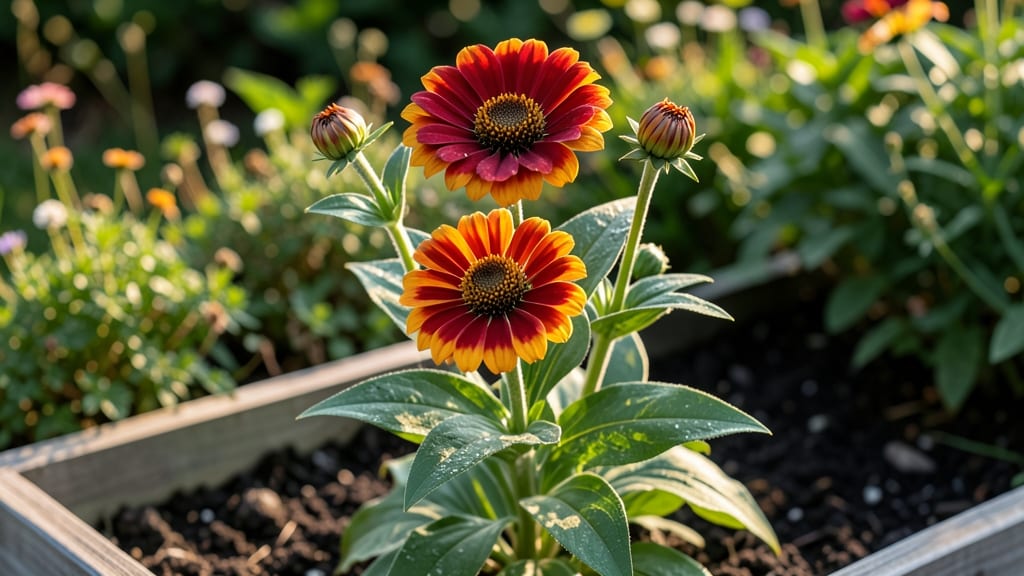
Zinnias bloom in 45 to 90 days after planting, turning your garden into a riot of color from July through October—if you time everything just right.
Wondering why your zinnias aren’t blooming when they should? Timing everything from planting to deadheading by variety and climate zone is the secret to vibrant, long-lasting zinnia flowers all season.
In USDA Zone 6a, where most gardeners grow zinnias, planting in April or May ensures blooms by midsummer, but heat-loving varieties like Benary Giant need a head start indoors to beat the clock.
Below, I break down exactly when to plant each variety for peak blooms, how to stretch your season in hot or cold climates, and the three key mistakes that rob zinnias of their full potential.
Zinnia bloom time by variety: when to plant for peak seasonal color
Zinnias are one of the most rewarding annuals for gardeners, offering bold colors and long bloom times when planted correctly. The key to maximizing their floral display lies in understanding each variety's unique germination-to-bloom timeline and adjusting your planting schedule accordingly.
From dwarf varieties perfect for containers to giant zinnias that make stunning cut flowers, each type has its own ideal window for transplanting and flowering.
Most zinnias bloom between 45-90 days after germination, but this window varies by variety. Dwarf zinnias often flower faster (45-60 days), while giant varieties can take up to 90 days to reach their full, dramatic blooms.
Knowing these timelines helps you plan for continuous color throughout the growing season by staggering plantings or choosing complementary varieties.
Here's a quick reference for ideal transplant times by variety, based on a 12-week growing season in most USDA zones 7-10. For cooler climates, adjust your schedule 2-4 weeks earlier to account for shorter seasons.
Remember, zinnias thrive in full sun and well-draining soil, so these timelines assume optimal growing conditions.
| Variety | Germination to Bloom | Ideal Transplant Time | Peak Bloom Window | Height Range |
|---|---|---|---|---|
| Dwarf (e.g., 'Thumbelina') | 45-60 days | Early April (Zones 7-10) | Late May - July | 6-12 inches |
| Semi-Dwarf (e.g., 'Crystal') | 50-65 days | Mid-April (Zones 7-10) | Late June - August | 1-2 feet |
| Standard (e.g., 'Benary's Giant') | 60-75 days | Late April (Zones 7-10) | July - September | 2-4 feet |
| Giant (e.g., 'State Fair') | 75-90 days | Early May (Zones 7-10) | August - October | 3-5 feet |
| Cactus (e.g., 'Crystal Cactus') | 55-70 days | Mid-April (Zones 7-10) | Late June - September | 1-3 feet |
| Benary (e.g., 'Profusion') | 50-65 days | Early April (Zones 7-10) | Late May - October | 1-2 feet |
For dwarf zinnias, I recommend starting seeds indoors 6-8 weeks before your last frost date. These compact varieties are perfect for container gardens and window boxes, and their quick bloom time means you'll enjoy early season color.
Place them in bright, sunny spots where they'll receive at least 6 hours of direct sunlight daily.
If you're growing giant zinnias like 'State Fair', plan to transplant them 4-6 weeks after sowing seeds indoors. These varieties need more time to establish strong stems and develop their showstopping blooms.
For maximum impact, stake them early or plant them near trellises to support their height. Their late-season blooms (August-October
Climate zone adjustments: how to extend zinnia bloom time in hot or cold regions
Zinnias thrive in USDA zones 3-11, but their bloom time varies dramatically depending on your climate. In hot southern regions like zones 9-11, zinnias can bolt quickly, while northern zones 3-5 face shorter growing seasons and early frost risks.
The key to maximizing your zinnia's flowering duration lies in adjusting your planting strategy and care routine to match your local conditions.
For gardeners in heat-prone zones 8-11, the challenge is preventing heat stress that causes zinnias to stop blooming mid-season. Meanwhile, those in cooler zones 3-6 need to work with shorter frost-free periods to coax every possible day of bloom.
Let's explore proven techniques to extend your zinnia's seasonal display regardless of where you garden.
In hot southern climates, where zinnias can struggle with heat stress, I've found that morning watering combined with afternoon shade cloth makes a dramatic difference. Try planting zinnias near taller plants or structures to provide partial afternoon shade during peak summer months.
This simple adjustment can extend your blooms by 3-4 weeks compared to full-sun exposure.
For northern gardeners in zones 3-5, the secret to longer bloom times lies in early planting and fall protection. I recommend starting seeds indoors in late March and transplanting outdoors as soon as soil temperatures reach 50°F.
Then, use row covers in late September to protect plants from early frost, often extending the season by 2-3 weeks.
Remember that zinnia varieties also play a role in climate adaptation. Dwarf varieties like 'Thumbelina' handle heat better than tall types, while Benary's Giant produces larger blooms but needs more consistent moisture. Choose varieties that match your local growing conditions for the best results.
With these climate-specific strategies, you can transform your zinnias from short-lived summer blooms to season-long stars in any USDA zone. The key is adapting your approach to either beat the heat or defy the frost, ensuring your garden stays vibrant from early summer through fall.