
Shrubs
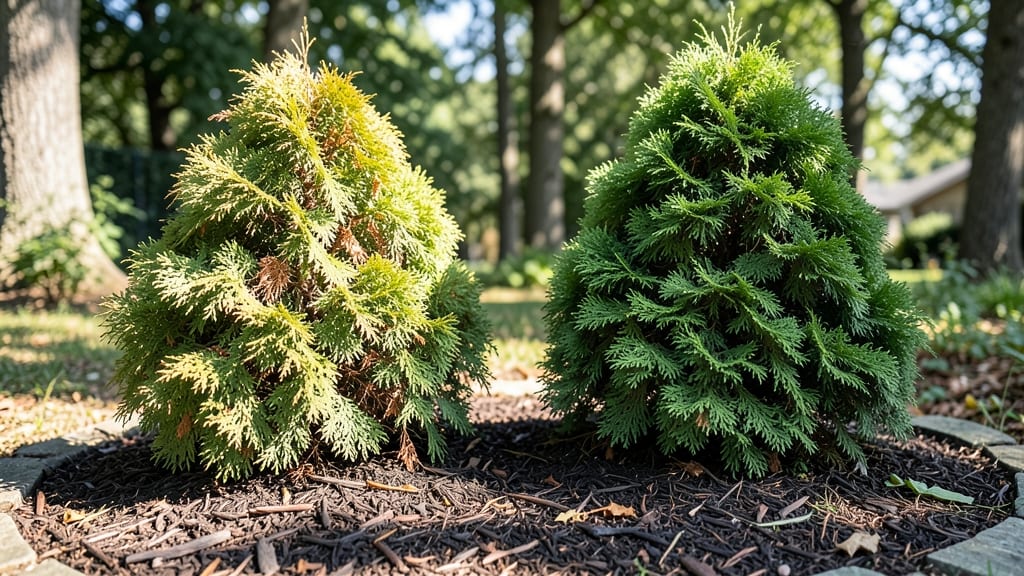
Arborvitae thrives in sun or shade, but the right balance is the key to keeping your 🌲 lush and healthy year-round.
Struggling to keep your arborvitae thriving? The battle between sun and shade exposure can make or break its lush, year-round appeal—yet most gardeners get this wrong.
Too much sun can scorch the needles, while too little shade slows growth and weakens its natural defenses. The good news? With the right approach, you can give your arborvitae the perfect light conditions for stronger growth and vibrant foliage.
In this guide, I’ll break down the ideal sunlight needs for your arborvitae, whether you’re working with full sun, partial shade, or even low-light spots. You’ll also discover how to spot signs of stress and adjust care for a thriving evergreen that stays beautiful all season.
 Best Window Placement
How sunlight affects arborvitae growth: the optimal light requirements explained
Arborvitae thrives as a year-round evergreen staple, but its sunlight needs often confuse gardeners. Unlike sun-loving shrubs, arborvitae prefers partial shade—especially in hot climates—yet can handle morning sun exposure.
The key is balance: too much sun causes sunburn, while too little shade stunts growth. Understanding your specific arborvitae variety is the first step to perfect placement.
Most arborvitae varieties tolerate 4-6 hours of sunlight daily, but their growth rates and foliage health vary dramatically based on light exposure. For example, Green Giant arborvitae handles full sun better than Emerald Green, which prefers filtered light.
Even a 10% difference in sunlight can mean the difference between lush green needles and brown, crispy tips.
Here’s the critical breakdown of how sunlight affects arborvitae—including variety-specific needs, signs of stress, and how to diagnose light-related issues before they damage your plant.
If your arborvitae shows brown needle tips, it’s likely suffering from sunburn—a common issue when afternoon sun exceeds 4 hours. This often happens in southern exposures where intense rays hit leaves directly.
To fix it, prune back exposed branches and provide afternoon shade with a lightweight shade cloth or nearby trees.
On the flip side, yellowing or sparse foliage signals shade stress. Arborvitae in full shade may grow slowly or develop thin, leggy branches. The solution?
Gradually increase light exposure by thinning nearby trees or moving potted arborvitae to a brighter location. Avoid sudden changes—transition over 2-3 weeks to prevent shock.
Diagnosing the issue starts with observing needle patterns. Sunburned tips appear crispy and dry, while shade-stressed needles look pale and stretched. Check the soil moisture too—dry soil worsens sun damage, while soggy soil can mimic shade stress.
A simple soil test ensures your arborvitae gets the right drainage and nutrients for its light conditions.
For container-grown arborvitae, sunlight needs shift dramatically. A potted Green Giant in full sun may need daily watering to prevent dehydration,
Shade-tolerant arborvitae varieties: best choices for low-light gardens
If your garden gets minimal sunlight, don’t despair—some arborvitae varieties thrive in partial shade to full shade. These shade-tolerant cultivars keep their lush foliage and year-round interest even where others struggle.
The key is choosing the right cultivar for your light conditions and giving it the right care to maximize its potential.
Many gardeners assume arborvitae need full sun, but the truth is, some varieties handle low-light conditions beautifully. The difference often comes down to foliage color, growth habit, and root health.
For example, Emerald Green arborvitae can handle partial shade, while American Arborvitae (Thuja occidentalis) tolerates full shade better than most. Let’s explore the top 5 shade-tolerant arborvitae for your dim garden spots.
When selecting a shade-tolerant arborvitae, consider your garden’s light conditions and space constraints. For example, American Arborvitae is perfect for woodland gardens with full shade, while Golden Globe adds year-round color to partial shade spots like patios or foundation plantings.
Always plant in well-draining soil to prevent root rot, even in shade.
To maximize growth in low-light conditions, mulch around the base with organic matter like shredded bark or compost. This helps retain moisture and improve soil fertility, which is crucial for shade-loving plants.
Water deeply once a week during the first year to establish strong roots, then reduce to bi-weekly once established—even in shade, consistent moisture is key.
Prune your arborvitae in late winter or early spring to encourage dense, healthy growth. Remove any brown or damaged branches first, then shape lightly to maintain its natural form.
Avoid heavy pruning in shade, as this can stress the plant further. With the right variety and care, your shade-tolerant arborvitae will thrive and add year-round greenery to your garden.