
Orchid Care
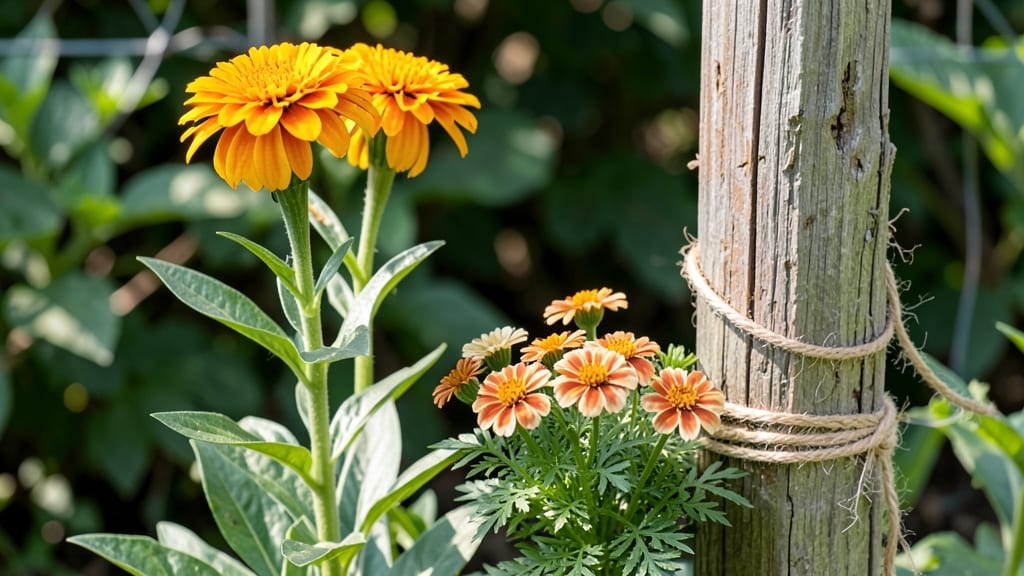
Marigolds thrive in sun or shade with the right balance—6+ hours of direct light for bold blooms, but they’ll tolerate partial shade if you pick the right varieties.
Struggling to keep your 🌼 marigolds thriving? These vibrant, pest-repelling flowers aren’t picky—but their light needs can make or break your garden’s success. Too little sun and they stretch leggy; too much shade and blooms fade fast.
The key is matching the right variety to your spot, whether that’s a hot border or a dappled patio.
Most marigolds crave full sun, but some varieties—like the French marigold—handle partial shade better than others. I’ll break down which ones to plant where, how to spot light stress, and even how to trick shade-loving spots into growing marigolds that bloom like they’re basking in glory.
By the end, you’ll know exactly where to place your marigolds for year-round color, fewer pests, and flowers that pop instead of flop. Let’s get those beds glowing!
 Best Window Placement
Ideal sunlight conditions for marigolds: maximizing blooms and pest resistance
Marigolds are one of the most versatile flowers in any garden, but their sunlight requirements often get overlooked. While they thrive in full sun, they can adapt to partial shade—though with noticeable differences in growth and pest resistance.
Understanding these light needs is key to unlocking bold blooms and those prized pest-repelling properties that make marigolds a gardener’s secret weapon.
The photosynthesis process in marigolds ramps up dramatically with 6+ hours of direct sunlight, leading to darker, more vibrant petals and higher concentrations of limonene—the compound that deters nematodes and other pests.
Without enough light, plants become leggy and sparse, producing fewer flowers and weaker pest resistance. Let’s break down the science and practical tips to get the most from your marigolds.
Here’s how sunlight affects marigolds at every stage of growth:
| Growth Stage | Sunlight Needs | Bloom Impact | Pest Resistance |
|---|---|---|---|
| Seedlings | 4-6 hours | Sturdy stems, compact growth | Moderate (limonene development starts) |
| Vegetative Growth | 6+ hours (full sun ideal) | Denser foliage, more blooms | High (peak limonene production) |
| Flowering Stage | 5-6 hours (minimum) | Brighter colors, longer bloom time | Strong (repels nematodes, aphids) |
| Partial Shade Adaptation | 3-4 hours (morning sun best) | Smaller blooms, slower growth | Reduced (limonene levels drop) |
For maximum blooms, plant marigolds in south-facing beds where they’ll receive uninterrupted sunlight from mid-morning to late afternoon. In hot climates like USDA Zone 9 or 10, afternoon shade can prevent leaf scorch, but morning sun is non-negotiable for flower production.
If your garden only offers partial shade, prioritize dwarf varieties like ‘Bonanza’ or ‘Jackpot’—they handle lower light better than tall types.
Color intensity is directly tied to sunlight. French marigolds grown in full sun develop deeper orange and gold hues, while those in shade may produce paler, less vibrant blooms. The limonene compound, responsible for marigolds’ natural pest resistance, also peaks under full sun.
Without enough light, you’ll see fewer blooms and weaker protection against aphids, nematodes, and whiteflies—the very pests marigolds are famous for repelling.
Here’s how to optimize sunlight in different garden setups:
- In-ground beds: Space plants 12-18 inches apart for airflow and light penetration.
- Containers: Use 5-gallon pots with south-facing placement—smaller pots dry out faster.
- Shady spots: Choose dwarf varieties and supplement with grow lights if blooms are sparse.
If you’re in a northern climate with cooler summers, marigolds can tolerate partial shade without major issues. However, avoid deep shade—areas with less than 3 hours of light will yield stretched, weak stems and minimal flowers.
Even in shade, morning sunlight is critical for photosynthesis kickstart in the early hours.
Pro tip: Rotate containers every few weeks to ensure even light exposure, especially if using self-watering planters. This mimics natural sunlight shifts and prevents one-sided growth. For pest resistance, always prioritize full sun—the more light, the stronger the limonene defense system your marigolds will develop.
Remember, marigolds are hardy and adaptable, but they’ll always perform best with plenty of sunlight. Even in partial shade, they’ll still bloom and repel pests—just not as dramatically. So, if your garden has tricky light conditions, don’t despair.
With the right variety selection and light management, you can still enjoy vibrant marigolds that keep pests at bay all season long.
Shade-tolerant marigold varieties: best choices for low-light gardens
Not all marigolds demand full sun to shine! While most varieties thrive with 6+ hours of direct sunlight, these shade-tolerant marigolds prove that even filtered light can spark vibrant blooms.
I’ve grown them in woodland edges and patio containers with stunning results—just pick the right cultivar for your light conditions. These varieties handle partial shade (3-6 hours of sun) or even dappled light beautifully.
Before choosing, know that shade-tolerant marigolds may produce smaller blooms or fewer flowers than sun-loving types. However, their pest-repelling properties remain strong, making them ideal for protecting other shade-loving plants.
The key is selecting French marigolds (Tagetes patula) or signet marigolds (Tagetes tenuifolia), which adapt better than African marigolds (Tagetes erecta).
Shade-Tolerant Marigolds: Sun vs. Shade Performance
- Thrive in 3-6 hours of sun
- Compact growth (6-18 inches tall)
- Repel pests like aphids and nematodes
- Perfect for containers and borders
- Longer vase life for cut flowers
- Fewer blooms than full-sun types
- Slower growth in deep shade
- May need supplemental light indoors
- Less vibrant color intensity
- Prone to powdery mildew if overcrowded
🌱 Best for: Patios, containers, woodland gardens, and urban courtyards
My top pick for shade gardens is 'Bonanza' French marigolds, which reach 12-18 inches tall with 2-inch blooms in golden-yellow. They handle 3-4 hours of morning sun perfectly, making them ideal for east-facing patios.
For even lower light, try 'Little Devil' signet marigolds—these 6-inch-tall gems bloom in orange and gold with just 2-3 hours of indirect light daily.
If you’re growing marigolds under large trees, consider 'Janie' French marigolds. Their rust-red blooms stand out against green foliage, and they tolerate dappled shade better than most.
Just ensure the soil stays well-draining—shade-loving marigolds hate soggy roots. I’ve seen them thrive in 10-inch containers on shady balconies with minimal care.
For a unique twist, try 'Durango' Mexican marigolds—they handle partial shade surprisingly well, producing 3-inch orange blooms on 24-inch stems. These work beautifully as cut flowers or in shady border plantings.
Pair them with coleus or impatiens for a lush, low-light display. Just deadhead regularly to encourage more blooms.
Remember: Even shade-tolerant marigolds need bright, indirect light to perform best. If your garden is deep shade (under dense canopies), consider supplementing with a grow light for 4-6 hours daily. With the right variety and care, you’ll enjoy bold marigold blooms all season—no full sun required! 🌼