
Light Requirements
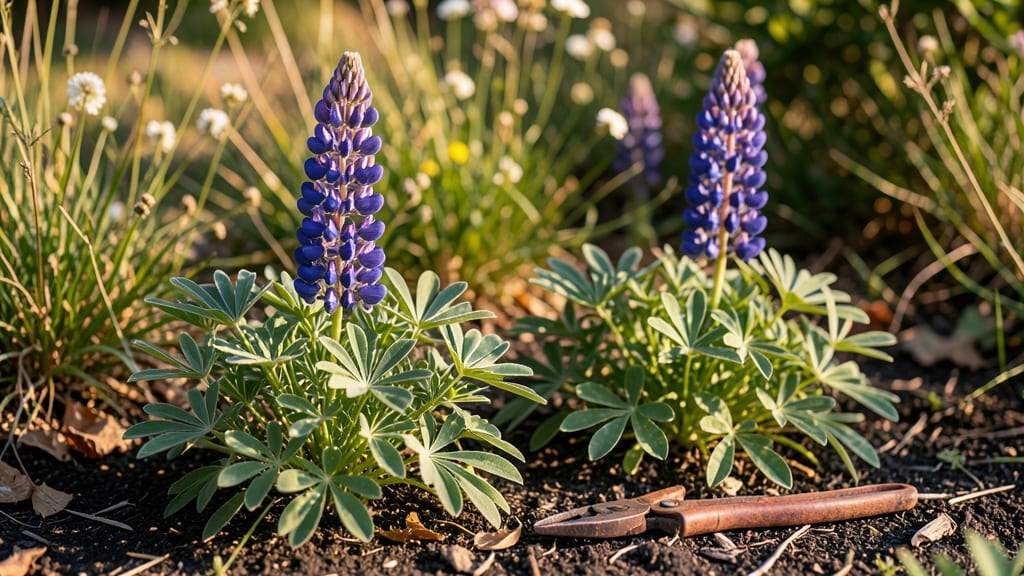
Lupines thrive in full sun or shade, but the right variety and placement can mean the difference between a showstopping display 🌸 and a plant struggling to bloom.
Ever stared at your lupines wondering why they’re putting out all the foliage but no flowers? It might not be what you’re watering or fertilizing—but where you’ve tucked them.
Too much shade and they’ll flop; too much sun and they’ll wilt. The secret? Matching your garden’s light to the lupine’s natural habits.
Sun-loving varieties like Lupinus polyphyllus will reward you with bold, long-lasting blooms in hot, open spots, while shade-tolerant types like Lupinus nootkatensis thrive under trees where others would fade. I’ll break down the best choices for your light conditions and how to position them for peak performance—no guesswork involved.
Ready to turn your lupines into the star of the garden? Discover how to pick the perfect variety, adjust their placement for seasonal light shifts, and keep them flowering from spring through summer—even if your yard isn’t a classic sun-soaked paradise.

Best lupine varieties for full sun exposure and peak bloom performance
If you're dreaming of vibrant lupine blooms that stand out in your sunny garden beds, you’ve come to the right place! Lupines thrive in full sun exposure, but not all varieties perform equally under blazing conditions.
The key is selecting cultivars that love the heat and reward you with long-lasting flowers. Let’s explore the top sun-loving lupines that will transform your garden into a colorful spectacle.
For peak bloom performance, prioritize varieties like Lupinus polyphyllus and Lupinus arboreus, which are bred to handle 6+ hours of direct sunlight daily. These cultivars not only tolerate heat but flourish in it, producing taller spikes and more abundant blooms than their shade-tolerant counterparts.
However, even sun-loving lupines need well-draining soil and consistent moisture during their establishment phase.
Here’s a quick look at the best lupine varieties for full sun, including their bloom duration, hardiness zones, and color palettes to help you make the perfect choice for your garden:
| Variety | Sunlight Needs | Bloom Duration | Hardiness Zones | Height | Color Palette |
|---|---|---|---|---|---|
| Lupinus polyphyllus 'Russell Hybrid' | Full sun (6+ hrs) | June–August (8+ weeks) | 3–9 | 3–5 ft | Purple, white, pink |
| Lupinus arboreus 'Silver Cup' | Full sun (6+ hrs) | April–June (6+ weeks) | 7–10 | 4–6 ft | Blue, white |
| Lupinus 'Chief Joseph' | Full sun (6+ hrs) | May–July (7+ weeks) | 4–8 | 2–3 ft | Deep purple |
| Lupinus 'My Castle' | Full sun (6+ hrs) | June–August (8+ weeks) | 5–9 | 3–4 ft | Red, white |
| Lupinus 'Crystal Palace' | Full sun (6+ hrs) | May–July (6+ weeks) | 3–7 | 2–3 ft | White, lavender |
When planting sun-loving lupines, focus on well-draining soil to prevent root rot, especially in hot climates. Amend heavy clay with compost or sand to improve aeration. For maximum bloom performance, apply a balanced fertilizer (5-10-10) at planting and again in early spring.
Avoid over-fertilizing, as lupines are light feeders and prefer nutrient-poor soil to encourage strong root systems.
In USDA Zones 7–10, lupines like Lupinus arboreus can even rebloom with proper care. Deadhead spent blooms to encourage continuous flowering and protect your plants from seed pod formation, which can drain energy.
Pair sun-loving lupines with drought-tolerant perennials like lavender or salvia to create a low-maintenance, high-impact garden bed.
For container gardening, choose dwarf varieties like Lupinus 'Chief Joseph' or 'Crystal Palace'.
Shade-tolerant lupines: low-light varieties for partial sun or dappled shade
If your garden has partial shade or dappled sunlight, you don’t have to miss out on lupines’ stunning blooms. Many lupine varieties thrive in low-light conditions, producing vibrant flowers while adapting to less intense sunlight.
The key is choosing the right cultivar and creating the ideal microclimate to support their growth. Let’s explore the best shade-tolerant options and how to maximize their potential in less sunny spots.
Shade-tolerant lupines often feature softer foliage and longer stems to reach for light, but they still deliver bold colors and extended blooming seasons. These varieties are perfect for understory plantings, woodland gardens, or areas near trees where direct sunlight is limited.
With the right care, they’ll reward you with lush growth and eye-catching flowers even in challenging light conditions.
Top Shade-Tolerant Lupine Varieties
- Lupinus nootkatensis (Alaska Lupine): Thrives in partial shade with silvery-blue flowers; ideal for USDA Zones 3-7. Tolerates moist, well-draining soil and cooler climates.
- Lupinus nanus (Dwarf Lupine): Compact with purple-pink blooms, perfect for rock gardens or container growing. Handles dappled shade and drought once established.
- Lupinus polyphyllus 'Russell Hybrid': A shade-adapted hybrid with deep magenta flowers, tolerating 4-6 hours of light. Great for woodland edges or understory plantings.
- Lupinus arboreus 'Chief Joseph': A tree lupine with yellow and orange blooms, adaptable to partial shade and humid climates. Thrives in USDA Zones 7-10.
To create the perfect microclimate for shade-tolerant lupines, focus on soil moisture and air circulation. These plants often prefer well-draining, slightly acidic soil (pH 6.0-7.0) to prevent root rot in shaded areas.
Amend heavy clay with compost or sand to improve drainage, and mulch around the base to retain moisture while keeping roots cool. Avoid overwatering, as soggy soil can stunt growth in low-light conditions.
When planting in dappled shade, position lupines where they’ll receive filtered sunlight for at least 4-6 hours daily. If your garden has deep shade, consider pairing lupines with taller companion plants like ferns or hostas to create a layered effect.
This not only enhances aesthetics but also helps lupines stretch toward available light without becoming leggy. Prune spent blooms regularly to encourage continuous flowering and maintain a compact shape.
One common misconception is that shade-tolerant lupines will produce fewer blooms than sun-loving varieties. While they may not reach the same height or density, many shade-adapted cultivars—like Lupinus nootkatensis—compensate with prolonged flowering seasons and vibrant colors.
With the right variety and care, you can enjoy stunning lupine displays even in the shadiest corners of your garden. Experiment with placement and observe how each cultivar responds to your specific light conditions.
For container growing, choose dwarf varieties like Lupinus nanus and use well-draining potting mix with added perlite. Place containers near east- or west-facing windows or under tree canopies where they’ll receive gentle afternoon light.
Remember, lupines are nitrogen-fixing plants, so they’ll thrive with minimal fertilization. Focus instead on consistent moisture and protection from strong winds, which can stress shade-grown plants.
With these shade-tolerant lupines and a few thoughtful adjustments, you can transform even the darkest garden nooks into a floral oasis.
Whether you’re filling a woodland garden, brightening a patio corner, or adding height to a shady border, these varieties prove that lupines aren’t just for sunny spots. Happy gardening! 🌿