
Flowers
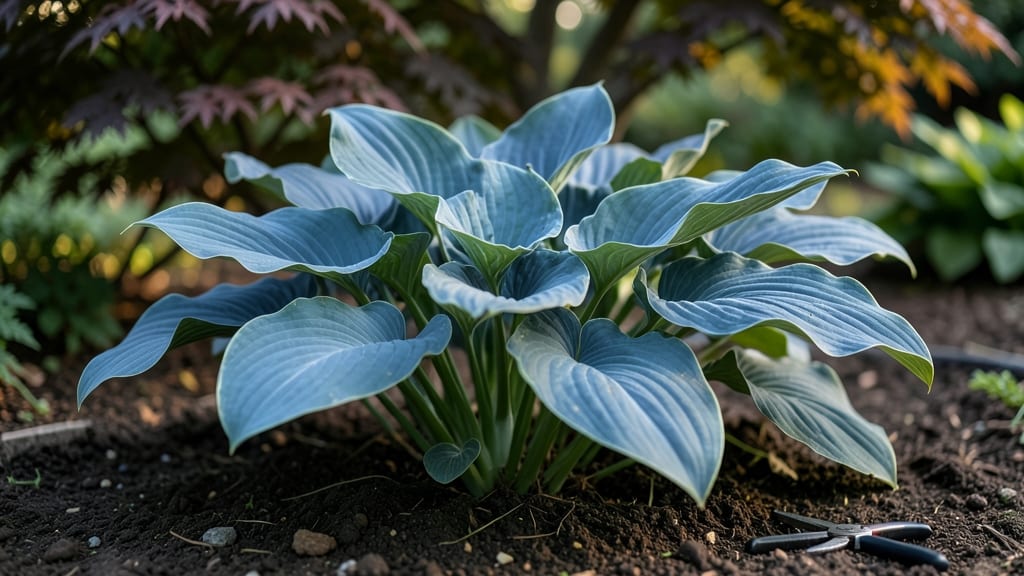
A shaded area bursting with flowers doesn’t have to be dull—year-round blooms thrive where others fail. 🌿 I turned my north-facing yard into a lush, low-maintenance paradise using plants that bloom even without direct sun.
The secret lies in choosing the right varieties and layering them for continuous color, from spring bulbs to winter interest.
Start with hostas for bold foliage, heucheras for fiery colors, and astilbes for feathery plumes that dance in the breeze. Add bleeding hearts for spring romance and ferns for texture—all of which love shade. These plants need well-draining, moist (but not soggy) soil and occasional mulch to keep roots cool.
By mid-summer, your bed will burst with impatiens and begonias, while toad lilies and Japanese anemones take over as stars. Even in winter, hellebores and winter aconites keep things lively. The key is grouping plants by light needs and height, so taller varieties don’t block sunlight-hungry neighbors.
This approach works for woodland gardens, patio corners, or under trees—anywhere sunlight is scarce. With the right mix, your shaded area becomes the envy of the neighborhood. Let’s design it together!
📚 In This Guide
- What you need
- Instructions
- Tips and common mistakes
- Wrapping up and next steps
What you need
- ● Shade-tolerant flower seeds or plants: 10–20 plants/seeds of Hosta (for foliage + subtle blooms)
- ● 5–10 plants/seeds of Impatiens (annual, bright colors)
- ● 3–5 plants/seeds of Astilbe (feathery plumes, great for texture)
- ● 2–3 plants/seeds of Bleeding Heart (Dicentra) (heart-shaped blooms)
- ● 1–2 plants/seeds of Ferns (e.g., Maidenhair or Japanese) (for lush greenery)
- ● Soil amendments (per 5 sq ft): 2–3 cups of compost (for nutrient-rich soil)
- ● 1 cup of peat moss or coconut coir (improves drainage + moisture retention)
- ○ Optional: ½ cup perlite or sand (for aeration in heavy clay soil)
- ● Mulch: 2–3 inches of organic mulch (shredded bark or pine needles)
- ● Gardening tools: 1 trowel (for planting small seeds)
- ● 1 garden fork (for loosening soil)
- ● 1 pruners (for trimming dead foliage)
- ● 1 watering can or hose with a gentle spray nozzle
- ○ Optional (but helpful!): Garden gloves (to protect your hands)
- ● pH test kit (to check soil acidity, ideal: 5.5–6.5 for most shade plants)
- ● Slow-release fertilizer (e.g., 10-10-10, 1 lb per 100 sq ft)
- ○ Decorative stones or edging (for borders, optional)
How to create a thriving shade garden with zero-sun flowers
Here’s how to transform even the darkest corner into a lush, colorful sanctuary—no direct sunlight required.
🌱 Step 1: Test Your Shade Conditions
Not all shade is equal. Use a shade meter or observe your space for 2-3 weeks to determine the light intensity. True shade (less than 2 hours of sun) suits ferns, hostas, and impatiens, while dappled shade (filtered light through trees) allows for more sun-loving flowers like astilbes or bleeding hearts. I mark my garden with stakes to track light patterns—this prevents wasted plants.
Check moisture levels too. Shaded areas stay damp longer, so avoid soggy spots by improving drainage with 1-2 inches of sand or gravel in the bottom of planting holes. You’ll know drainage is right when water drains within 15-30 minutes after watering.
🌿 Step 2: Select the Right Plants for Your Light
For deep shade, go for heucheras, lungwort, or Japanese painted ferns—they thrive in near-darkness. In partial shade, choose hydrangeas, astilbes, or foxgloves for bold color. I always match foliage to flowers: silver foliage (like lamb’s ear) brightens dark corners, while deep burgundy (like heuchera) adds drama. Check plant tags for light requirements—some labeled "partial shade" need at least 3 hours of light.
Group plants by water needs. Impatiens and ferns love consistent moisture, while hostas and hellebores tolerate drier conditions. I plant moisture-loving varieties near gutters or downspouts to reduce maintenance. Watch for yellowing leaves—a sign of overwatering in shade gardens.
☀️ Step 3: Amend Soil for Better Growth
Shade gardens need rich, organic soil to compensate for lower light. Mix 3-4 inches of compost into the top 6 inches of soil before planting. I add 1 part peat moss to 2 parts garden soil for better drainage and moisture retention. Test soil pH—most shade-loving flowers prefer slightly acidic to neutral (6.0-7.0). If your soil is heavy clay, blend in sand or perlite to improve aeration.
For container gardens, use a well-draining potting mix with 20% perlite or vermiculite. Pack soil firmly around roots to eliminate air pockets, but don’t compact it—roots need space to spread. Water deeply after planting to settle the soil and remove any air gaps.
💧 Step 4: Water and Mulch Strategically
Shaded areas dry out slower, but overwatering is the biggest killer. Water deeply 1-2 times per week, ensuring moisture reaches 6 inches down. Use a moisture meter or stick your finger in the soil—top 2 inches should feel damp, not soggy. Drip irrigation works best in shade gardens to avoid fungal diseases from overhead watering.
Apply 3-4 inches of mulch (shredded bark or wood chips) to retain moisture and suppress weeds. Keep mulch 2-3 inches away from stems to prevent rot. Replenish mulch annually—it breaks down faster in shaded, humid conditions. I top-dress with compost every spring to feed roots without disturbing plants.
✂️ Step 5: Maintain and Refresh Seasonally
Deadhead faded blooms weekly to encourage new growth—especially for impatiens and begonias, which flower continuously. Cut back leggy stems in early spring to promote bushier growth. I prune hostas and ferns in late winter to remove dead fronds and make room for fresh foliage.
Fertilize lightly in spring with a balanced, slow-release fertilizer (10-10-10). Over-fertilizing in shade leads to leafy growth at the expense of flowers. Watch for pests like slugs and snails—they thrive in damp shade. Set out beer traps or diatomaceous earth for organic control.
Tips & tricks for perfect shade garden flowers
Between us, creating a vibrant shade garden is all about working with nature—not against it. Here's how to turn those dark corners into a year-round floral masterpiece.
Light Mapping: I can't stress enough how critical the 2-3 week observation period is. Use a simple whiteboard to sketch your garden's light patterns—mark where sun hits at different times of day. This helps you visualize where to place your moisture-loving impatiens versus your more tolerant hostas. Trust me, this prevents the heartbreak of buying plants that won't thrive in their spots.
Drainage Strategy: When you're adding that 1-2 inches of sand or gravel for drainage, don't just eyeball it. Use a ruler to ensure consistent depth—variations can create pockets where water pools. I've seen soggy spots develop just because the gravel layer was thicker in one area. Also, consider adding a thin layer of landscape fabric before the gravel to prevent soil from clogging the drainage layer over time.
Soil Mixing Technique: For that 3-4 inches of compost mixed into 6 inches of soil, I recommend using a garden fork to aerate the soil first. This creates channels for roots to grow into while allowing the compost to integrate evenly. When mixing the 1 part peat moss to 2 parts garden soil, I add a handful of worm castings—it boosts microbial activity that shade plants desperately need for nutrient uptake.
Seasonal Maintenance: That weekly deadheading for impatiens and begonias is non-negotiable if you want continuous blooms. I've found that using clean, sharp pruners and making cuts just above a leaf node encourages bushier growth. For hostas and ferns, I prune in late winter when new growth begins—this reveals their striking foliage patterns while preventing fungal buildup from dead fronds.
Pro Tips for Flowers In Shaded Area
- Between us, creating a vibrant shade garden is all about working with nature—not against it.
- Light Mapping: I can't stress enough how critical the 2-3 week observation period is.
- Drainage Strategy: When you're adding that 1-2 inches of sand or gravel for drainage, don't just eyeball it.
Frequently asked questions
Got questions about thriving flowers in shaded areas? You’re not alone!
Here are answers to the most common concerns—from plant selection to troubleshooting—so you can create a lush, low-light garden with confidence.
What are the easiest flowers to grow in full or partial shade?
For zero-sun success, prioritize shade-loving perennials like hostas, heucheras, and bleeding hearts. Annuals such as impatiens and fuchsias also thrive with minimal light. Check your shade level (full, partial, or dappled) to refine your picks!
How long does it take for shade flowers to bloom?
Most shade-tolerant flowers bloom within 6–12 weeks after planting, depending on the variety. Impatiens and coleus may flower in as little as 4–6 weeks, while perennials like astilbes take longer (up to 3 months) to establish and reward you with vibrant clusters. Patience pays off!
Do shade flowers need less water than sun-loving plants?
Not necessarily! Shade flowers often have moisture-sensitive roots, so they do need consistent watering—especially in dry shade (areas with little light and poor drainage). Water deeply 1–2 times per week (adjust for clay soil or heatwaves) and mulch to retain humidity. Avoid soggy soil by ensuring proper drainage.
Can I grow flowers in deep shade (like under trees)?
Deep shade (under dense canopies) calls for tough, low-light champions like foamflower, Japanese painted ferns, or liverworts. For color, try Hellebores (Lenten roses) or Lamium. Just avoid root competition—plant 3–6 inches away from tree roots and use slow-release fertilizer to compensate for nutrient theft.
What should I do if my shade flowers aren’t blooming?
Lack of blooms often signals one of three issues:
- Not enough light: Move plants to a slightly brighter spot (even dappled light helps).
- Over-fertilizing: Too much nitrogen = leafy growth, no flowers. Switch to a low-nitrogen, high-phosphorus fertilizer.
- Stress: Check for pests (like spider mites) or root rot. Trim dead foliage and adjust watering.
Are there any shade flowers that attract pollinators?
Yes! While shade gardens may seem pollinator-unfriendly, bee- and butterfly-loving options like coneflowers (in partial shade), purple clematis, and shade-tolerant lavender thrive. Plant near sunny borders to create a pollinator highway—even a few sunny spots can make a difference!
Wrapping up and next steps
Transforming shaded areas into vibrant gardens is easier than you think! With the right low-light-loving flowers, you can enjoy year-round color and beauty without relying on direct sunlight.
Whether you’re working with a dark corner, a tree’s dappled shade, or a north-facing yard, these resilient plants prove that even the quietest spaces can bloom with life.
Ready to take the next step? Start small—pick one or two varieties from our list, prep your soil, and watch your shaded garden thrive! Happy gardening! 🌿✨