
Vegetables
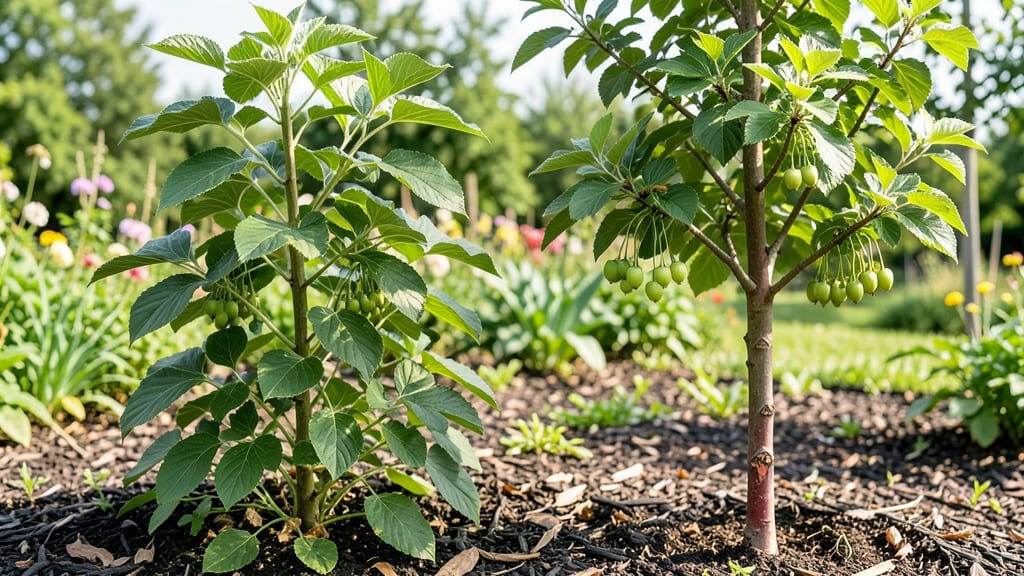
Cherries are not nightshades—they belong to the Rosaceae family, while nightshades (tomatoes, potatoes, peppers) are part of the Solanaceae family. This distinction matters for allergies and dietary restrictions, as nightshades can trigger reactions in some individuals.
This botanical difference is crucial for anyone managing food sensitivities or allergies. 🌿 Nightshades like tomatoes and eggplants contain solanine, a compound that can cause reactions in some people, while cherries are completely free of this.
The Rosaceae family—where cherries thrive—includes other fruits like apples and peaches, which share similar growing patterns and seasonal availability. If you're dealing with nightshade-related issues, knowing this distinction helps you confidently enjoy cherries without worry.
What's interesting is how this classification affects gardening and cooking.
Many people assume all fruits are safe, but nightshades' botanical cousins (like tomatoes) can cause problems for those with specific allergies. 🍒 For example, someone allergic to tomatoes might safely enjoy cherry pie without any cross-contamination concerns, since they come from entirely different plant families.
💡 In This Article
- Botanical Families: Cherries vs Nightshades
- Nightshade Allergies: What to Watch For
Botanical families: cherries vs nightshades
The key difference between cherries and nightshades lies in their plant families. Cherries belong to the Rosaceae family, which includes over 3,000 species like apples, peaches, and strawberries.
This family is characterized by five-petaled flowers and fruits that develop from a single ovary, often with a central pit containing the seed. Nightshades, on the other hand, are part of the Solanaceae family, which features over 2,700 species including tomatoes, potatoes, and peppers. 🌱
Genetically, these families differ significantly. Rosaceae plants like cherries produce fruits through a process called drupe formation, where the outer flesh surrounds a hard stone containing the seed. Nightshades, however, develop berries that contain multiple seeds within a fleshy exterior.
The Solanaceae family also contains alkaloids like solanine, which can trigger allergic reactions in some individuals, while Rosaceae fruits are generally free from these compounds.
This botanical distinction matters for plant cultivation because nightshades and cherries have different growing requirements. Nightshades thrive in warmer climates and prefer well-draining soil, while cherries need cooler temperatures and well-aerated soil to flourish.
For example, sweet cherries (Prunus avium) require 100-1,000 chill hours (temperatures between 32-45°F) to produce fruit, whereas tomatoes (a nightshade) grow best in 70-85°F conditions. 🌡️
Allergy cross-reactivity is another critical factor. People sensitive to nightshades may experience reactions to other members of the Solanaceae family, but cherries pose no risk. This is because the proteins that trigger allergies in nightshades (like Sol a 1 in tomatoes) are entirely different from those in cherries.
For instance, someone allergic to eggplant might safely enjoy a cherry cobbler without any adverse effects.
Visually, you can often tell the difference by the plant structure. Cherry trees have distinctive bark patterns and compound leaves with serrated edges, while nightshade plants typically feature smooth leaves and a more compact growth habit.
The flowers also differ: cherry blossoms are showy and white/pink, while nightshade flowers are often small and bell-shaped. 🌸
Understanding these differences helps gardeners and home cooks make informed choices. For example, if you're growing a mixed garden, you'll want to space nightshades and cherries appropriately to prevent cross-pollination or disease spread, as they have different pest vulnerabilities.
Cherries are more susceptible to fungal diseases like brown rot, while nightshades often struggle with pests like aphids and hornworms.