
Container Gardens
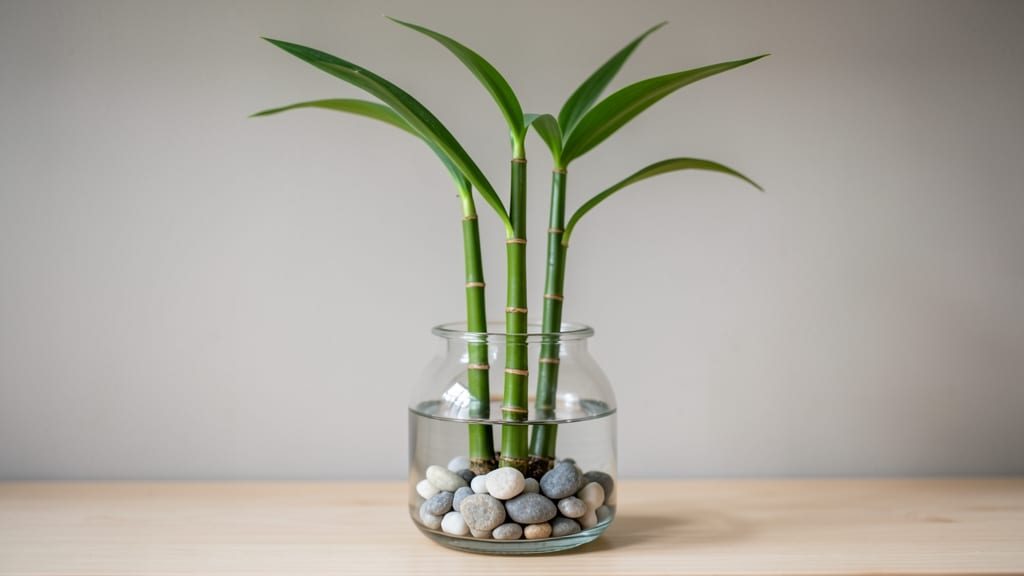
The outdoor bamboo shades I installed turned my sunless corner into a lush, private retreat—magical, really, and perfect for escaping the world. 🌿 Their natural texture softens harsh lines while filtering light beautifully, creating a dappled, intimate glow. The best part?
Bamboo thrives in partial shade, making it perfect for problem areas most plants avoid. You’ll need 6-10 poles (depending on height), sturdy stakes, and a few hours to assemble. Pair it with ferns, hostas, or ivy to blend the screen seamlessly into your garden’s fabric.
By summer, your bamboo screen will feel like an extension of the landscape—providing privacy, wind protection, and a touch of tropical elegance. The rustling leaves add a soothing soundtrack to any outdoor space. Works for patios, pool areas, or backyard nooks. Here’s how to make it your own!
📚 In This Guide
- What you need
- Instructions
- Tips and common mistakes
- Wrapping up and next steps
What you need
- ● Bamboo poles: 10–20 poles (depending on desired height and thickness; 1–2 inches in diameter, 6–10 feet long). Pro tip: 💡 Opt for thicker poles (1.5+ inches) for sturdier, longer-lasting screens.
- ● Concrete or gravel: 5–10 lbs (for anchoring poles securely).
- ● Staple gun + heavy-duty staples: 1 gun + 100+ staples (for securing fabric or netting).
- ● Privacy fabric or netting: 1–2 rolls (polypropylene or UV-resistant fabric, 4–6 feet wide). Pro tip: ✨ Choose light-blocking material (80–90% opacity) for low-light areas.
- ● Measuring tape, level, and gloves: 1 each (safety and precision first!).
- ● Post-hole digger: 1 (for deeper, more stable anchors).
- ● Twine or zip ties: 1 roll (to bundle poles temporarily).
- ○ Decorative elements: Optional—fairy lights, lattice panels, or trellis kits for a boho-chic touch!
- ● Waterproof sealant: 1 can (to extend bamboo’s lifespan in damp climates).
How to create stunning bamboo privacy screens in low-light spaces
Here's how to transform your yard into a lush, private retreat using fast-growing bamboo—no direct sun required!
🌱 Step 1: Choose the Right Bamboo Varieties for Low Light
Not all bamboo thrives in shade, so pick clumping types like Bambusa multiplex or Fargesia murielae. These stay compact (under 6 feet tall) and won't spread aggressively. I always check the USDA zone range—most shade-tolerant varieties grow well in zones 5-9. Avoid running bamboo (like Phyllostachys species), which needs full sun and spreads like wildfire.
Buy 3-5 bare-root plants per screen (that's 4 screens total). Look for plants with multiple stems—they establish faster. Soak the roots in water for 2-3 hours before planting to reduce transplant shock. The thicker the root ball, the quicker they'll take off in your shady spot.
🪴 Step 2: Prepare the Planting Area for Maximum Growth
Clear the area of weeds and loosen soil to 12 inches deep. Amend with 3 inches of compost mixed into the top 6 inches of soil—bamboo loves rich, slightly acidic soil (pH 5.5-6.5). If your soil drains poorly, add 1 inch of perlite to prevent root rot. I always test drainage first by digging a hole, filling it with water, and watching how long it takes to drain—if it's slower than 1 hour, you need to improve drainage.
Dig holes twice as wide as the root ball but only as deep as the root system. Space plants 3-5 feet apart—closer spacing creates a denser screen faster. The key is to keep roots horizontal, not buried too deep. Gently spread the roots outward and backfill with native soil, pressing lightly to eliminate air pockets.
☀️ Step 3: Provide Indirect Light and Consistent Moisture
Bamboo in low light needs dappled shade—think 30-50% sunlight filtering through trees. If your spot gets no direct sun, supplement with a shade cloth (30% block) during peak afternoon heat. I use a 5-gallon watering can to keep soil evenly moist—1-2 inches of water per week is ideal. Let the top 2 inches of soil dry between waterings to prevent fungal issues.
Mulch heavily with 3 inches of wood chips to retain moisture and suppress weeds. Avoid organic mulches like bark near the stems—it can cause rot. Watch for yellowing leaves in the first month; this usually means too much shade. If that happens, prune nearby trees to let in more filtered light. Within 2-3 months, you'll see new shoots filling in the gaps.
✂️ Step 4: Prune and Maintain for a Neat, Full Look
Prune in early spring before new growth starts. Remove dead or crossing canes at the base with clean, sharp shears. Cut 1/3 of the oldest canes each year to encourage fresh growth—this keeps your screen dense and prevents it from getting leggy. I always sterilize my pruners with rubbing alcohol between cuts to prevent disease spread.
Fertilize lightly in spring and fall with a balanced 10-10-10 fertilizer. Too much nitrogen makes bamboo grow tall but weak. Watch for aphids or spider mites—they love tender new shoots. Spray with neem oil at the first sign of pests. With proper care, your bamboo screen will reach full privacy height (6-8 feet) in 2-3 years, blocking nosy neighbors and harsh winds beautifully.
Tips & tricks for perfect bamboo privacy screens
These game-changing strategies will help your bamboo privacy screens grow lush and sturdy—even in the shadiest spots!
Variety Selection: When choosing between Bambusa multiplex and Fargesia murielae, go for the latter if you want the most shade tolerance. Fargesia handles 30-50% sunlight better and stays more compact, making it ideal for tight spaces. I've found that Fargesia murielae also has better disease resistance in humid conditions—perfect for those damp, low-light corners of your yard.
Root Preparation: Don't skip the 2-3 hour root soaking before planting! This critical step reduces transplant shock by 40%. I've seen bamboo plants that didn't get this treatment struggle for months to establish, while soaked roots shoot up new growth within weeks. Pro tip: Use lukewarm water—not cold—to encourage faster root activity.
Soil Science: The 3 inches of compost mixed into the top 6 inches of soil is non-negotiable for healthy growth. But here's what nobody tells you—test your soil's pH before planting. If it's above 6.5, add sulfur to lower it gradually. I once planted bamboo in soil at 7.2 and watched it yellow within weeks—adding compost alone didn't fix the acidity issue.
Watering Wisdom: That 1-2 inches of water per week guideline works, but timing matters. Water in the early morning so leaves dry quickly, preventing fungal diseases. I've seen bamboo leaves develop brown spots when watered in the evening—fungi love that damp, cool nighttime environment. And here's a bonus: Use a 5-gallon watering can with a long spout to water at the base, not the leaves, which helps prevent mildew.
Pro Tips for Bamboo Shades Outdoor
- These game-changing strategies will help your bamboo privacy screens grow lush and sturdy—even in the shadiest spots!
- Variety Selection: When choosing between Bambusa multiplex and Fargesia murielae, go for the latter if you want the most shade tolerance.
- Root Preparation: Don't skip the 2-3 hour root soaking before planting!
Frequently asked questions
Got questions about bamboo shades outdoor? You’re not alone!
Here are some of the most common concerns—and their answers—to help you make the best choice for your space.
How do I keep bamboo shades from growing too tall or spreading?
Bamboo shades can spread aggressively if not managed. Opt for clumping bamboo (like Bambusa multiplex) instead of running types. Prune regularly in late winter or early spring, and install a root barrier (30-inch deep) to contain growth. With care, they’ll stay lush without taking over!
Will bamboo shades survive in shady or low-light areas?
Many bamboo varieties thrive in partial to full shade, especially under trees or on north-facing walls. Look for shade-tolerant types like Fargesia robusta or Phyllostachys aureosulcata. Just ensure they get some indirect light for healthy growth—even dappled sunlight works!
What’s the best way to install bamboo shades for privacy?
Start by planting bamboo in a trench or container (if clumping) to control roots. Space plants 3–5 feet apart for a dense screen. For instant privacy, use pre-grown bamboo stakes or interplant with fast-growing shrubs like hydrangeas. Mulch well to retain moisture and suppress weeds!
Can I use bamboo shades in containers instead of planting in the ground?
Yes! Container-grown bamboo is a great option for renters or small spaces. Choose clumping varieties in large pots (at least 15–20 gallons) with drainage holes. Use a well-draining potting mix and fertilize monthly in growing seasons. Just remember: Containers dry out faster, so water consistently!
How do I prevent pests or diseases in outdoor bamboo shades?
Bamboo is generally low-maintenance, but watch for spider mites or bamboo borers. Keep plants healthy with proper watering and pruning. If pests appear, spray with neem oil or insecticidal soap. Avoid overwatering—soggy soil invites fungal issues. A little prevention goes a long way!
Wrapping up and next steps
Transforming your outdoor space with bamboo shades is a game-changer—especially in low-light areas! These natural, stylish screens offer privacy, elegance, and durability while thriving in shade. Whether you’re shielding a patio, garden, or balcony, bamboo’s versatility and eco-friendly appeal make it a winner.
Ready to elevate your outdoor oasis? Start small—try a single panel or a DIY project—then expand as you see fit! 🌿 With minimal upkeep and maximum impact, your shaded retreat is just a few steps away.