
Planting
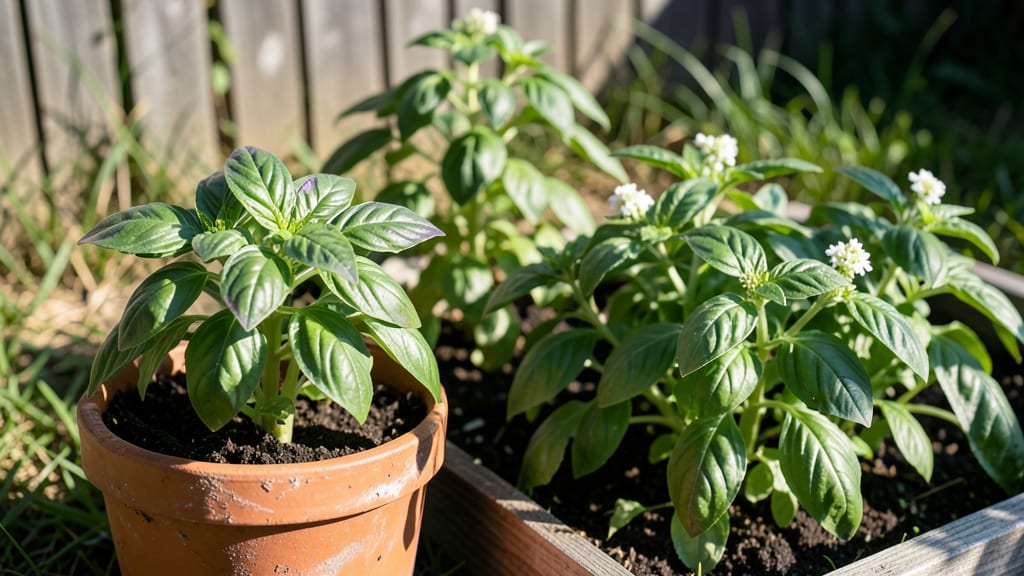
A basil plant thrives in sun or shade—but mastering that balance ensures sweet, fragrant leaves without bitterness or early bolting.
Picture this: you’ve planted your 🌿 basil with high hopes, only to watch it stretch toward the light like a starving plant or wilt under the midday glare. The truth? Basil loves warmth but hates extremes, and your local climate might be tricking you into over- or under-exposing it.
In this guide, I’ll break down how many hours of sun your basil actually needs, when partial shade saves the day (and when it’s a recipe for disaster), and how to tweak care for indoor pots or shady spots.
You’ll learn to spot the signs of stress before they ruin your harvest—and keep your basil producing all season.
Whether you’re dealing with 6a zone heat or a north-facing windowsill, these sun-or-shade hacks will turn your basil from a finicky diva into a thriving, leafy powerhouse. Let’s get growing!
 Best Window Placement
Ideal sunlight requirements for basil plants: full sun vs partial shade
If you've ever wondered why your basil plants look sad or stop producing flavorful leaves, the answer likely lies in their sunlight exposure. Basil is a sun-worshipper, but even it has limits.
Understanding the balance between full sun and partial shade is key to growing basil that thrives and tastes amazing. Let's break down exactly what your basil needs to shine—literally.
Basil plants thrive best in full sun conditions, which means at least 6 to 8 hours of direct sunlight per day. This is non-negotiable for optimal growth and flavor development. Without enough sunlight, basil becomes leggy, weak-stemmed, and loses its signature aromatic punch.
But too much scorching sun can also cause problems, like sunburned leaves or stunted growth. Finding that sweet spot is the secret to a bountiful harvest.
Here’s the catch: not all basil varieties handle shade the same way. Some, like Genovese or Sweet Basil, are more forgiving in partial shade, while others, like Thai Basil or Lemon Basil, demand full sun to reach their full potential.
Knowing your basil’s needs can save you from frustration and wasted effort.
Now, let’s talk about what happens when your basil isn’t getting the right amount of light. If your plant is stretched out with sparse leaves, it’s begging for more sunlight.
On the flip side, crispy or yellowing leaves mean it’s getting too much direct sun without adequate protection. Both scenarios can be fixed with simple adjustments, and we’ll cover those next.
| Sunlight Requirement | Ideal Exposure | Signs of Stress | Solution |
|---|---|---|---|
| Full Sun | 6-8 hours/day | Sunburn, yellowing | Use shade cloth (30-50%) |
| Partial Shade | 3-4 hours/day | Leggy stems, weak growth | Move to sunnier spot |
| Low Light | <2 hours/day | Pale leaves, no flavor | Use grow lights |
Let’s dive deeper into what full sun really means for basil. When I say 6 to 8 hours of direct sunlight, I’m talking about unobstructed rays hitting your plant’s leaves. This is especially important during the peak growing months of summer when basil is most active.
If you’re growing basil in containers, place them in a spot where they get morning sun and afternoon shade to prevent overheating. Morning sun is gentler and helps basil build energy for the day ahead.
Now, what if you live in a region with intense afternoon sun or your garden gets scorched by midday rays? In these cases, partial shade can be a lifesaver. Basil can tolerate 3 to 4 hours of direct sun in partial shade, especially if the remaining hours are filtered light.
This is common in areas with hot climates or during the hottest part of the summer. Just be prepared for slightly slower growth and less robust flavor compared to full-sun plants.
One of the biggest mistakes I see gardeners make is assuming that more sun is always better. While basil loves sunlight, too much can lead to sunburned leaves, which appear as crispy, brown patches on the foliage.
If you notice this, your basil is getting more sun than it can handle. To fix it, provide some afternoon shade using a lightweight shade cloth or relocate your plant to a spot with dappled sunlight. This simple adjustment can make a world of difference.
On the flip side, if your basil is growing leggy with sparse leaves and weak stems, it’s a clear sign of insufficient light. Leggy basil isn’t just unsightly—it’s also less productive and prone to falling over.
To correct this, move your plant to a sunnier location or supplement with grow lights if you’re growing indoors. A few hours of extra light can turn a struggling plant into a thriving one overnight.
If you’re growing basil in containers or indoors near a window, pay attention to the direction your window faces. A south-facing window provides the most consistent sunlight, while an east-facing window offers gentler morning light.
West-facing windows can be too intense in the afternoon, especially in hot climates. Rotate your containers every few days to ensure even growth and prevent your basil from leaning toward the light source.
Lastly, remember that seasonal changes affect sunlight exposure. In spring and fall, the sun isn’t as intense, so your basil might do well with a bit more shade. But as summer approaches, ramp up the sunlight gradually to avoid shocking the plant.
Observing your basil’s response to light and adjusting as needed is the key to a successful harvest. With the right balance, you’ll be rewarded with lush, flavorful basil all season long.
How to adjust light conditions for basil growth in sun or shade
Basil thrives when given the right balance of sunlight, but too much or too little can dramatically affect its growth and flavor. If your plants are growing leggy or producing bland leaves, it’s often a sign of light-related stress.
The good news? With a few simple adjustments, you can optimize your basil’s environment whether you’re dealing with intense afternoon sun or limited shade conditions.
First, let’s address the most common issue: insufficient light. Basil needs at least 6 hours of sunlight daily, but in shadier spots, you’ll need to compensate with techniques like rotating pots or using reflective surfaces.
For plants in full sun, watch for sunburned leaves or wilting—signs that afternoon shade or partial coverage is needed. Let’s dive into actionable solutions for both scenarios.
- 🌞 Rotate pots weekly to ensure even light exposure for all sides of shade-grown basil.
- 🪞 Use white reflective surfaces (like aluminum foil or mirrors) to bounce extra light onto shaded plants.
- ✂️ Prune leggy stems to encourage bushier growth in low-light conditions.
- 🌳 Provide afternoon shade with a sheer curtain or lattice for sun-scorched plants.
- 🌱 Adjust seasonally: Move basil indoors or to a greenhouse during extreme heat or cold.
If your basil is growing in partial shade, focus on pruning techniques to maximize growth. Pinch off the top sets of leaves to encourage the plant to branch out and fill in.
This method helps redirect energy toward leaf production rather than tall, spindly stems. For containers, consider using a self-watering pot with a light-colored surface—these reflect light and keep roots cooler.
For basil in full sun, protect it from the harshest rays by placing it under a light shade cloth (30-50% shade) during peak afternoon hours. This prevents leaf scorch while still allowing plenty of light for photosynthesis.
If you notice yellowing leaves, it could indicate overwatering or nutrient burn—both common in high-light conditions. Reduce watering slightly and fertilize with a balanced liquid fertilizer to restore health.
Seasonal adjustments are key, especially in transition months like spring or fall. Basil planted in early spring may need temporary shade as the sun intensifies, while fall-grown plants might benefit from extended light exposure to prolong the harvest season.
Keep an eye on your basil’s growth patterns and adjust its position every few weeks to match the changing sunlight angles.
Don’t overlook the power of container placement. If your balcony or patio has west-facing exposure, move your basil to a north-facing spot by mid-afternoon to avoid scorching.
For indoor growers, place basil near a south-facing window and supplement with a grow light for 12-14 hours daily if natural light is insufficient. With these tweaks, your basil will stay lush, flavorful, and ready for harvest all season long. 🌱