
Shrubs
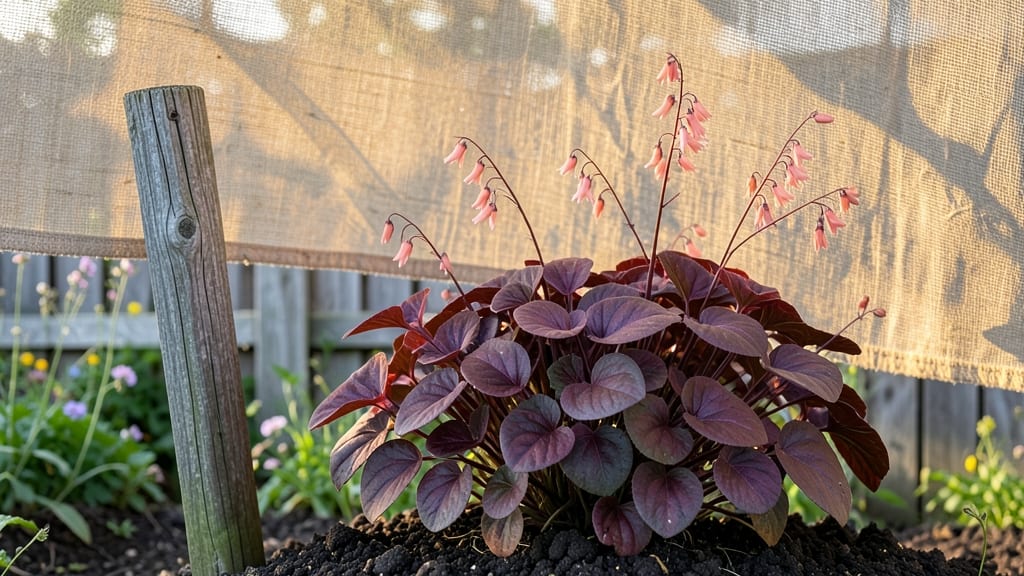
Burlap shade cloth transformed my sun-scorched garden into a thriving oasis where heat-sensitive plants finally flourished. 🌿 The secret lies in its ability to filter harsh sunlight while still allowing enough light for growth—no more crispy leaves or stunted seedlings.
I used it first on my peppers last summer, and the difference was immediate: plants stayed lush, produced more fruit, and didn’t wilt by midday.
This isn’t just for delicate plants—it’s a game-changer for seedlings, heat-loving herbs, and even outdoor furniture that fades under direct sun. The cloth blocks 30-50% of sunlight, keeping roots cool and reducing stress on plants.
Plus, it’s lightweight, breathable, and won’t smother your garden like heavy plastic. You can drape it over trellises, frame it on stakes, or even pin it to the ground for temporary shade.
By mid-season, my shade-cloth-covered beds were producing twice the harvest of my unprotected plants. The key? Securing it tightly so it doesn’t flap in the wind and checking it every few weeks for mold or pests.
A little maintenance goes a long way—especially when you’re protecting a $500 tomato crop from a heatwave.
Whether you’re saving seedlings from scorching or extending the life of your patio cushions, burlap shade cloth is the unsung hero of the garden. It’s affordable, reusable, and works in any climate—from sweltering summers to bright but cool springs. Ready to give your plants the shade they crave?
📚 In This Guide
- What you need
- Instructions
- Tips and common mistakes
- Wrapping up and next steps
What you need
- ● Gearing up for deep-shade gardening with burlap shade cloth is easier than you think! Here’s everything you’ll need to create a thriving, low-light garden oasis.
- ● Pro tip: 💡 Measure twice! Cutting burlap shade cloth to the right dimensions saves time and fabric. If covering a large area, consider pre-cut panels for easier assembly.
Step-by-step guide to using burlap shade cloth for deep-shade gardening
This method transforms low-light areas into thriving gardens—here’s how I do it right.
🌿 Step 1: Assess Your Shade Conditions and Select the Right Burlap
Burlap shade cloth works best in partial to full shade where sunlight filters through tree canopies or buildings. Test your spot by observing how much light reaches the ground at different times of day—if you see dappled sunlight or less than 2 hours of direct sun, this is prime territory. Choose 100% natural burlap (not synthetic blends) for breathability; it blocks about 30-40% of light while allowing airflow, ideal for shade-loving plants like ferns, hostas, and impatiens.
Unroll a sample piece and lay it over your garden bed for a few hours. If the fabric feels stiff and doesn’t drape naturally, it’s too thick—opt for a lighter weight. The goal is to mimic the filtering effect of a mature tree canopy, not create a dark cave. I always cut my burlap 6 inches wider than the bed on all sides to allow for secure anchoring without gaps.
✂️ Step 2: Prepare the Garden Bed and Secure the Burlap
Clear the area of weeds and level the soil surface, pressing down any loose spots to create a smooth base. For 4-foot-wide beds, I use 8-foot-wide burlap rolls (cut to length) to ensure full coverage. Stretch the fabric taut over the bed, letting it overlap the edges by 3-4 inches. This prevents light from sneaking in around the sides, which can create uneven growth patterns.
Secure the corners and edges with U-shaped landscape staples or heavy-duty fabric clips, driving them into the soil every 12-18 inches. Avoid nails—they can tear the burlap over time. For windy areas, weigh down the edges with bricks or landscape rocks at each corner. The fabric should hang loosely in the middle like a tent, allowing air circulation while blocking excess light.
🌱 Step 3: Plant and Monitor for Optimal Shade Balance
Plant your shade-tolerant species directly under the burlap, spacing them according to their mature size. For example, hostas need 18-24 inches apart, while ferns can thrive in tighter clusters. Water the soil thoroughly before planting to help roots establish quickly—shade gardens often dry out slower, but roots still need moisture to penetrate the fabric.
After 2-3 weeks, lift a corner of the burlap to check for new leaf growth. If foliage looks pale or leggy, your shade is too intense—roll back one side of the burlap to increase light exposure slightly. Conversely, if plants appear stunted or yellowing, they need more filtered light; adjust by loosening the fabric or adding a second layer (but never fully covering). This fine-tuning is critical for deep-shade gardening.
💧 Step 4: Maintain Moisture and Airflow for Long-Term Success
Burlap retains 10-15% more moisture than bare soil, so water deeply every 5-7 days (or when the top 2 inches of soil feel dry). Use a soaker hose to avoid displacing the fabric, and water in the early morning to prevent fungal issues. Over time, the burlap will decompose slightly—replace it every 1-2 years or when it loses its structure, as degraded fabric lets in too much light.
Check for pests like slugs or snails hiding under the edges; they thrive in moist, shaded conditions. If you notice chewed leaves, lay down copper tape along the burlap’s perimeter as a natural deterrent. I also rotate the burlap quarter-turn every 3 months to prevent one-sided light exposure from causing uneven plant growth.
Tips & tricks for perfect burlap shade cloth setup
Transforming your shady garden into a thriving oasis takes more than just draping fabric—here's how to get it right the first time.
Fabric Selection Matters: The 30-40% light blockage range is ideal for deep-shade plants, but not all burlap is created equal. I've found that 100% natural jute burlap (not cotton blends) decomposes more slowly and provides better airflow. For areas with intense afternoon sun, consider layering two 6-inch-wide strips instead of doubling the thickness—this maintains airflow while increasing shade. Test your fabric by holding it up to a bright light; you should see soft shadows but not complete darkness.
Anchoring Secrets: Those 12-18 inch intervals for landscape staples might seem precise, but the real trick is creating a "tent effect" in the center. After securing the edges, gently pull the middle upward to create a slight dome—this prevents water pooling and improves airflow to the soil. For wind-prone areas, I've started using galvanized metal grommets along the edges instead of staples; they're more durable and easier to adjust later.
Light Adjustment Technique: The 2-3 week check is your first opportunity to fine-tune, but here's what to watch for beyond just leaf color: examine the undersides of leaves. If they're pale green, your shade is too intense—roll back one side completely. If they're dark green with visible veins, you're golden. I've had success with a sliding adjustment system: cut a 12-inch slit in one side of the burlap and thread a wooden dowel through it. This lets you easily adjust shade levels without removing the entire cover.
Long-Term Maintenance Hack: That 1-2 year replacement schedule is a guideline, not a rule. I've extended the life of my burlap by spraying it with a diluted vinegar solution (1 part white vinegar to 3 parts water) every 6 months. This removes mineral deposits and prevents mold buildup. Store extra fabric in a breathable cotton bag rather than plastic—condensation accelerates decomposition. For winter use, remove the burlap completely if you're in a freeze/thaw climate; the expansion/contraction cycles weaken the fibers.
Pro Tips for Burlap Shade Cloth
- Transforming your shady garden into a thriving oasis takes more than just draping fabric—here's how to get it right the first time.
- Fabric Selection Matters: The 30-40% light blockage range is ideal for deep-shade plants, but not all burlap is created equal.
- Anchoring Secrets: Those 12-18 inch intervals for landscape staples might seem precise, but the real trick is creating a "tent effect" in the center.
Frequently asked questions
Got questions about burlap shade cloth? You’re not alone!
Here are answers to the most common queries to help you grow like a pro with this versatile gardening tool.
What percentage of sunlight does burlap shade cloth block?
Standard burlap shade cloth typically blocks 50-70% of sunlight, making it ideal for deep-shade gardening. Thicker weaves or multiple layers can increase coverage to 80-90% for delicate plants. Check the label for exact ratings—it’s your best guide!
How long does burlap shade cloth last before needing replacement?
With proper care, burlap shade cloth lasts 2-5 years outdoors. UV rays and moisture degrade it over time, so store it dry when not in use. If it yellows, tears easily, or loses shade effectiveness, it’s time for a refresh or replacement.
Can I use burlap shade cloth for seedlings or just mature plants?
Burlap is great for seedlings, cuttings, and heat-sensitive plants like ferns, hostas, or tropical shrubs. Just secure it loosely at first—young plants need airflow to thrive. For seedlings, pair it with stakes or a lightweight frame to avoid smothering.
What’s a good alternative if I can’t find burlap shade cloth?
No burlap? Try these DIY options:
- Cheesecloth or window screen: Light shade (30-50%) for seedlings.
- Black plastic mulch: Blocks 90%+ light but requires ventilation.
- Thin fabric row covers: Adjustable shade for tender plants.
- Natural options: Straw mulch or pine needles for partial shade.
Will burlap shade cloth attract pests like slugs or spiders?
Burlap can be a magnet for pests, but you can minimize risks:
- Treat with copper tape or diatomaceous earth before use.
- Keep edges tucked tightly to deter crawlers.
- Inspect plants regularly and remove debris underneath.
Wrapping up and next steps
Ready to unlock the secret to thriving deep-shade plants? Burlap shade cloth is your game-changer—affordable, easy to use, and perfect for transforming dim corners into vibrant gardens. 🌿 Whether you're a seasoned gardener or just starting, this simple hack can make a big difference in your plants' health and growth.
Now that you’re armed with the know-how, grab some burlap, roll up your sleeves, and give it a try! Start small—test a section of your garden—and watch your shade-loving shrubs flourish. Happy gardening! 🌱