
Blooming
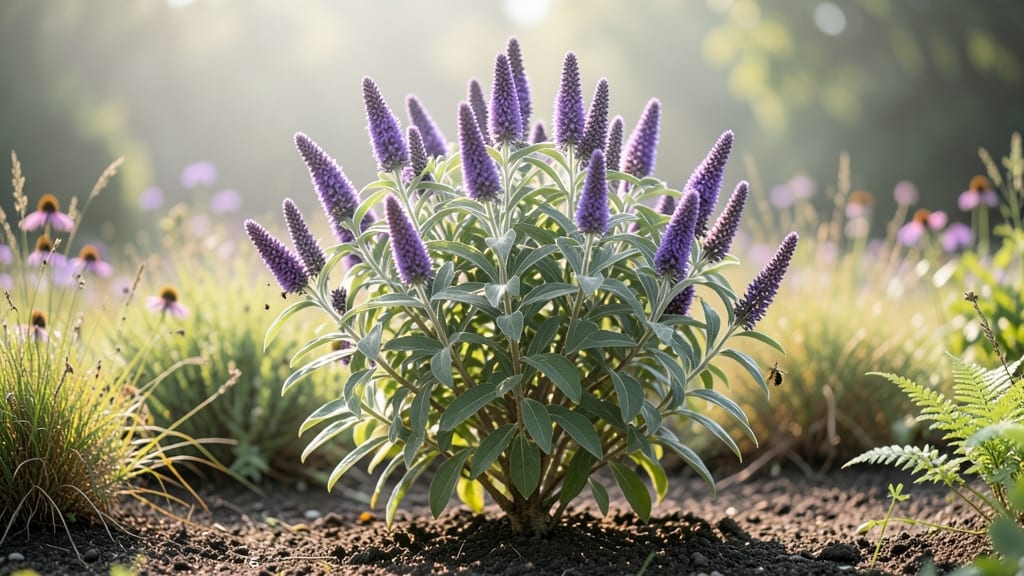
Butterfly bushes bloom in late summer through early fall 🦋, but the exact timing depends on your variety, climate, and how you prune them.
Picture this: You’ve planted your Butterfly Bush with high hopes, only for it to sit there like a leafy wall all spring and early summer. That’s because some varieties bloom just once, while others can be coaxed into reblooming with the right care.
From the bold spikes of 'Black Knight' to the delicate clusters of 'Lavender Lady,' each type has its own rhythm. In cooler zones like 6a, blooms might start later, while warmer regions see them earlier. The key? Understanding your plant’s natural cycle—and how to tweak it for more flowers.
In this guide, I’ll break down bloom times by variety, share the pruning secrets that trigger reblooms, and show you how to keep your Butterfly Bush flowering longer. No more waiting for summer to end!
Butterfly bush bloom time by variety: natural cycles explained
If you’ve ever waited eagerly for your butterfly bush to burst into bloom, only to be met with silence, you’re not alone. These stunning shrubs thrive on predictable cycles, but their timing varies wildly by variety and climate.
Some varieties explode with early summer flowers, while others linger into late fall, drawing pollinators like magnets. Understanding these natural rhythms is the first step to unlocking a garden teeming with butterflies and hummingbirds all season long.
The key to maximizing blooms lies in recognizing whether your butterfly bush is a single-bloom or reblooming type. Single-bloomers like 'Lavender Lady' put all their energy into one late-summer show, while rebloomers like 'Purple Smoke' reward you with multiple flushes if pruned correctly.
Even the same variety can shift its schedule by 500 miles or more depending on your USDA hardiness zone. Let’s break down what to expect—and how to work with nature’s timeline.
Take 'Black Knight', for example—a favorite for its dark purple blooms that attract monarchs. In Zone 5, it typically kicks off in mid-June, while in Zone 9, you might not see flowers until early July.
The reblooming habit means it can produce secondary blooms in August if you prune it back after the first flush. Meanwhile, 'Lavender Lady' is a one-hit wonder, saving all its energy for that late-summer spectacle—usually late July to August—and then going dormant until spring.
Climate plays a huge role in shifting these timelines. In cooler northern zones (4-6), butterfly bushes often bloom 2-3 weeks earlier because they respond to warmer spring temperatures more quickly.
Conversely, in hotter southern zones (8-10), blooms may arrive 1-2 weeks later as the plant waits for optimal daytime temperatures. Even within the same zone, microclimates—like a south-facing wall or urban heat islands—can push blooms forward by 10 days or more.
Don’t overlook the reblooming varieties, which are your ticket to extended seasonal interest. 'Purple Smoke', with its smoky purple spikes, can reward you with three distinct bloom cycles if you follow the right pruning schedule.
The first flush appears in late June, a second wave in August, and sometimes even a <
How to trigger butterfly bush reblooms: pruning & care secrets
Your butterfly bush (Buddleia) can produce stunning flowers twice a year with the right care. The key lies in understanding its natural bloom cycles and using strategic pruning to encourage reblooms.
Most varieties bloom once in late spring to early summer, but with proper techniques, you can coax a second flush in late summer or fall.
First, identify whether your plant is a single-bloom or reblooming variety. Rebloomers like 'Lavender Lady' or 'Purple Haze' are bred to flower multiple times, while others need extra care to produce a second bloom. The timing of your pruning cuts and fertilizer applications will make all the difference.
Cut back 1/3 of old wood to encourage new growth. This stimulates spring blooms and sets the stage for reblooming.
After the first spring bloom fades, trim spent flower stalks to 6 inches above ground. This redirects energy to new buds for a fall rebloom.
Use balanced fertilizer (10-10-10) every 4-6 weeks during growing season. Stop fertilizing in late summer to harden off new growth for winter.
Water deeply once weekly in spring/summer, reducing to bi-weekly in fall. Avoid overwatering, which can stress the plant and delay blooms.
Remove faded blooms regularly to prevent seed formation. This encourages the plant to focus energy on producing new flowers instead of seeds.
For reblooming varieties, timing is everything. After your butterfly bush finishes its first bloom cycle in June or July, wait until late summer (August) to prune back any remaining spent stems.
This gives the plant time to recover and set buds for a second bloom in September or October.
I’ve found that organic mulch around the base helps retain moisture and regulate soil temperature, which is crucial for encouraging new growth. Apply a 2-3 inch layer of shredded bark or compost in early spring and again after the first bloom cycle.
This simple step can make a huge difference in your plant’s ability to rebloom.
If your butterfly bush isn’t reblooming, check for nutrient deficiencies. Yellowing leaves often signal a need for more nitrogen, while weak stems may indicate phosphorus or potassium shortages.
A soil test can help you adjust your fertilizer mix for optimal blooming. For most butterfly bushes, a balanced fertilizer applied in early spring and mid-summer works best.
Pro tip: If you live in a warmer climate (Zone 8+), your butterfly bush may bloom almost year-round with minimal intervention. In cooler zones, focus on protecting the plant from late frosts and giving it plenty of sunlight (6+ hours daily).
With these care secrets, you’ll enjoy longer bloom seasons and a garden buzzing with butterflies and hummingbirds all summer long! 🦋