
Shrubs
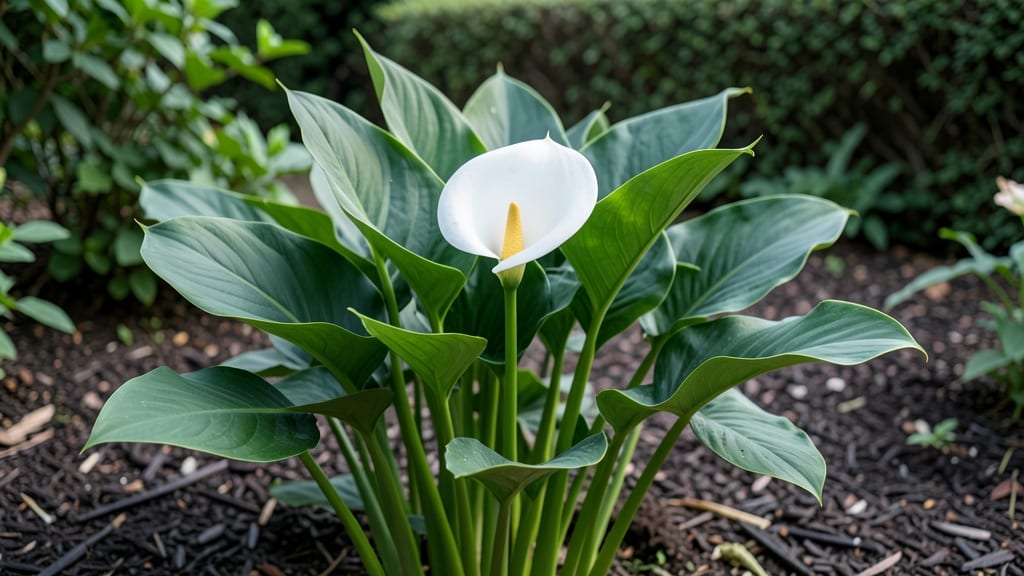
Growing calla lilies in shade doesn't mean sacrificing those show-stopping blooms 🌸—with the right approach, these elegant perennials can thrive in low-light spots and still deliver dramatic color.
Struggling to grow vibrant calla lilies in shady spots? You’re not alone—many gardeners assume these plants need bright sun, but the truth is, they’re far more adaptable than you might think. The key lies in selecting the right varieties and giving them the care they truly need to flourish.
In this guide, I’ll walk you through the best shade-tolerant calla lily varieties, how to prep your soil and water them just right, and what to do when problems like yellow leaves or sparse blooms pop up.
Whether you’re working with partial shade or full darkness, these tips will help your calla lilies put on a bold show year after year.
Ready to transform your shady garden corner into a lush, blooming oasis? Let’s dive into the secrets of growing calla lilies that don’t need the sun to shine.
 Best Window Placement
Best calla lily varieties for low-light and shady gardens
If you've ever thought shade-loving calla lilies were just a myth, think again! These stunning perennials can thrive—and even bloom spectacularly—in spots where other plants struggle. The key lies in choosing the right shade-tolerant varieties and understanding their unique needs.
With the proper selection, you can transform even the darkest corners of your garden into a lush, floral oasis.
Calla lilies (genus Zantedeschia) offer a diverse palette of colors and forms, but not all varieties perform equally in low-light conditions. Some, like the classic Zantedeschia aethiopica, are particularly well-suited for full shade gardens, while others like Z. elliottiana bring vibrant hues to partial shade spots.
Let's explore the top performers that will reward you with bold blooms even when sunlight is scarce.
| Variety | Bloom Color | Height | Shade Tolerance | Special Features |
|---|---|---|---|---|
| Zantedeschia aethiopica | Pure white | 2-3 ft | Full shade | Classic elegance, thrives in deep shade, long bloom season |
| Z. elliottiana 'Black Star' | Deep maroon | 2-3 ft | Partial to full shade | Dramatic dark blooms, excellent for containers, drought-tolerant |
| Z. rehmannii 'Pink Beauty' | Soft pink | 1.5-2.5 ft | Partial shade | Compact size, fragrant blooms, great for borders |
| Z. elliottiana 'Schwarzwalder' | Dark purple | 2-3 ft | Partial shade | Unique velvety texture, thrives in moist shade, long-lasting blooms |
| Z. jucunda 'Orange Beauty' | Vibrant orange | 1.5-2 ft | Partial shade | Bright pop of color, compact growth, excellent for woodland gardens |
The Zantedeschia aethiopica, often called the white calla lily, is the undisputed queen of full shade gardens. This variety thrives where others falter, producing pure white blooms that stand out against dark foliage.
Its tall, elegant spikes reach 2-3 feet and create a striking vertical element in shady borders or woodland gardens. What's more, it's low-maintenance and perfect for gardeners who want bold drama with minimal effort.
For those who crave color in their shade garden, Z. elliottiana varieties like 'Black Star' and 'Schwarzwalder' deliver deep, moody hues that add sophistication. These callas produce dark maroon to purple blooms that contrast beautifully with silver foliage plants or fern allies.
They tolerate partial to full shade and even perform well in container gardens on patios or balconies. Their velvety texture adds an extra dimension of interest to shaded spaces.
If you're dreaming of a romantic, cottage-garden feel, consider Z. rehmannii varieties like 'Pink Beauty'. These callas bring soft pink blooms and a slightly fragrant quality that elevates any shady spot. They're more compact than other varieties, making them ideal for border plantings or woodland garden edges.
While they prefer partial shade, they'll still perform well with just a few hours of filtered sunlight each day.
Don't overlook Z. jucunda varieties like 'Orange Beauty' for adding a vibrant splash of color to your shade garden. These callas produce bright orange blooms that create a striking contrast against dark green foliage. Their compact size makes them perfect for small gardens
How to grow calla lilies successfully in shade: essential tips
Growing calla lilies in shade might seem challenging, but with the right approach, these stunning plants will reward you with lush foliage and vibrant blooms. The key lies in replicating their natural habitat—moist, rich soil and indirect light.
Unlike sun-loving plants, calla lilies thrive in partial to full shade, making them perfect for woodland gardens or shaded patios.
To ensure success, focus on three critical factors: soil quality, consistent moisture, and seasonal care adjustments. These elements work together to create the ideal environment for your calla lilies to flourish, even when sunlight is limited.
Let’s break down the essential steps to keep your plants healthy and blooming.
- Soil Preparation: Amend your soil with organic matter like compost or peat moss to improve drainage and retain moisture. Calla lilies prefer soil with a pH of 6.0–7.0, slightly acidic to neutral.
- Watering Schedule: Keep soil consistently moist but avoid waterlogging. Water deeply 2–3 times per week during the growing season (spring to fall) and reduce to once a week in winter.
- Fertilizer Needs: Use a balanced fertilizer (5-10-10) every 4–6 weeks during the growing season. Apply in early spring and summer to support foliage and blooms, but avoid fertilizing in fall or winter.
- Seasonal Adjustments: In spring, mulch around the base to retain moisture. In fall, reduce watering and stop fertilizing to prepare for dormancy. In winter, protect rhizomes with a thick layer of mulch in colder climates.
- Plant Spacing: Space rhizomes 6–12 inches apart to allow for airflow and prevent fungal diseases. This spacing also gives leaves room to spread, creating a fuller, more dramatic look in shaded areas.
One common mistake gardeners make is overwatering, which can lead to root rot. Always ensure your soil has good drainage by adding perlite or sand if your native soil is heavy.
A simple test is to press your finger into the soil—if the top inch feels dry, it’s time to water.
For maximum blooms, place your calla lilies in the brightest shade possible, such as under a deciduous tree where they’ll receive dappled sunlight. Avoid deep, dark shade where they may struggle to produce flowers.
With these tips, your shade-loving calla lilies will thrive and become the star of your garden.
Remember, patience is key—calla lilies may take a year or two to establish and bloom fully, especially in low-light conditions. But once they do, their striking white, pink, or purple blooms will make every effort worth it. Happy gardening!