
Light Requirements
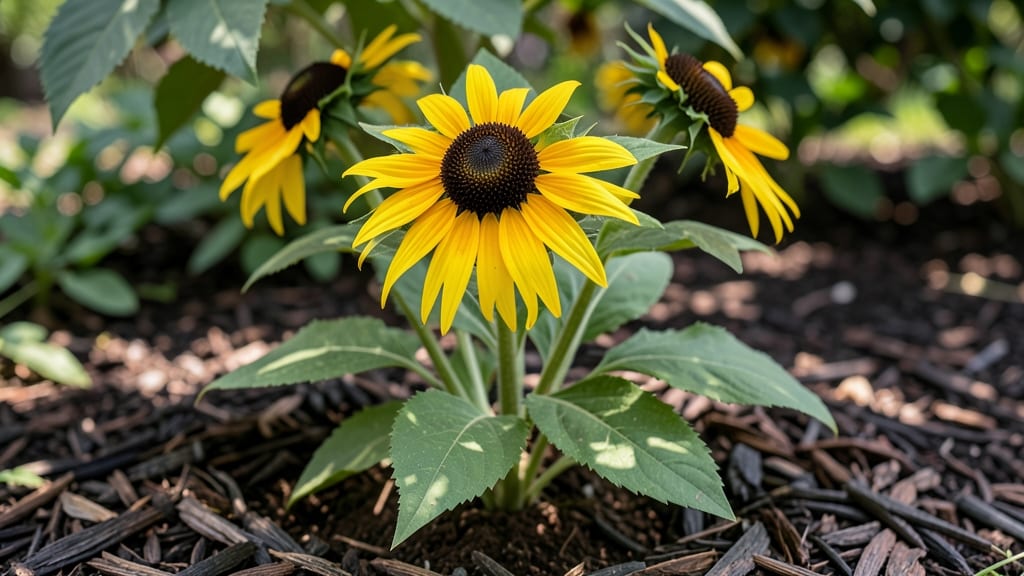
Daisies can grow in shade, though they thrive best in partial sun with 3-6 hours of light daily. Shade-tolerant varieties like Shasta daisies or African daisies adapt to low-light conditions but may produce fewer blooms or weaker stems. Choose well-draining soil and monitor moisture levels for optimal growth.
While daisies aren't typically shade lovers, certain varieties handle low-light conditions better than others. 💫 The key is selecting the right type—Shasta daisies, for example, can tolerate partial shade but will reward you with more vibrant blooms when given a few hours of sunlight.
African daisies also perform well in shaded spots, though their growth may be slower compared to sun-drenched gardens. For best results, pair these varieties with well-draining soil and consistent moisture, as they're more sensitive to soggy conditions than sun-loving daisies.
If you're working with limited sunlight, consider container gardening to improve drainage and control soil quality. Adding a slow-release fertilizer in spring can also boost their resilience.
Remember that while shade-tolerant daisies will survive, their blooming season might be shorter or less abundant—so don't expect the same showy displays you'd get in full sun.
💡 In This Article
- Shade-Tolerant Daisy Varieties and Their Light Needs
- Optimizing Daisy Growth in Low-Light Gardens
Shade-tolerant daisy varieties and their light needs
The ability of daisies to thrive in shade depends entirely on their species. Shasta daisies, for example, can handle 3-4 hours of sunlight daily while still producing 3-4 inch blooms, though their stems may weaken in deeper shade.
African daisies (Osteospermum) are even more adaptable, tolerating 2-3 hours of light and maintaining their vibrant purple or white flowers, though their growth rate slows significantly. 🌿 These varieties compensate for low light by developing broader leaves that capture more diffuse sunlight through photosynthesis.
Gerbera daisies, however, struggle in shade—their bright colors fade to pale yellows, and stems become leggy and prone to flopping. The science behind this involves chlorophyll production: shade reduces the plant's ability to synthesize enough chlorophyll, which is why you'll notice leaves turning lighter green or yellowish.
For shade gardens, consider Gerbera hybrids specifically bred for low light, which can produce 20-30% more blooms than standard varieties when given morning sun only.
Light exposure directly impacts bloom frequency. In full sun, Shasta daisies produce 50-70 blooms per season, while in shade, that number drops to 10-20 blooms. The reason? Sunlight triggers photoperiodism—the plant's internal clock that signals when to flower.
Without adequate light, energy goes toward leaf growth instead of bud formation. African daisies follow a similar pattern but with slightly better shade tolerance due to their native habitats in South Africa's varied climates.
For gardeners with less than 2 hours of sunlight daily, consider Gerbera 'Terry' series or Shasta 'Becky' variety, both of which have been selectively bred for shade resilience. These hybrids develop thicker stems and darker foliage to better absorb available light.
The trade-off? Flowers may appear 1-2 weeks later in the season and last 20-30% shorter than sun-grown counterparts.
Color also plays a role: darker petals (deep pinks, purples) absorb more light than whites or yellows, giving them a slight advantage in shaded areas. This is why African daisies with velvety purple blooms often outperform their white-flowered cousins in low-light conditions.
The petal structure in darker varieties has more surface area for light absorption, similar to how dark clothing stays warmer in sunlight.
One surprising fact: daisies grown in shade often develop stronger fragrance as a survival mechanism to attract pollinators with limited visual cues.
The increased scent production is a chemical adaptation where the plant redirects energy toward volatile organic compounds that attract bees and butterflies. 🌸 This can make your shade garden unexpectedly aromatic!