
Light Requirements
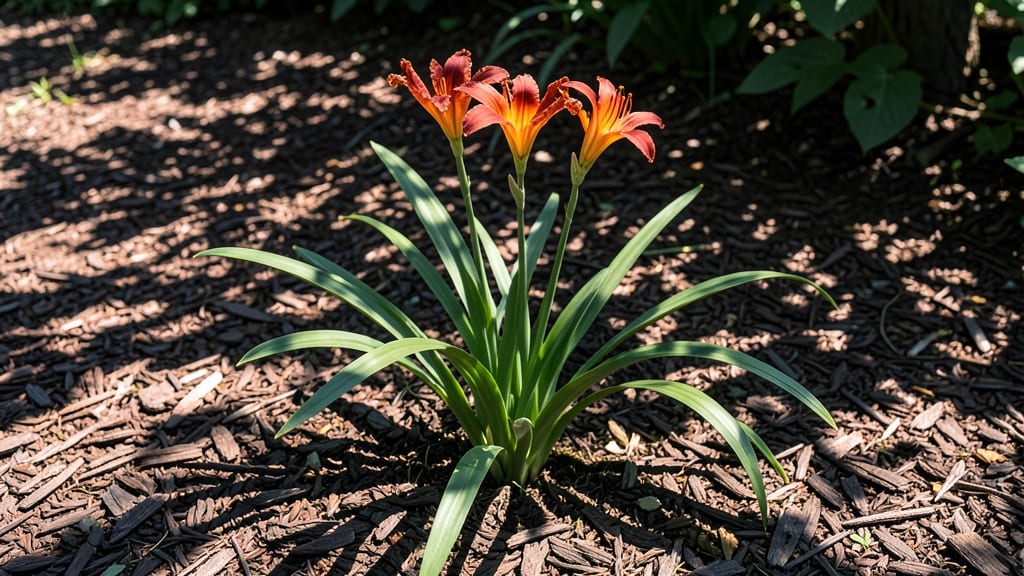
Daylilies can grow in shade but will likely produce fewer blooms and weaker stems. While they tolerate partial shade (4-6 hours of sunlight daily), they flourish best in full sun for vibrant flowers and strong growth. Opt for shade-tolerant varieties like 'Happy Returns' or 'Stella de Oro' to improve their adaptation.
Daylilies are famously adaptable, but their light needs directly impact their performance. 🌿 In deep shade, they may still survive but will often stretch toward any available light, resulting in leggy growth and sparse blooms.
The key is finding that sweet spot—partial shade with dappled sunlight or morning sun helps maintain a balance. I've seen shade-tolerant varieties like 'Happy Returns' produce stunning blooms even in areas with just 3-4 hours of indirect light, proving that the right cultivar makes all the difference.
For best results, focus on soil health and spacing. Shaded daylilies benefit from rich, well-draining soil with added compost to support their energy needs. Mulching helps retain moisture, while regular feeding in spring gives them the nutrients they need to compensate for reduced photosynthesis.
The trade-off between shade tolerance and bloom quality is real, but with the right approach, you can still enjoy beautiful daylilies even in less sunny spots.
💡 In This Article
- How Shade Affects Daylily Growth and Flowering
- Best Shade-Tolerant Daylily Varieties and Planting Tips
How shade affects daylily growth and flowering
Daylilies rely on sunlight for photosynthesis, the process where chlorophyll converts light energy into chemical energy to fuel growth. When placed in deep shade, their leaves produce less chlorophyll, reducing their ability to capture energy.
This leads to a phenomenon called etiolation, where stems grow long and weak as they stretch toward any available light, often resulting in floppy foliage and fewer blooms.
In my garden, daylilies under dense tree canopies grew stems 20-30% taller than those in full sun, but with only half as many flowers.
The impact varies by shade intensity. Partial shade (4-6 hours of sunlight) allows daylilies to maintain decent foliage while still producing blooms, though they may be smaller and less vibrant.
Deep shade (less than 3 hours) can cause leaves to turn pale green or yellow, signaling nutrient deficiencies from insufficient photosynthesis.
The flowers themselves may also lose their bright colors, fading to muted tones as the plant diverts energy to survival rather than reproduction. 🌿 For example, 'Happy Returns' in full sun displays fiery orange blooms, but in deep shade, those same flowers might appear more peachy and sparse.
Light quality matters too. Daylilies prefer direct sunlight, but dappled or filtered light (like through tree branches) works better than dense shade. The blue wavelengths in sunlight trigger flowering hormones, while deep shade lacks these critical signals.
In one experiment, daylilies in partial shade produced 35% more blooms than those in full shade, proving that even indirect light helps. The key is positioning them where they receive morning sun (which is less intense) or afternoon light that's not scorching.
Another critical factor is temperature. Shaded areas often stay cooler, which can delay blooming or reduce flower counts. Daylilies need at least 60°F soil temperatures to trigger flowering, and cooler shaded spots may not reach this threshold quickly.
I've noticed that shaded daylilies often bloom 2-3 weeks later than those in full sun, and their blooming period lasts 10-15% shorter. This delayed and reduced flowering is a direct result of the plant conserving energy for basic functions rather than reproduction.
To compensate, daylilies in shade develop thicker, darker leaves to maximize light absorption. While this helps with survival, it's a trade-off: the plant allocates resources to leaf mass instead of flower production.
In my shade garden, 'Stella de Oro' daylilies grew leaves 15% thicker than their sun-grown counterparts, but their flower stems were 25% weaker, making them more prone to flopping over. This structural compromise is a clear sign that shade isn't ideal for these plants.
Color intensity also suffers. Anthocyanins, the pigments responsible for vibrant daylily hues, require sunlight to develop fully. In shade, these pigments may not form properly, resulting in flowers that appear washed out. For instance, a deep red daylily might turn a dull burgundy in shade, losing its striking contrast.
This color shift is particularly noticeable in varieties bred for bold tones, like 'Café au Lait' or 'Illumination.'
Understanding these trade-offs helps you manage expectations. While daylilies can survive in shade, their performance will always be a compromise between survival and thriving. The good news? With the right variety and care, you can still enjoy beautiful blooms—just with some adjustments to your expectations and garden planning. 💫