
Light Requirements
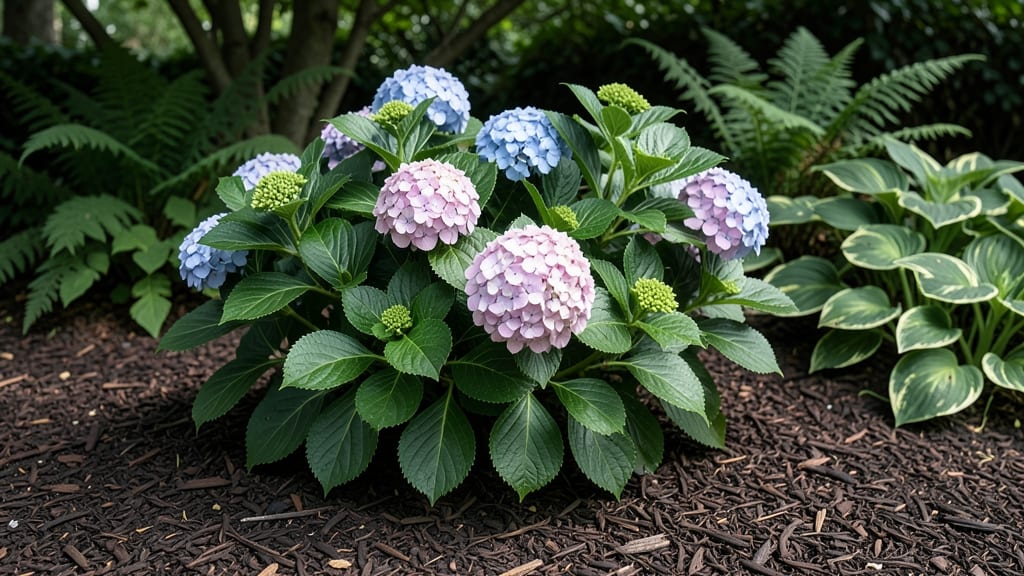
Hydrangeas can grow in full shade 🌸, and they often thrive where other plants struggle—no direct sunlight required.
Struggling to keep your hydrangeas alive in a shady backyard? You’re not alone—many gardeners assume these showstopping blooms need full sun. But the truth is, some hydrangeas love the shade, producing lush foliage and stunning flowers without a single ray of direct sunlight.
In fact, varieties like Hydrangea macrophylla and Hydrangea quercifolia (Oakleaf) actually prefer shade, especially in hot climates where too much sun can scorch their leaves. The key is choosing the right type and giving them the right care—think moist, well-draining soil and the occasional feed to keep them blooming.
Below, I’ll break down the 5 best shade-tolerant hydrangeas, how to avoid common pitfalls like leggy growth, and the simple tricks to keep your plants happy—even in the darkest corners of your garden.


5 Best Hydrangea varieties that thrive in full shade
If you’ve ever wondered, can hydrangeas grow in full shade, the answer is a resounding yes—for the right varieties! While many hydrangeas crave sunlight, some types not only tolerate but thrive in deep shade, producing vibrant blooms and lush foliage.
The key lies in selecting shade-adapted cultivars like Oakleaf and Mountain hydrangeas, which excel where others struggle.
These shade-loving hydrangeas often outperform sun-dependent types by focusing energy on foliage growth and root development rather than struggling to produce flowers. Their secret? Adaptations like larger leaves for photosynthesis and deeper root systems to access moisture in low-light conditions.
Let’s explore the top 5 hydrangea varieties that turn shady spots into stunning garden focal points.
Comparison Table: Best Hydrangeas for Full Shade
The Oakleaf hydrangea (Hydrangea quercifolia) is my top pick for full shade, thanks to its glossy, oak-shaped leaves and stunning seasonal color shifts. Native to the southeastern U.S., it thrives in deep shade gardens where other hydrangeas wilt.
Its blooms start white and fade to pink, adding a soft contrast to dark corners. Plus, its fall foliage turns fiery red or purple, extending its seasonal appeal.
Bigleaf hydrangeas like 'Nikko Blue' are another shade superstar, though they prefer partial shade with morning sun. In full shade, their blooms may be slightly smaller but still vibrant and long-lasting. The secret to their success? Consistent moisture and acidic soil. I’ve seen 'Nikko Blue' produce deep blue flowers in shade that rival those grown in sun—proof that shade doesn’t limit their beauty.
For compact yet impactful blooms, try Mountain hydrangeas (H. serrata). These Japanese natives love humidity
How to grow hydrangeas in full shade: soil, water, and light secrets
Growing hydrangeas in full shade is absolutely possible—and often produces healthier plants than sun-exposed varieties. The key lies in understanding their soil needs, watering habits, and how to compensate for low light.
Unlike sun-loving varieties, shade-grown hydrangeas prioritize foliage over flowers, but with the right care, you’ll still get stunning blooms.
Shade-loving hydrangeas like Oakleaf and Mountain hydrangeas thrive where others fail. They’re perfect for woodland gardens, north-facing patios, or under tall trees. The trick? Mimic their natural understory habitat with moist, acidic soil and consistent moisture. Let’s break down the secrets to success.
⚠️ Can Hydrangeas Grow in Full Shade?
Yes, but with critical adjustments. While they’ll survive in full shade, expect smaller blooms and leggy growth if you ignore these rules:
- ❌ Overwatering causes root rot in compacted shade soil.
- ❌ Alkaline soil locks out iron, turning leaves yellow.
- ❌ No mulch lets soil dry out too quickly in shade.
Pro Tip: Test soil pH (aim for 5.0-6.0) and amend with peat moss or sulfur if needed.
Start with well-draining soil mixed with organic matter like compost or leaf mold. Hydrangeas hate soggy roots, so amend heavy clay with perlite or sand if your yard retains moisture. For containers, use a peat-based potting mix with 20% perlite to prevent compaction.
Watering is where most gardeners fail. Shade-grown hydrangeas need consistent moisture—about 1-2 inches per week. Let the top 2 inches of soil dry between waterings, but never let them wilt. Morning watering prevents fungal issues, and mulch heavily (3-4 inches) to retain humidity.
Potted hydrangeas dry out faster—check soil daily in summer.
Light is the biggest challenge, but you can trick hydrangeas into blooming better. If your shade is deep and dark (like under evergreens), prune nearby branches to let in filtered light.
For container growers, rotate pots seasonally to ensure even light exposure. Avoid south-facing shade—it’s often just hot, reflected heat, which stresses plants.
Fertilize lightly in spring with a balanced 10-10-10 formula, then switch to acid-loving plant food (like Miracle-Gro Azalea) in summer. Over-fertilizing in shade leads to weak stems and fewer blooms.
Prune in late winter to shape the plant and remove dead wood—never prune after June, or you’ll sacrifice next year’s flowers.
With these adjustments, your shade hydrangeas will reward you with vibrant foliage and surprisingly robust blooms. The secret? Treat them like woodland understory plants—moist, cool, and protected from harsh conditions. 🌿