
Light Requirements
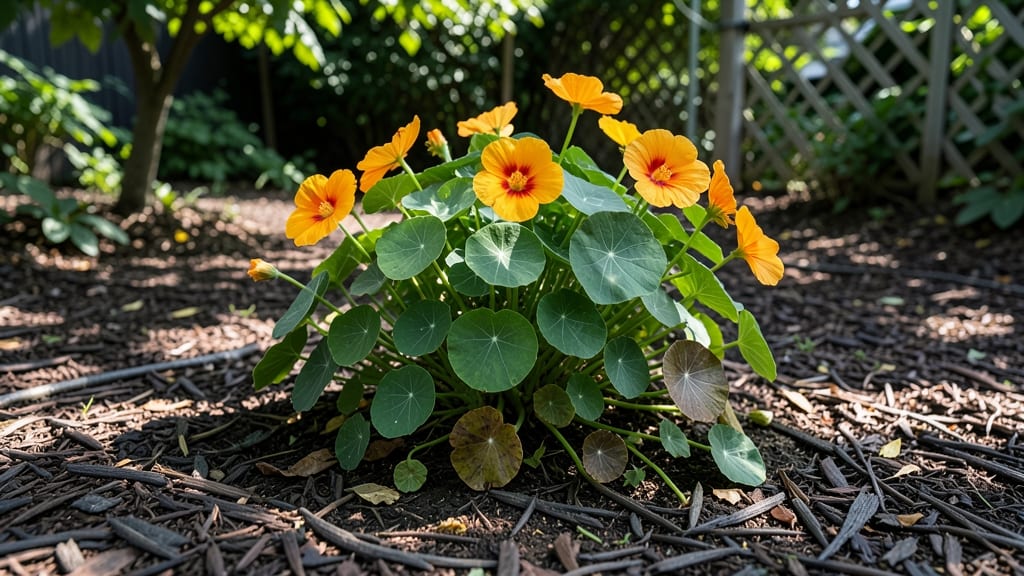
Nasturtiums can grow in shade, though they’ll need the right conditions to shine 🌸—think of them as the underdog of the garden that still delivers bold color and edible blooms.
If you’ve ever dreamed of growing vibrant nasturtiums but assumed they needed full sun, think again—these edible blooms can thrive in shade too, with the right approach. The key is understanding how much shade they can handle before growth slows or flowers fade.
In partial shade (4–6 hours of filtered light daily), nasturtiums will reward you with lush foliage and occasional blooms, while deeper shade may stunt their growth. But don’t let that stop you—with a few simple adjustments, you can coax even low-light spots into producing edible, ornamental powerhouses.
Below, I’ll break down how to maximize their shade tolerance, from soil prep to companion planting, so you can enjoy bright flowers and peppery leaves—even in the shadiest corner of your garden.


How much shade can nasturtiums tolerate before struggling?
Nasturtiums are famously hardy, but their love for sunlight often leads gardeners to assume they’ll fail in shady spots. The truth? These edible blooms can handle partial shade surprisingly well, though their performance depends on how much shade you provide.
While they thrive in full sun (6+ hours daily), they’ll still grow in 3-4 hours of light—just with some trade-offs in bloom size and vigor. The key lies in understanding their photosynthesis efficiency and how leaf color signals their needs.
In my own shady backyard garden, I’ve grown nasturtiums under dappled shade from oak trees and noticed they produced smaller but edible flowers compared to their sun-loving cousins. The difference?
Their leaves stayed darker green and more compact, while sun-grown plants stretched taller with brighter blooms. This proves nasturtiums adapt—but not without telling you what they need through their foliage.
Here’s the critical threshold: nasturtiums begin struggling when they receive less than 3 hours of direct light daily. Below this, their growth slows dramatically, and they may produce fewer flowers or develop pale, leggy stems.
The good news? They’re far more forgiving than sun-loving plants like tomatoes or peppers. With the right care, you can coax healthy nasturtiums in shade—even in deep shade gardens with creative adjustments.
| Light Condition | Daily Sun Hours | Growth Result | Leaf Color | Bloom Quality | Care Adjustments |
|---|---|---|---|---|---|
| Full Sun | 6+ hours | Vigorous, bushy | Bright green | Abundant, large | Standard care |
| Partial Shade | 3-4 hours | Moderate, compact | Darker green | Smaller, fewer | Enrich soil, prune leggy stems |
| Light Shade | 2-3 hours | Slow growth | Pale green/yellow | Very few blooms | Use reflective surfaces, fertilize |
| Deep Shade | <1-2 hours | Leggy, weak | Yellowing | Almost none | Move to brighter spot or container |
Pay close attention to your nasturtiums’ leaf color—it’s their way of communicating. Bright green leaves mean they’re happy with their light, while yellowing or pale foliage signals low-light stress.
In my experience, nasturtiums grown in partial shade often develop darker green leaves as a natural adaptation to capture more light. This isn’t a problem—it’s their survival strategy! However, if leaves turn yellow with brown edges, they’re begging for more light or better soil nutrients.
The science behind this lies in photosynthesis efficiency. Nasturtiums, like all plants, rely on chlorophyll to convert light into energy. In low-light conditions, their chlorophyll production increases to compensate, which is why their leaves darken.
However, this process slows down when light drops below 3 hours daily, leading to reduced energy production and weaker growth. That’s why I always recommend supplementing shade-grown nasturtiums with balanced fertilizer (like 5-10-10) to support their energy needs.
If your nasturtiums are in deep shade (like under dense trees), don’t give up yet. Try moving them to a container near a reflective surface, like a white wall or patio, to bounce extra light their way.
I’ve had success with this in my woodland garden, where nasturtiums in pots near the house wall produced more blooms than those buried in the shade. Another trick? Plant them near taller, sun-loving companions that won’t
5 Proven tips to grow thriving nasturtiums in shade
Growing nasturtiums in shade is absolutely possible—you just need to tweak a few key elements. These hardy plants adapt surprisingly well when given the right conditions, especially in partial shade gardens where they receive filtered light. The secret lies in understanding their light needs and compensating with other growth factors.
From my own experiments, I’ve found that nasturtiums reward patience when grown in shade. While they’ll produce fewer blooms than sun-loving varieties, the edible flowers and lush foliage remain vibrant with proper care. Let’s explore five practical strategies to maximize their success in low-light conditions.
🌱 5 Proven Tips for Shade-Grown Nasturtiums
- 🌿 Enrich soil with compost and aged manure to boost nutrients
- 🌳 Plant near tall companion plants like sunflowers for dappled light
- ✂️ Prune leggy stems to redirect energy to leafy growth and bushier plants
- 🪴 Use containers with well-draining mix for better root aeration
- 🌡️ Adjust watering—shade plants need more consistent moisture than sun-exposed ones
First, focus on soil quality—nasturtiums in shade need nutrient-rich soil to compensate for reduced photosynthesis. I always mix in composted organic matter and a handful of worm castings before planting. This gives roots the energy they need to produce healthy foliage and some flowers even in dimmer spots.
Next, consider companion planting. Nasturtiums pair beautifully with tall sun-loving plants like corn or sunflowers, which create natural shade patterns. This dappled light effect mimics their ideal growing conditions while protecting them from harsh afternoon sun if they get too much.
For container gardening, choose pots with drainage holes and fill them with a lightweight potting mix blended with perlite. I’ve had great success with 5-gallon fabric grow bags—they retain moisture while preventing root rot.
Place containers near east-facing windows or under tree canopies where they’ll catch gentle morning light.
Don’t forget to prune regularly. In shade, nasturtiums tend to grow leggy as they stretch toward any available light. I pinch back the longest stems every 2-3 weeks to encourage bushier growth. This also prevents the plants from becoming top-heavy and flopping over.
Finally, adjust your watering schedule—shade-grown nasturtiums dry out more slowly than sun-exposed ones. I check soil moisture daily in containers and water when the top inch feels dry. For in-ground plants, a 2-inch mulch layer helps retain moisture while keeping roots cool.