
Light Requirements
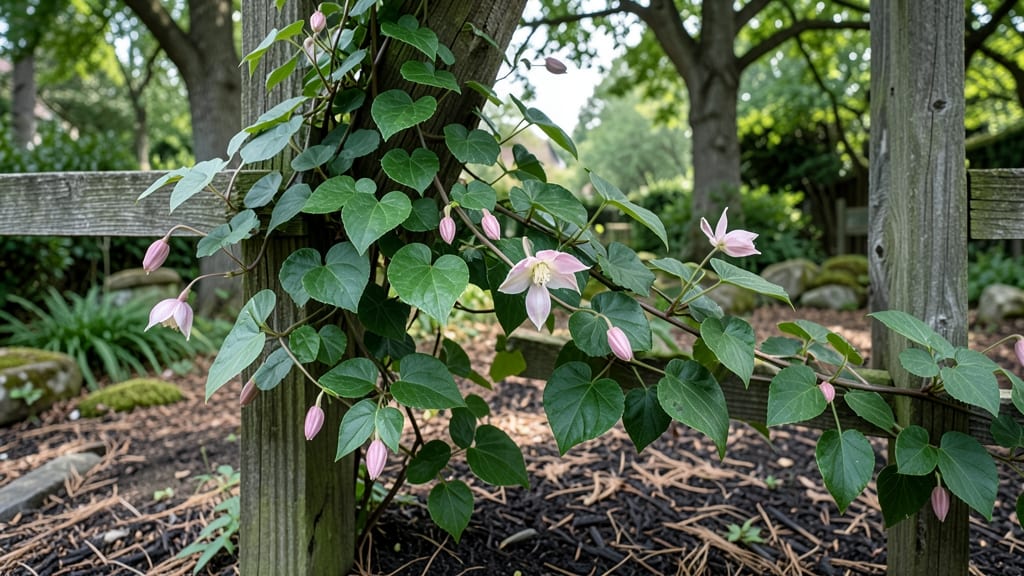
Growing clematis in full shade isn't just possible—it's where some varieties truly shine. 🌿 I've watched my shade-loving clematis climb a trellis under a maple tree, its dark green leaves unfurling while others wither in bright sun.
The key lies in choosing the right cultivars and giving them the perfect growing conditions. Most gardeners assume clematis need full sun, but varieties like 'Jackmanii' and 'Nelly Moser' thrive with just morning light or dappled shade. The secret is rich, moist soil that stays consistently damp but never soggy.
A thick layer of mulch helps retain moisture while protecting roots from temperature swings. You'll be rewarded with lush vines that climb effortlessly and produce blooms that last from early summer through fall.
The foliage stays vibrant even in low light, and you avoid the common problem of scorched leaves that plague sun-loving varieties. Here's the game-changer: prune these shade varieties lightly in early spring, removing only dead wood.
The plants focus energy on climbing and flowering rather than compensating for poor light conditions. Let's get those vines growing!
📚 In This Guide
- What you need
- Instructions
- Tips and common mistakes
- Wrapping up and next steps
What you need
- ● Clematis plants: Choose full-shade-tolerant varieties like Clematis montana (e.g., ‘Freckles’), Clematis armandii (e.g., ‘Apple Blossom’), or Clematis viticella (e.g., ‘Niobe’). Quantity: 1–3 plants per 4–6 sq. ft. of space.
- ● Well-draining soil: Mix 50% native soil + 30% compost + 20% perlite or coarse sand (for aeration). pH: Aim for 6.0–7.0.
- ● Support structure: Trellis or obelisk: 6–8 ft. tall (for vining varieties).
- ● Arbor or fence: For sprawling types like Clematis montana.
- ● Mulch: 2–3 inches of organic mulch (e.g., shredded bark or pine needles) to retain moisture and regulate soil temp.
- ● Slow-release fertilizer: Balanced 10-10-10 or organic options (e.g., fish emulsion) for a spring boost.
- ● Drip irrigation or soaker hose: For consistent moisture (especially in hot, dry shade).
- ● Pruning shears: Bypass pruners (sharp and clean) for post-bloom maintenance.
- ● Shade cloth (30–50% coverage): If your shade is too intense (e.g., dense tree canopy), use this temporarily to acclimate plants.
How to grow clematis successfully in full shade
Here's the method I've used to keep clematis thriving where others fail—using the right varieties and care techniques.
🌱 Step 1: Select the Right Shade-Tolerant Varieties
Not all clematis can handle full shade, so choose proven performers like 'Jackmanii', 'Niobe', or 'Vyvyan Pennell'. These varieties tolerate lower light better than others. I always check the label for "partial shade" tolerance—it's the key to success in dimmer spots. Avoid sun-loving varieties like 'Nelly Moser' or 'Multiblue', as they'll struggle and produce fewer blooms.
Look for plants labeled as "Group 3" clematis—they naturally bloom later in the season and handle shade better. Buy established plants from a reputable nursery rather than starting from seed. Young plants already have the root strength to establish in shadier conditions.
☀️ Step 2: Prepare the Planting Site for Low-Light Success
Clematis need well-draining soil even in shade, so amend your site with 2-3 inches of compost mixed into the top 12 inches of soil. I avoid heavy clay soil—it stays too wet and suffocates roots. If your soil drains poorly, add 1 part perlite to every 3 parts soil to improve aeration.
Choose a location with dappled shade if possible—even a few hours of morning sun helps. If your yard is truly full shade, plant near a north-facing wall or fence, which reflects some light. Dig a hole twice as wide as the root ball but only as deep—clematis roots need to sit just below soil level, never buried deeper.
💧 Step 3: Plant with Proper Support and Mulch
Install a trellis or sturdy arbor before planting—clematis vines grow fast, and you don't want to disturb roots later. I use a 5-foot-tall obelisk for compact varieties and a 10-foot arbor for climbing types. Bury the support 6 inches deep and stake it firmly so it doesn't lean as the vine grows.
After planting, water deeply to settle the soil, then apply 2-3 inches of mulch (like shredded bark) around the base. Keep mulch 6 inches away from the stem to prevent rot. Water 2-3 times per week for the first month, then taper to once a week once established. Shade-loving clematis need consistent moisture but hate soggy roots.
🌿 Step 4: Feed and Prune for Shade Conditions
Use a balanced, slow-release fertilizer (10-10-10) in early spring to encourage strong foliage. I avoid high-nitrogen fertilizers—they promote leaf growth at the expense of blooms. Feed again in mid-summer with a low-nitrogen, high-phosphorus fertilizer (like 5-10-10) to support flowering.
Prune shade-grown clematis after blooming (late summer) rather than in early spring. Cut back one-third of the oldest stems to encourage new growth. Never remove more than one-third of the plant at once—this keeps energy flowing to the remaining vines. Watch for yellowing leaves, which usually means overwatering or poor drainage.
⏰ Step 5: Overwinter for Next Year's Blooms
Once temperatures drop below 30°F, protect the base of the plant with 4-6 inches of mulch. I wrap the crown with burlap for extra insulation in colder climates. Clematis are hardy, but shade-grown varieties need a little help surviving winter. Prune dead or damaged stems in early spring before new growth begins.
Watch for buds forming in late winter—this is your signal that the plant is healthy and ready for another season. If buds don't appear, check for pests like vine weevils or fungal issues like powdery mildew. Shade-loving clematis are resilient, but they still need proper care to thrive year after year.
Tips & tricks for thriving clematis in full shade
Real talk: Growing clematis in full shade takes extra attention to detail. These are the tricks I've learned after watching shade-grown plants struggle—and then thrive—when I got the specifics right.
Variety Selection Matters: The 'Jackmanii' and 'Niobe' varieties I mentioned are your best bet for full shade, but don't stop there. Look for labels that say "Group 3" clematis—they're bred to handle lower light better. I once planted a 'Multiblue' in shade by mistake, and it took three years to produce any blooms. That's why I double-check labels at the nursery before buying.
Soil Preparation is Non-Negotiable: That 2-3 inches of compost mixed into the top 12 inches of soil isn't just a suggestion—it's essential for drainage in shade. I've seen clematis roots rot in heavy clay soil because water just sits there. If your soil drains poorly, mix in perlite (1 part to 3 parts soil) to create air pockets. Think of it like giving your plant's roots a breath of fresh air.
Support Structure is Critical: Those 5-foot obelisks and 10-foot arbors I mentioned aren't just for looks—they're vital for guiding vine growth. I learned this the hard way when a vine grew unchecked and snapped under its own weight. Bury the support 6 inches deep and stake it firmly. This prevents leaning and gives your clematis something sturdy to climb as it grows.
Winter Protection is Key: When temperatures drop below 30°F, that 4-6 inches of mulch and burlap wrap becomes your plant's lifeline. I've seen shade-grown clematis survive winters just fine with this protection, but without it, the crown can freeze back. Watch for buds forming in late winter—they're your sign that the plant is healthy and ready for another growing season.
Pro Tips for Clematis Full Shade
- Real talk: Growing clematis in full shade takes extra attention to detail.
- Variety Selection Matters: The 'Jackmanii' and 'Niobe' varieties I mentioned are your best bet for full shade, but don't stop there.
- Soil Preparation is Non-Negotiable: That 2-3 inches of compost mixed into the top 12 inches of soil isn't just a suggestion—it's essential for drainage in shade.
Frequently asked questions
Got questions about growing clematis in full shade? You’re not alone!
Here are answers to the most common concerns—so you can cultivate stunning vines even in low-light spots.
Can clematis really thrive in full shade?
Yes! While most clematis prefer partial shade, some varieties (like Clematis montana or Clematis armandii) tolerate full shade. Choose evergreen or dark-leaved types for better success. Just ensure 6+ hours of dappled light if possible—full, dense shade may limit blooms.
How long does it take for clematis to grow in shade?
Patience is key! Clematis in shade grows slower than in sun, but with proper care, you’ll see foliage in 1–2 years and blooms in 2–3 years. Focus on rich, moist soil and regular pruning to encourage healthy growth.
What’s the best soil mix for shade-loving clematis?
Shade-loving clematis crave well-draining, nutrient-rich soil. Mix compost, peat moss, and perlite into native soil to improve aeration. Add a slow-release fertilizer in spring for extra vigor. Avoid soggy soil—root rot is a common issue!
Why isn’t my shade clematis blooming?
Low light, over-pruning, or poor nutrition can stunt blooms. Try:
- Moving to partial shade (morning sun helps!)
- Fertilizing with high-phosphorus food (like bone meal)
- Pruning after flowering (not in late winter)
Are there non-flowering clematis options for full shade?
If blooms aren’t your goal, try:
- Clematis terniflora (fragrant, fast-growing foliage)
- Clematis montana ‘Freckles’ (variegated leaves, minimal light needs)
- Clematis armandii (evergreen, drought-tolerant)
Wrapping up and next steps
Growing clematis in full shade may seem like a challenge, but with the right varieties and care, you can create a lush, thriving garden spot even in low-light areas.
From the elegant Clematis montana to the hardy Clematis armandii, these plants prove that shade doesn’t have to limit your gardening dreams. 🌿
Ready to bring these stunning climbers to your garden? Start by selecting the perfect variety for your space, then give them the support and care they deserve. With a little patience, your shaded corner will bloom into a vibrant focal point! Happy gardening! 🌸