
Shrubs
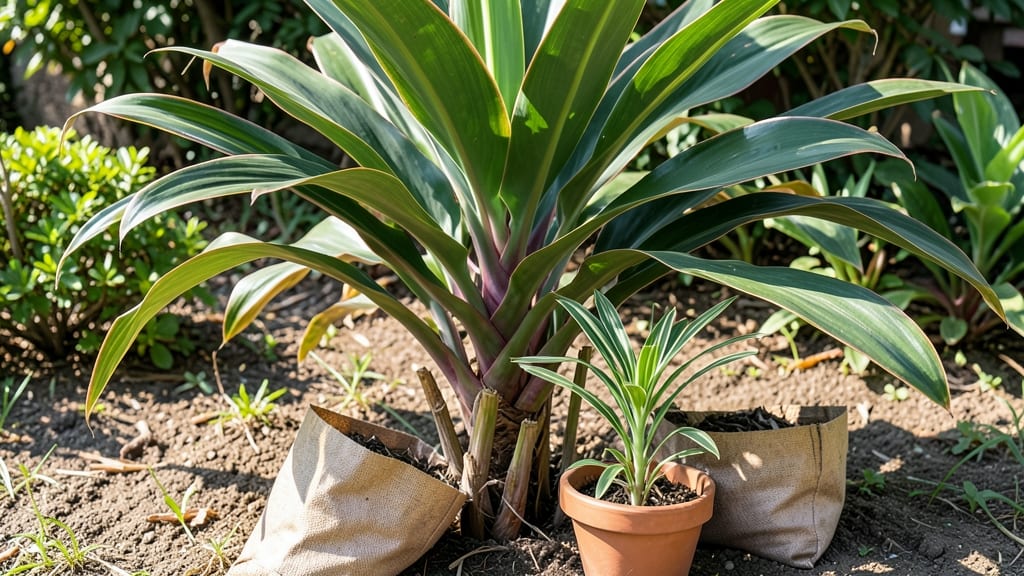
Deciding whether your cordyline thrives in sun or shade is the key to unlocking its boldest foliage—because the wrong spot can turn vibrant leaves into sad, yellowing scraps.
Picture this: your cordyline 🌿—that striking, architectural plant—sitting in a spot that’s either too harsh or too dim, struggling to show off its true colors. The truth?
Some varieties crave full sun, while others prefer shade, and mixing them up can mean the difference between a showstopper and a sad, leggy shadow.
In this guide, we’ll break down which cordyline types love the sun (like ‘Red Flame’), which thrive in shade (like ‘Alba’), and how to tell if your plant is begging for more—or less—light.
You’ll also learn how to transition your cordyline between sun and shade without shocking its roots, plus the subtle signs (like leaf color shifts) that reveal whether you’ve got the lighting just right.
 Best Window Placement
Sun-loving cordyline varieties: best picks for full light exposure
If you're dreaming of vibrant cordyline plants that thrive under the sun's brightest rays, you're in luck! While many varieties prefer partial shade, some stunning cultivars flourish in full sun—just with a few extra care tweaks.
The key is choosing the right sun-loving varieties and adjusting their environment to prevent leaf scorching or drought stress. Let’s explore the top picks and how to keep them thriving.
For full sun exposure (6+ hours daily), focus on tropical cordyline varieties like Cordyline fruticosa ‘Red Flame’, which boasts fiery red and orange foliage that intensifies in bright light. Other standouts include ‘Torbay Dazzler’ and ‘Blue Dazzler’, both prized for their bold, sun-enhanced colors.
These varieties aren’t just pretty—they’re drought-tolerant once established, making them ideal for low-maintenance sunny gardens.
⚠️ CRITICAL NOTE: Even sun-loving cordylines need protection from harsh afternoon sun in hot climates. Without it, leaves can develop brown, crispy edges or bleached patches. We’ll cover how to avoid this later.
To keep your sun-loving cordylines happy, start with well-draining soil mixed with organic compost to retain moisture without waterlogging. These plants hate soggy roots, so amend clay soil with perlite or sand if needed. For container gardening, use pots with drainage holes and a fast-draining potting mix.
Watering is where many gardeners go wrong. While full-sun cordylines need more frequent watering than shade varieties, they detest soggy conditions. Aim for deep watering 2–3 times per week during hot, dry spells, then reduce to once weekly once established.
Always water at the base of the plant to avoid wetting leaves, which can lead to fungal issues.
Humidity plays a surprising role in sun care. In arid climates, increase humidity around your cordylines by grouping plants together or using a pebble tray beneath pots. This mimics their tropical origins and prevents leaf edges from drying out.
A light morning misting can also help, but avoid evening watering to prevent overnight fungal growth.
Watch for signs of sun stress, like yellowing leaves or brown tips. If you notice these, your plant may need afternoon shade or more frequent watering. Prune affected leaves to encourage new growth and move the plant gradually to a slightly shadier spot if needed.
With the right care, your sun-loving cordylines will reward you with year-round color and minimal fuss.
Pro tip: Fertilize in spring with a balanced 10-10-10 fertilizer to boost growth, then switch to a low-nitrogen formula in summer
Shade-tolerant cordylines: low-light varieties for indoor or filtered sun
If your cordyline is struggling to thrive in bright light, don’t worry—there are stunning varieties that flourish in low-light conditions. Cordyline australis ‘Alba’ and ‘Purple Haze’ are perfect for indoor spaces or filtered sunlight, offering vibrant foliage without the need for harsh sun exposure.
These shade-tolerant types can even handle artificial grow lights if natural light is limited.
For indoor gardening, Cordyline ‘White Surprise’ stands out with its creamy-white variegation, making it a showstopper in living rooms or offices. These varieties thrive with just 2–4 hours of indirect sunlight daily, making them ideal for north-facing windows or shaded patios.
Their adaptability means you can grow them year-round indoors without worrying about seasonal light changes.
Shade-Tolerant Cordylines: Pros & Cons
- ✅ Thrives in 2–4 hours of indirect light
- ✅ Perfect for indoor spaces with no direct sun
- ✅ Low-maintenance once established
- ✅ Vibrant foliage year-round
- ❌ Leggy growth if light is too low
- ❌ May need supplemental grow lights for optimal color
- ❌ Slower growth than sun-loving varieties
- ❌ Yellowing leaves if overwatered in shade
When growing shade-tolerant cordylines, watch for yellowing leaves—this often signals overwatering or insufficient light. If your plant starts looking leggy or sparse, it’s time to supplement with a LED grow light for 6–8 hours daily.
Place it 12–18 inches above the plant to mimic natural sunlight without scorching the foliage.
For outdoor shade gardens, Cordyline ‘Purple Haze’ adds dramatic deep purple and burgundy hues to partial-shade areas. Pair it with hostas or ferns for a lush, layered look.
Just ensure the soil stays well-draining—these plants hate soggy roots, even in shade. A mulch layer of 2–3 inches helps retain moisture while preventing root rot.
If your cordyline’s leaves start turning brown at the tips, it’s likely due to low humidity in indoor settings. Increase moisture by placing the pot on a pebble tray with water or using a humidifier nearby.
Mist the leaves lightly in the morning to mimic natural dew and keep foliage vibrant. With the right care, your shade-loving cordyline will reward you with bold, healthy growth for years.
Remember, even shade-tolerant varieties appreciate a monthly fertilizer boost during growing seasons. Use a balanced 10-10-10 formula diluted to half-strength to avoid burning delicate roots. This keeps your cordyline lush and colorful without the stress of harsh sunlight.