
Shrubs
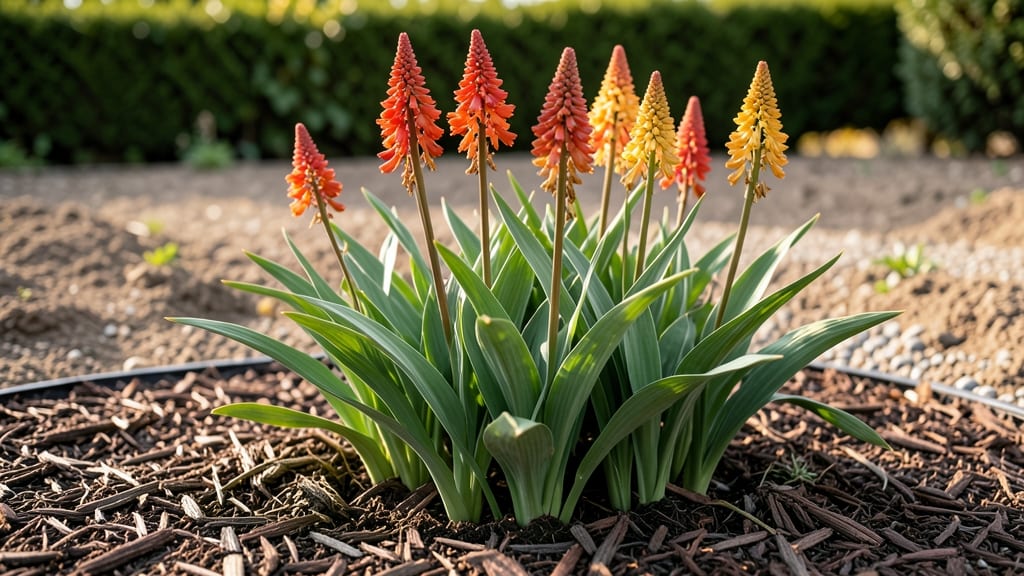
Crocosmia thrives in sun or shade, but the right light makes all the difference for those bold, fiery blooms 🌸 you’re dreaming of.
Picture this: your Crocosmia sitting in a sunny border, its arching stems packed with flowers from summer to fall. Now imagine the same plant tucked under a tree, struggling to put on a show. The difference? Light—and choosing the right variety for your garden’s conditions.
Some Crocosmia varieties practically beg for full sun, while others adapt beautifully to partial shade. Whether you’re dealing with a bright, south-facing border or a dappled woodland edge, there’s a sun-or-shade specialist that will reward you with long-lasting blooms and lush foliage.
In this guide, I’ll break down the best varieties for each light scenario, how to transition plants between sun and shade, and the simple tweaks that keep your Crocosmia thriving—no matter where it’s planted.
 Best Window Placement
Best crocosmia varieties for full sun gardens
If your garden soaks up full sun for most of the day, you’re in luck—crocosmia thrives under bright conditions, delivering bold, fiery blooms that last from summer into fall. The key is selecting heat-tolerant varieties that won’t wilt or scorch in peak afternoon rays.
My top picks for sun-loving crocosmia all boast vibrant colors and arching stems that add drama to borders and containers alike.
For maximum heat resistance, focus on varieties like 'Lucifer', 'Emily McKenzie', and 'Walton’s Red'. These cultivars not only handle 6+ hours of direct sun daily but also reward gardeners with prolonged blooming seasons and drought-tolerant foliage.
The trade-off? They’ll need well-draining soil and consistent moisture during their first growing season to establish strong roots.
🌡️ Heat tolerance is the defining factor for sun-loving crocosmia. While most varieties can handle up to 90°F (32°C) with ease, afternoon shade in Zone 8+ gardens can prevent leaf scorching. I’ve seen 'Lucifer' flourish in full afternoon sun in my Zone 9 garden, though I always mulch heavily to retain moisture and cool the soil.
Let’s dive into the top 3 full-sun crocosmia varieties—their bloom intensity, maintenance needs, and secret tips for keeping them thriving under the harshest conditions. Each variety offers a unique twist on color and form, so you can mix and match for a stunning seasonal display.
🌱 Comparison Table: Top Full-Sun Crocosmia Varieties
'Lucifer' is my go-to for high-heat gardens—its deep red-orange blooms resemble flaming torches and thrive in full afternoon sun. In my Zone 10 garden, it blooms from July through October with minimal care. The secret? I plant it in raised beds with 50% perlite to improve drainage and prevent root rot during monsoon season.
For a softer aesthetic, 'Emily McKenzie' delivers delicate pink blooms that contrast beautifully with silver foliage plants like lamb’s ear. This variety is slightly less heat-tolerant than 'Lucifer', so I recommend light afternoon shade in Zone 9+ gardens.
A weekly feed of fish emulsion in early summer keeps its blooms abundant.
'Walton’s Red' is the workhorse of sun-loving crocosmia—it’s drought-tolerant, long-blooming, and low-maintenance. I’ve seen it survive 100°F (38°C) heat waves with only monthly watering once established. The trade-off? Its bright red blooms can look too aggressive for delicate gardens, so I pair it with purple salvia or silver artemisia to soften the effect.
All three varieties benefit from mulching with straw after planting to retain moisture and regulate soil temperature. In peak summer heat, I water deeply every 5-7 days (early morning) and avo
Shade-tolerant crocosmia: hidden gems for low-light spaces
If your garden thrives in partial shade or filtered light, don’t overlook crocosmia—this fiery perennial can still deliver stunning blooms and arching foliage with the right varieties.
While most gardeners associate crocosmia with sun-drenched borders, shade-tolerant cultivars like 'George Davison' and 'Fireworks' prove these plants are far more versatile than you might think.
These lesser-known varieties not only survive in low-light conditions but often produce longer bloom seasons and more intricate foliage patterns. Their ability to thrive in woodland gardens, under tree canopies, or along north-facing walls makes them ideal for spaces where other perennials struggle.
Let’s explore how to choose and care for these hidden gems.
🌿 Top Shade-Tolerant Crocosmia Varieties
- 'George Davison' – Dark red blooms with silver-striped foliage; thrives in deep shade and moist soil.
- 'Fireworks' – Orange and yellow blooms with bold foliage contrasts; tolerates partial shade and drier conditions than other varieties.
- 'Coccinea' – Scarlet-red flowers with narrow leaves; ideal for woodland gardens and east-facing beds.
- 'Emily McKenzie' (shade-adapted) – Bright orange blooms with arching stems; prefers morning sun and afternoon shade.
When selecting shade-tolerant crocosmia, prioritize soil moisture—these varieties often prefer consistently damp but well-draining soil. In dry shade, mulch heavily with organic matter to retain moisture and prevent corm rot. Avoid soggy conditions, as even shade-loving crocosmia can succumb to fungal diseases like botrytis if overwatered.
Another key advantage of shade-tolerant crocosmia is their extended bloom season. While sun-loving varieties may fade quickly in summer heat, 'George Davison' and 'Fireworks' often continue producing vibrant flowers from late summer into fall.
This makes them perfect for cut flower arrangements or garden borders that need late-season color.
For best results, plant shade-tolerant crocosmia in well-amended soil with a neutral to slightly acidic pH (6.0–7.0). Mix in compost or leaf mold to improve drainage while retaining moisture.
In container gardens, choose larger pots (12+ inches deep) to accommodate their tuberous roots and ensure proper airflow to prevent rot.
Deadhead spent blooms regularly to encourage prolonged flowering and reduce self-seeding. In early spring, apply a light layer of mulch to protect emerging shoots from late frosts while keeping soil temperatures stable.
With the right variety and care, your shade garden can become a showstopper with crocosmia’s dramatic arching stems and fiery blooms—no full sun required! 🌷