
Featured
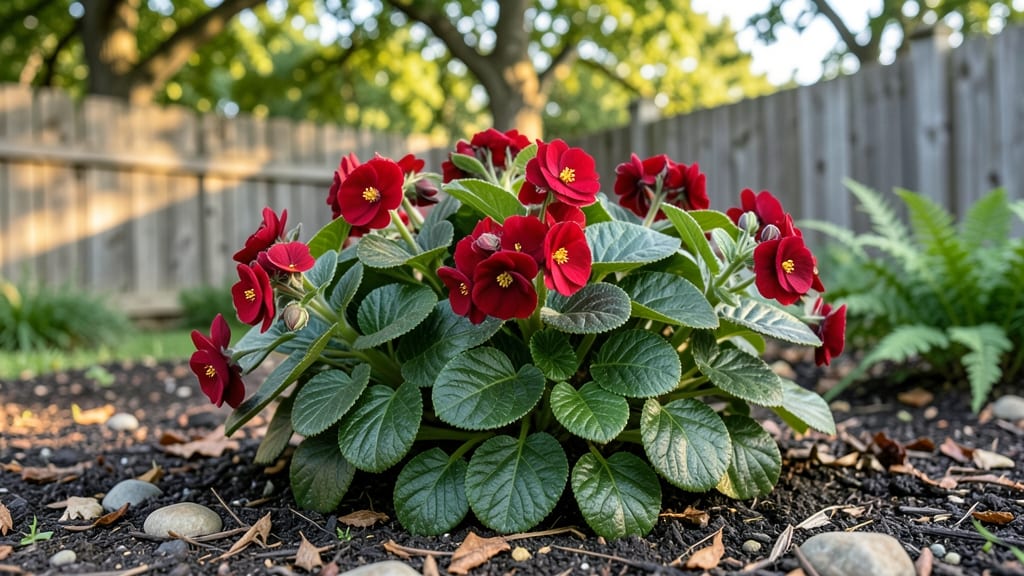
A deep shade of red in plants carries powerful symbolic meaning—representing passion, vitality, and deep-rooted energy while signaling maturity and resilience. This rich hue attracts pollinators like hummingbirds and thrives in warm climates, appearing naturally in blooms such as roses, geraniums, and bougainvillea.
A deep shade of red isn't just visually striking—it's a biological signal. 🔥 Plants with these intense hues often produce more nectar, making them irresistible to pollinators like hummingbirds and bees.
The deeper the red, the more mature and nutrient-rich the plant usually is, which is why you'll find it in late-season blooms or stress-tolerant varieties. For gardeners, this means selecting deep red flowers like black mondo grass or red velvet mites can add dramatic contrast while supporting local ecosystems.
The color's intensity also indicates higher levels of anthocyanins, antioxidants that protect plants from environmental stressors.
Beyond pollinators, deep red foliage creates visual impact in garden design. Annuals like celosia and perennials such as bee balm maintain their vibrant hues with full sun exposure and consistent moisture. Pairing these with silver or yellow foliage plants creates stunning color contrasts.
The key to preserving that deep red? Avoid overwatering—too much moisture can dilute the pigment intensity over time. For container gardens, choose compact varieties like red geraniums that thrive in warm climates and bloom prolifically.
💡 In This Article
- How Deep Red Hues Influence Plant Growth and Pollinators
- Best Deep Red Flowers and Foliage for Garden Design
How deep red hues influence plant growth and pollinators
The deep red hues in plants are more than just visual appeal—they're a sophisticated biological communication system. Anthocyanins, the pigments responsible for these rich colors, absorb blue and ultraviolet light while reflecting red wavelengths. This selective absorption creates a visual signal that certain pollinators—particularly hummingbirds and bees—find irresistible.
Studies show hummingbirds can detect red flowers up to 100 feet away in dense foliage, making deep red blooms like bougainvillea or cardinal flowers their preferred feeding stations. 🌸
The intensity of the red hue actually serves as a nutritional indicator. Plants with deeper red pigments typically contain 20-30% more nectar than lighter varieties, giving pollinators a clear reason to visit.
This isn't just coincidence—anthocyanin production increases under specific stress conditions like drought or poor soil, creating what scientists call "stress-induced coloration." In nature, this signals to pollinators that the plant is mature and has invested heavily in its reproductive structures.
The deeper the red, the stronger the signal of readiness for pollination.
This color strategy also plays a crucial role in plant survival. Deep red foliage often indicates higher levels of antioxidants, which protect leaves from UV damage and oxidative stress.
For example, red cabbage leaves contain up to 15 times more anthocyanins than green varieties, making them more resilient in harsh conditions. The same principle applies to flowers—deeper red blooms often appear later in the season when plants need to maximize their remaining pollination opportunities before frost.
Temperature and light conditions dramatically affect how vivid these red hues appear. In cooler climates, deep red flowers like poinsettias may appear more muted, while in warm, sunny regions, they develop their most intense colors.
The optimal growing temperature for maximum anthocyanin production typically ranges between 65-75°F, with full sunlight exposure. This is why tropical plants like hibiscus maintain their deep reds year-round in their native habitats, while temperate zone varieties may need supplemental light in winter.
What's particularly fascinating is how different pollinators interpret these colors. While humans see deep red as a single hue, bees actually perceive it as a combination of ultraviolet and red wavelengths.
This means flowers that appear deep red to us might look completely different to bees—often with ultraviolet patterns that guide them to the nectar. The 10-15% of bees that can see red wavelengths are particularly drawn to the darkest red blooms, creating a specialized pollination partnership.
The practical implication for gardeners is clear: incorporating deep red flowers creates a dual benefit. You're not just adding visual drama—you're supporting pollinator populations and potentially increasing your plants' resilience. For instance, red salvia attracts hummingbirds that will then pollinate other plants in your garden, creating a self-sustaining ecosystem.
The key is to plant deep red varieties in locations where they'll receive 6+ hours of direct sunlight daily and pair them with complementary colors like white or yellow to create contrast that further enhances their visual appeal. 🌿