
Light Requirements
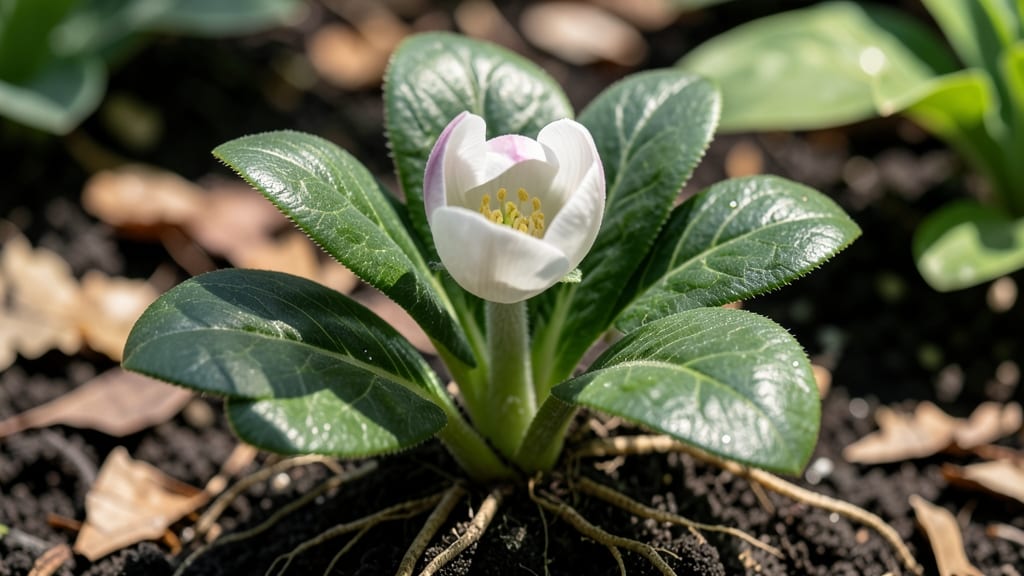
The deer-resistant part-shade perennials I’ve planted have saved my garden from becoming a deer buffet—finally, shade plants that thrive without turning into a snack. 🌿 The secret lies in their strong fragrance, fuzzy foliage, or toxic compounds that deer avoid, all while delivering stunning blooms and lush textures.
Think hostas with their broad, variegated leaves (though deer may still nibble young shoots), astilbes with feathery plumes that deer ignore, and lungwort with its silvery foliage and cheerful blooms.
These plants layer beautifully—tall astilbes in back, medium lungwort in the middle, and low hostas or foamflower up front—creating a living tapestry that deer can’t resist admiring from afar.
By summer, your garden will burst with color—purple coneflowers (deer-proof thanks to their milky sap), Japanese painted ferns with their delicate fronds, and coral bells in shades of pink, white, or silver.
The best part? These perennials spread over time, reducing maintenance while keeping deer from turning your shade garden into a salad bar.
For extra protection, add alliums or garlic chives nearby—their strong scent deters deer further. Layer these plants with heucheras for ground cover and bleeding hearts for early spring blooms, and you’ll have a part-shade garden that’s both beautiful and deer-resistant.
The key is variety and smart placement—no single plant is foolproof, but together, they create a fortress of foliage.
📚 In This Guide
- What you need
- Instructions
- Tips and common mistakes
- Wrapping up and next steps
What you need
- ● Deer-resistant perennial plants (5–10 plants, depending on garden size): Hosta (e.g., 'Halcyon' or 'Francee') – 3–5 plants
- ● Astilbe (e.g., 'Fanal' or 'Deutschland') – 3–5 plants
- ● Coral Bells (Heuchera) – 3–5 plants
- ● Lungwort (Pulmonaria) – 3–5 plants
- ● Bleeding Heart (Dicentra) – 2–3 plants
- ● Japanese Painted Fern (Athyrium) – 2–3 plants
- ● Organic mulch (2–3 bags): Shredded bark or wood chips (2–3 inches deep)
- ● Slow-release fertilizer (1 bag): 10-10-10 or balanced organic fertilizer
- ○ Compost (1–2 bags): For enriching soil (optional but recommended)
- ● Garden trowel or hand shovel – For digging small holes
- ● Garden fork or spade – For amending soil
- ● Pruners (bypass or anvil) – For trimming and shaping plants
- ● Garden gloves – To protect your hands (recommended!)
- ● Watering can or hose with adjustable nozzle – For gentle watering
- ● Measuring tape or ruler – To space plants correctly (12–18 inches apart)
- ○ Garden kneeler or pad (optional) – For comfort while planting
- ● Part-shade location: 3–6 hours of sunlight daily (dappled or filtered light)
- ● Well-draining soil: Amend clay or sandy soil with compost if needed
- ○ Deer deterrents (optional but helpful): Fencing (6+ feet tall) or plant-based repellents (e.g., garlic spray)
- ● Motion-activated sprinklers (for stubborn deer!)
How to design a deer-resistant part-shade perennial garden
Here's how I create a low-maintenance, deer-proof garden that thrives in partial shade and blooms reliably.
🌿 Step 1: Select the Right Deer-Resistant Perennials for Your Space
Focus on plants with strong fragrances, fuzzy foliage, or toxic compounds that deer avoid. My top choices for part shade include heuchera (coral bells), astilbe, hostas with bitter compounds, and ferns like ostrich or maidenhair. These plants grow well in 3-6 hours of filtered light daily and tolerate morning sun with afternoon shade.
I always check the mature size of each plant to avoid overcrowding. For example, astilbe spreads 18-24 inches wide while heuchera stays more compact at 12-18 inches. Planting them in odd-numbered groupings creates natural movement in the garden while preventing deer from easily browsing through the center.
🪴 Step 2: Prepare the Planting Area with Proper Soil Amendments
Test your soil first—part-shade gardens often suffer from compacted, nutrient-poor soil. I amend mine with 2-3 inches of compost mixed into the top 6-8 inches of soil. For clay-heavy areas, add 10% perlite or coarse sand to improve drainage, which is critical for preventing root rot in shade-loving plants.
Dig planting holes twice as wide as the root ball but only as deep. This encourages roots to spread outward rather than settling too deeply. Water each hole thoroughly before planting to help settle the soil and eliminate air pockets around the roots.
☀️ Step 3: Plant with Strategic Spacing and Layering
Arrange plants in layers based on height—tallest in the back, medium in the middle, and ground covers in front. I space astilbe and heuchera 18-24 inches apart while hostas and ferns get 12-18 inches of room. This creates a dense, deer-deterring barrier while allowing air circulation to prevent fungal diseases.
Mulch immediately after planting with 2-3 inches of shredded bark or leaf mold. This suppresses weeds, retains moisture, and protects roots from temperature swings. I avoid pine mulch—its acidity can harm some shade perennials over time.
💧 Step 4: Establish a Consistent Watering Routine
Newly planted perennials need 1 inch of water weekly during the first growing season. I water deeply 2-3 times per week rather than daily shallow watering, which encourages deep root growth. Use a rain gauge or tuna can to measure—eyeballing often leads to over- or under-watering.
After establishment, most of these perennials become drought-tolerant once their root systems mature. You'll know they're settled when you see new foliage growth in spring without wilting, even during dry spells. Reduce watering to 1 inch every 10-14 days once plants are fully established.
✂️ Step 5: Maintain with Seasonal Pruning and Deer Deterrents
Prune spent blooms in early spring to encourage new growth, but avoid cutting back ostrich ferns or astilbe until after they've finished flowering. I also apply a garlic-based deer repellent spray in early spring and again after blooming to reinforce their natural resistance.
For extra protection, I plant deer-repelling ground covers like creeping phlox or ajuga between perennials. The strong scent deters deer from even approaching. You'll know your garden is working when you see no browsing damage on young shoots by late spring.
Tips & tricks for perfect deer-resistant part-shade gardens
Here's what nobody tells you about creating a thriving shade garden that deer actually avoid.
Plant Selection Strategy: When choosing heuchera or hostas, prioritize varieties with fuzzy foliage or strong fragrances—deer are far less likely to nibble on plants with these characteristics. For example, heuchera 'Palace Purple' has velvety leaves that deer find unappealing, while hosta 'Blue Angel' contains natural compounds that deter browsing. The 3-6 hours of filtered light these plants need creates the perfect balance between shade tolerance and growth vigor.
Soil Preparation Secret: Before amending your soil with 2-3 inches of compost, conduct a simple pH test—most shade-loving perennials prefer slightly acidic to neutral soil (pH 6.0-7.0). If your soil is heavy clay, mix in 10% perlite to improve drainage while maintaining moisture retention. The key is creating a loose, well-aerated root zone that mimics the forest floor where these plants naturally thrive.
Layering Technique: When arranging your astilbe and heuchera in 18-24 inch spacing, think vertically as well. Place taller plants like ostrich ferns (which can reach 3-4 feet) at the back, medium-height astilbe in the middle, and low-growing hostas in front. This creates a natural barrier that deer find difficult to navigate through, while also maximizing visual impact.
Watering Wisdom: The 1 inch of water weekly guideline during the first season is crucial, but timing matters just as much. Water in the early morning to allow foliage to dry quickly, preventing fungal diseases that thrive in damp shade conditions. After establishment, you'll notice your perennials develop deeper root systems that make them remarkably drought-tolerant—this is when you can safely reduce to 1 inch every 10-14 days.
Pro Tips for Deer Resistant Part Shade Perennials
- Here's what nobody tells you about creating a thriving shade garden that deer actually avoid.
- Plant Selection Strategy: When choosing heuchera or hostas, prioritize varieties with fuzzy foliage or strong fragrances—deer are far less likely to nibble on plants with these characteristics.
- Soil Preparation Secret: Before amending your soil with 2-3 inches of compost, conduct a simple pH test—most shade-loving perennials prefer slightly acidic to neutral soil (pH 6.0-7.0).
Frequently asked questions
Got questions about deer-resistant part-shade perennials?
You’re not alone! Here are some of the most common concerns—and straightforward answers—to help you plan with confidence.
What are the top 3 deer-resistant perennials for part shade?
Start with Hellebores (Lenten rose), Astilbes, and Lungwort (Pulmonaria). These tough beauties thrive in partial shade, repel deer with strong fragrances or fuzzy foliage, and bloom reliably. Pro tip: Pair them with Lamium (dead nettle) for extra deer deterrence!
When is the best time to plant these perennials?
Plant in early spring or early fall for optimal root establishment. Avoid extreme heat or frost—deer-resistant perennials like Japanese Painted Fern or Coral Bells (Heuchera) appreciate a gentle transition. Bonus: Mulch after planting to retain moisture and fend off hungry deer!
Will deer eventually stop eating my part-shade plants?
Nope! Deer are persistent grazers, and part-shade perennials like Foxglove (Digitalis) or Bleeding Heart (Dicentra) are always at risk if left unprotected. Use physical barriers (like fencing or mesh) or deer repellents (spray or granules) for long-term defense.
Are there any deer-resistant annuals I can mix in for extra color?
Try Coleus (with its bold foliage), Sweet Alyssum (mildly deer-deterrent), or Snapdragons (less appealing than perennials). While not foolproof, these can add seasonal pops while distracting deer from your prized perennials.
What if my deer-resistant plants still get munched?
Don’t panic! Rotate your plantings—try Goat’s Beard (Aruncus) or Bugbane (Actaea) for variety. Pro move: Plant deer-repellent herbs like lavender or rosemary nearby; their scent confuses deer and deters nibbling.
Wrapping up and next steps
Transforming your part-shade garden into a deer-resistant paradise doesn’t have to be a challenge—it just takes the right plants and a little planning! 🌿 With the perennials highlighted here, you’ll enjoy stunning blooms, lush foliage, and peace of mind knowing deer will steer clear.
Ready to make your garden thrive? Start by sketching a simple layout, then pick 2-3 favorites to begin your planting journey this season.
🌱 Pro Tip:
- Mulch well to deter deer and retain moisture.
- Add companion plants like ferns or hellebores for extra protection.