
How To
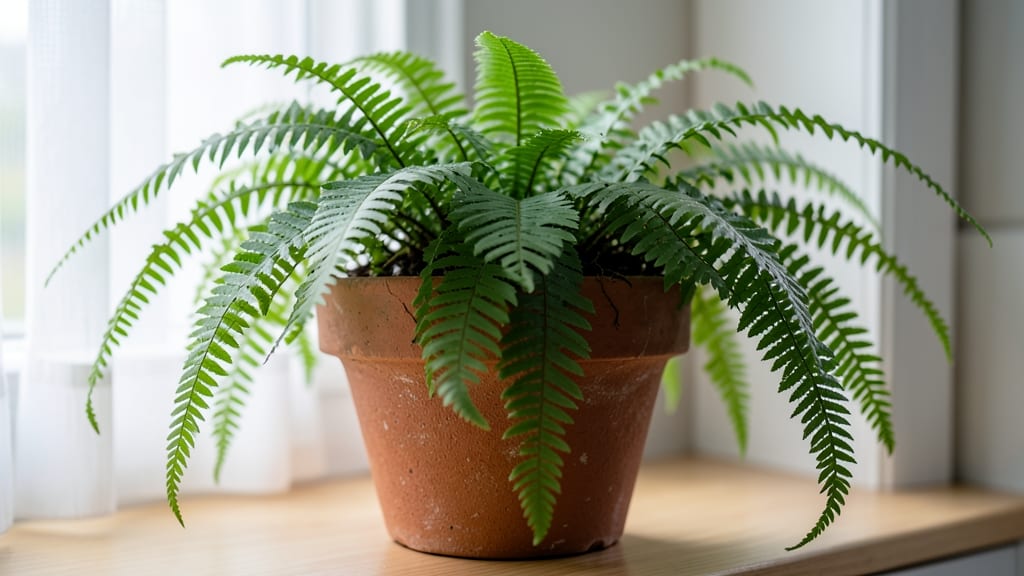
Wondering do Boston ferns like sun or shade, you’ll love knowing they flourish in shade, thriving in low-light spots where others falter. 🌿
Struggling to keep your Boston fern thriving? The battle between sun and shade might be the key to unlocking lush, vibrant growth—or the silent killer of your plant's health. Too much direct sunlight can scorch delicate fronds, while too little light leaves them sparse and weak.
The ideal balance is bright, indirect light, like what you'd find near a north-facing window or under a sheer curtain.
But what happens when your fern starts showing signs of stress? Brown fronds or slow growth often mean it’s getting too much sun, while pale or leggy fronds signal it needs more light.
Adjusting their environment—whether by moving them closer to a window or adding a sheer filter—can make all the difference in restoring that healthy, feathery look.
In this guide, you’ll learn how to identify the perfect light conditions for your Boston fern, how to adjust its environment for optimal health, and even which companion plants pair beautifully with it in shaded spaces. Let’s get your fern flourishing again!
 Best Window Placement
Boston fern light requirements: sun vs shade breakdown
If you've ever watched your Boston fern slowly turn crispy at the edges or droop despite your best care, light exposure is likely the culprit. These lush, feathery plants thrive in conditions that mimic their natural forest-floor habitat, where dappled sunlight filters through the canopy.
Too much direct sun can scorch their delicate fronds, while too little light leads to sparse, weak growth. Let's break down exactly how to balance sun vs shade for your Boston fern.
The key to happy Boston ferns lies in understanding their indirect light needs. These plants prefer environments with 30-50% shade, which translates to bright, filtered light—think of the glow under a tree rather than harsh midday sun.
In my own garden, I've learned that even a few hours of direct sunlight can cause brown leaf tips, while too little light results in fronds that stretch thinly toward any available light source.
Here's where many gardeners go wrong: assuming that "shade" means dark corners. Boston ferns need bright indirect light, not dimness. A north-facing window or a spot under a sheer curtain provides the perfect balance.
If you're placing your fern outdoors, morning sun with afternoon shade is ideal—this mimics the gentle light conditions of their native woodland environments.
🌿
One of the most common mistakes I see is assuming that shade automatically means low light. Boston ferns need bright, indirect light—similar to what you'd find under a tree canopy. If your fern starts developing yellow fronds or growing leggy stems, it's begging for more light.
Conversely, if the tips turn brown and crispy, you're giving it too much direct sun.
For indoor gardeners, positioning is everything. Place your Boston fern within 1-2 feet of a north-facing window for optimal conditions. If that's not possible, a south-facing window with a sheer curtain works well too.
I've had great success using reflective surfaces like white walls or mirrors to bounce extra light onto my ferns during winter months when natural light is scarce.
Outdoor gardeners should aim for morning sun with afternoon shade. In my own garden, I've planted Boston ferns under the dappled shade of Japanese maples, where they receive gentle sunlight throughout the day.
This setup prevents the harsh afternoon sun from damaging their delicate fronds while still providing enough light for vigorous growth.
🌳
If you notice your Boston fern developing brown leaf tips, it's a clear sign of too much direct sun. To fix this, move the plant to a shadier spot immediately and increase humidity around the plant—ferns love moisture.
On the other hand, if your fern's fronds are thinning out and growing pale and leggy, it needs more light. Gradually introduce brighter conditions over a week to avoid shocking the plant.
Remember that Boston ferns are not drought-tolerant, so proper watering is just as crucial as light management. When adjusting light conditions, also monitor soil moisture—drier conditions may require more frequent watering.
In my experience, the sweet spot is bright indirect light combined with consistently moist soil, which creates the perfect environment for these elegant plants to thrive.
💧
How to adjust light for Boston ferns in different environments
Boston ferns thrive in bright, indirect light, but their needs shift dramatically between indoor spaces, balconies, and outdoor gardens. Too much direct sunlight can scorch delicate fronds, while low light causes leggy growth and sparse foliage.
The key is creating a customized light environment that mimics their natural woodland habitat.
For indoor setups, I recommend placing your fern near a north-facing window where it receives 2-4 hours of filtered light daily. If your home lacks natural light, supplement with a grow light 12 inches above the plant for 6-8 hours per day.
Avoid south-facing windows, where harsh afternoon rays can damage leaves.
Outdoors, Boston ferns excel in dappled shade—think morning sun with afternoon shade or underneath deciduous trees. In hot climates, provide artificial shade using lightweight fabric screens or plant them near taller shrubs to filter sunlight. Even a 50% shade cloth can prevent leaf burn during peak summer hours.
⚠️ callout warning
Too much sun: Crispy, brown edge burn on fronds and yellowing tips.
Too little light: Pale, sparse fronds and long, weak stems reaching for light.
Solution: Rotate your fern quarter-turn weekly to ensure even growth. If indoors, move it closer to a window gradually to avoid shock.
Seasonal adjustments are critical. In spring and fall, Boston ferns can handle more light as temperatures moderate. But during summer’s intense heat, move potted ferns to a shadier spot or bring them indoors.
In winter, supplement with grow lights if natural light drops below 4 hours daily—this prevents dormancy and keeps growth steady.
For balcony gardens, use DIY light filters like sheer curtains or white lace curtains to diffuse sunlight. If growing in containers, place them on elevated shelves or hanging planters to elevate them above hot pavement while still capturing indirect light.
Grouping ferns with hostas or impatiens creates a natural microclimate that retains moisture and softens light intensity.
Pro tip: Mist your fern daily in low-light conditions to mimic humidity levels in their native environment. Pair this with weekly leaf wipes to remove dust, which blocks light absorption. With the right adjustments, your Boston fern will reward you with vibrant, lush fronds year-round!