
Shrubs
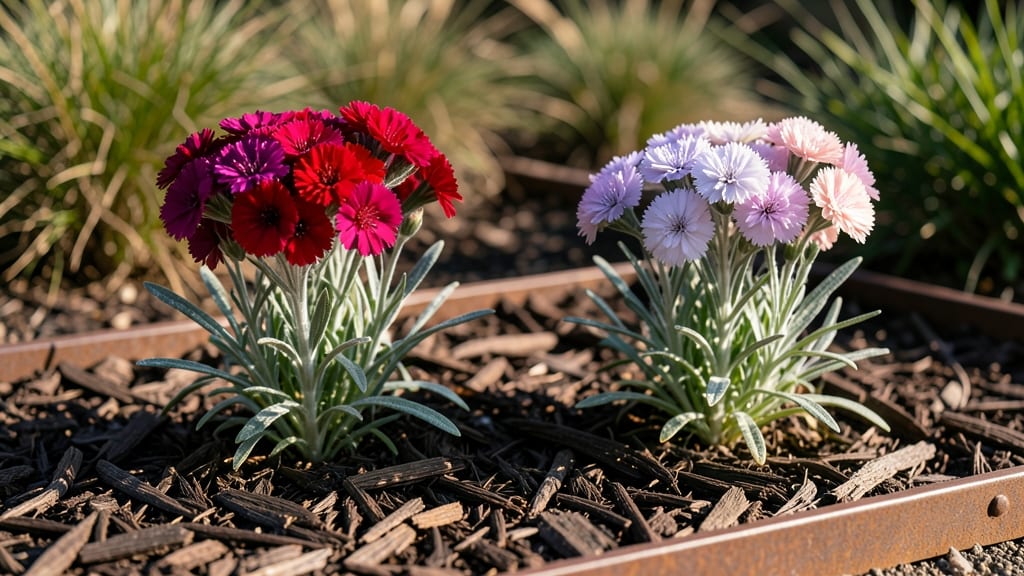
Dianthus thrives in sun or shade, but the right variety makes all the difference for bold blooms and intoxicating fragrance.
Picture this: your garden bursting with vibrant pinks, purples, and whites—but only if you match the plant to its perfect light spot. Too much sun scorchers delicate petals, while too little shade dulls their scent.
The solution? Choosing light-specific dianthus types that flourish where you plant them, whether it's a sunny border or a dappled woodland edge.
Sun-lovers like 'Firewitch' stand up to 6+ hours of direct light, while shade-tolerant 'Blackout' thrives with just 3-4 hours. We’ll break down the best picks for your space, plus how to adjust care—soil, water, even pruning—to keep them blooming from June through September.
Ready to grow dianthus that outperforms expectations? Let’s match your sunlight to the perfect fragrant, long-lasting variety.
 Best Window Placement
Best sun-loving dianthus varieties for full sun exposure
If your garden sizzles under 6+ hours of direct sunlight, you’ll want heat-tolerant dianthus varieties that thrive in these conditions. These sun-loving beauties not only survive but flourish with bold colors and intense fragrance, making them perfect for hot, dry climates or sunny borders.
The key is choosing varieties bred for full sun exposure while providing well-draining soil and minimal afternoon watering.
Sun-loving dianthus varieties like 'Firewitch' and 'Hot Papaya' boast vibrant, heat-resistant blooms that stay vibrant even under intense summer sun. Their drought tolerance makes them ideal for low-maintenance gardens, while their prolonged bloom seasons (from early summer to fall) ensure continuous color.
These varieties also emit a sweet, clove-like fragrance that intensifies in the heat, adding sensory appeal to your outdoor space.
| Variety | Bloom Color | Fragrance Intensity | Drought Tolerance | Mature Height |
|---|---|---|---|---|
| Firewitch | Red-Orange | Very Strong | High | 12-18 inches |
| Hot Papaya | Coral-Pink | Strong | Moderate | 10-14 inches |
| Mystic Tapestry | Deep Purple | Moderate | High | 15-18 inches |
| Illumination | Bright Yellow | Strong | Moderate | 12-16 inches |
| Scarlet Flame | Scarlet Red | Very Strong | High | 10-12 inches |
'Firewitch' stands out with its fiery red-orange blooms that thrive in full sun and repel deer, making it a favorite for cottage gardens. Its clove-scented flowers attract pollinators while its upright growth habit adds vertical interest. For longer bloom duration, pair it with 'Hot Papaya', which produces coral-pink flowers from mid-summer to frost with minimal care.
To maximize sun-loving dianthus performance, plant them in well-draining, sandy loam soil with a slightly alkaline pH (6.5-7.5). Amend heavy clay soils with compost or perlite to prevent root rot.
Water deeply but infrequently—aim for 1 inch of water per week—and avoid wetting foliage to reduce powdery mildew risk in hot, humid conditions.
For extended blooming seasons, deadhead spent flowers regularly to encourage new growth. In USDA Zones 5-9, these varieties often rebloom in fall if given consistent sunlight and light fertilization every 4-6 weeks during the growing season.
Mulch with gravel or coarse sand to retain moisture while improving drainage in intense heat.
If your garden faces afternoon sun intensity, consider providing light afternoon shade (especially in Zones 8-9) to prevent leaf scorch. Varieties like 'Mystic Tapestry' with deep purple blooms handle heat exceptionally well but benefit from morning sun and afternoon shade in extreme climates.
Their dark foliage contrasts beautifully with bright blooms, creating a striking visual impact.
For container gardening, choose compact sun-loving varieties like 'Scarlet Flame' or
Top shade-tolerant dianthus for partial sun or dappled light
If your garden receives only 3-6 hours of sunlight daily, don't despair—there are stunning shade-tolerant dianthus varieties that thrive in partial sun or dappled light conditions. These fragrant beauties adapt beautifully to woodland gardens, under trees, or north-facing borders while still delivering vibrant blooms.
The key is selecting the right cultivars and adjusting care slightly to match their moisture and light needs.
For cooler climates, these shade-friendly dianthus varieties often bloom longer into fall, extending your seasonal color. Varieties like 'Blackout' and 'Fire Spirit' are particularly resilient, offering dark foliage contrast and bold floral displays even with limited sunlight. Let's explore how to maximize their potential in low-light settings.
Shade-Tolerant Dianthus Varieties: Pros & Cons
✅ Pros
- 'Blackout' - Thrives in deep shade with dark foliage contrast
- 'Fire Spirit' - Heat-tolerant for 3-4 hours sun with red blooms
- 'Sutton's Pink' - Fragrant and drought-tolerant once established
- Longer bloom season in cooler climates with partial shade
- Deer-resistant - Ideal for low-maintenance gardens
❌ Cons
- Smaller blooms in low-light conditions compared to full sun
- Requires consistent moisture - Dries out faster in container gardens
- Prone to powdery mildew if airflow is poor in shade
- Less vibrant colors in deep shade settings
- Slower growth rate compared to full-sun varieties
The 'Blackout' variety stands out for its dark, almost black foliage that creates striking visual contrast with its pink or white blooms. This cultivar performs exceptionally well in 3 hours or less of sunlight, making it perfect for woodland gardens or areas under large trees.
To keep it thriving, ensure the soil remains consistently moist but well-draining—a mix of peat moss and perlite works wonders.
For slightly brighter conditions (4-6 hours of sun), 'Fire Spirit' delivers bold red blooms that pop against its silvery foliage. This variety handles dappled sunlight beautifully and often reblooms in late summer if you deadhead regularly.
Pair it with hostas or ferns for a lush, layered look in shadier spots.
Don't overlook 'Sutton's Pink', a classic fragrant dianthus that adapts well to partial shade. Its pink blooms release a clove-like scent that's perfect for cut flower arrangements.
To extend its blooming season in cooler climates, plant in early spring and protect with row covers during late frosts. This variety also benefits from a light spring feeding to encourage vigorous growth.
When growing shade-tolerant dianthus, avoid soggy soil—these plants hate wet feet. Amend your soil with sand or grit if it's naturally heavy, and water at the base rather than overhead to prevent fungal diseases.
In containers, use a fast-draining mix and water every 5-7 days, checking the top inch of soil for dryness before watering.
For extended blooming, deadhead spent flowers consistently and prune leggy growth in early spring. In USDA Zone 6a or colder, mulch with straw or shredded leaves to insulate roots during winter.
With the right care, your shade-loving dianthus will reward you with months of fragrant color—even in the shadiest corners of your garden.