
Shrubs
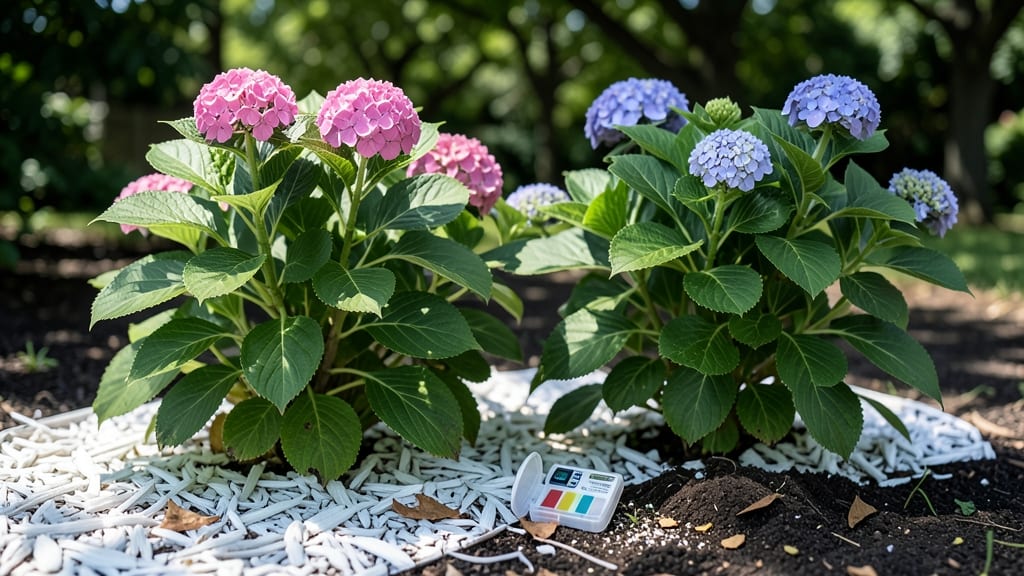
Growing a hydrangea perennial in the right mix of sun or shade is the secret to those showstopping blooms you’ve been dreaming of 🌸—but getting it wrong can leave you with sparse, sad flowers.
Picture this: You’ve spent hours picking out the perfect hydrangea, only to watch it struggle in your yard’s light. The good news?
Some varieties thrive in full sun, while others flourish in shade, and knowing which is which can mean the difference between a lush, colorful garden and a disappointment.
In this guide, I’ll break down the best hydrangea types for your garden’s light conditions—whether you’ve got a bright, sunny spot or a cozy, shaded corner.
You’ll learn how to match varieties to their ideal environment, plus pro tips for soil, water, and care to keep them blooming year after year.
Ready to turn your garden into a hydrangea haven? Let’s dive into the sun vs. shade showdown and pick the perfect plants for your space.
 Best Window Placement
Sun-loving hydrangea varieties that thrive in full light
If you're dreaming of vibrant hydrangea blooms that stand out in your garden, full-sun varieties are your best bet. While many hydrangeas prefer partial shade, Hydrangea paniculata and Hydrangea arborescens varieties actually thrive in direct sunlight, producing larger, more dramatic flowers.
These sun-lovers also handle heat better, making them perfect for hotter climates or south-facing garden spots.
Sun-loving hydrangeas need well-draining soil with a slightly acidic to neutral pH (6.0-7.0) to prevent root rot. Amend your soil with compost or organic matter before planting to ensure they get the nutrients they need for strong growth.
Unlike their shade-loving cousins, these varieties don’t require soil pH adjustments to change bloom colors—just focus on consistent moisture and full sun exposure for the best results.
Here’s the key: 6+ hours of direct sunlight daily is ideal, but even 4-6 hours will work in cooler climates. In USDA Zones 5-9, these hydrangeas become heat-tolerant powerhouses, blooming prolifically from mid-summer to early fall.
The trade-off? They may need more frequent watering during dry spells to keep their foliage lush and blooms abundant.
| Variety | Bloom Time | Color Range | Mature Height | Heat Tolerance |
|---|---|---|---|---|
| 'Limelight' (H. paniculata) | July–September | Green → Pink | 6–8 ft | Excellent |
| 'Little Lime' (H. paniculata) | July–September | Lime Green | 3–4 ft | Very High |
| 'Annabelle' (H. arborescens) | June–July | White | 3–5 ft | High |
| 'Grandiflora' (H. paniculata) | July–September | Pink → Deep Purple | 8–10 ft | Excellent |
| 'Incrediball' (H. arborescens) | June–July | White | 3–5 ft | Very High |
When it comes to pruning, sun-loving hydrangeas are low-maintenance. For Hydrangea paniculata varieties like 'Limelight' or 'Grandiflora', prune in late winter or early spring to remove dead wood and shape the plant.
These varieties bloom on new wood, so don’t worry about cutting back old stems—they’ll reward you with bold, late-season blooms. For Hydrangea arborescens like 'Annabelle', prune right after flowering to encourage a second flush of blooms.
One of my favorite sun-loving picks is 'Little Lime'—it’s compact, heat-tolerant, and turns vibrant lime green in full sun. Plant it in a south-facing border or near a patio where you can enjoy its cheerful color all summer long.
Just remember: mulch around the base to retain moisture and protect roots during heatwaves. A 2-3 inch layer of mulch will also suppress weeds and keep the soil cool.
For maximum impact, pair sun-loving hydrangeas with drought-tolerant perennials like lavender or Russian sage. These companions thrive in the same conditions and create a stunning, low-maintenance garden. Avoid planting them near shade-loving hydrangeas like Hydrangea macrophylla, as their light needs are completely opposite.
Instead, group them with other sun-seekers like butterfly bushes or coneflowers for a cohesive look.
If you’re in a hot, dry climate, consider drip irrigation to deliver water directly to the roots. Sun-loving hydrangeas need consistent moisture, especially during their blooming season.
A soaker hose or drip system ensures they get 1-1.5 inches of water per week, reducing the risk of wilting or bud drop. In cooler regions, you can water less frequently but still aim for deep, infrequent watering to encourage strong root growth.
Don’t let the idea of full-sun hydrangeas intimidate you—these varieties are hardier and more forgiving than you might think. With the right soil prep, pruning routine, and watering schedule, you’ll have show-stopping blooms that last well into fall.
Plus, they’re deer-resistant, making them a great choice for rural or suburban gardens alike.
Ready to try one? Start with 'Limelight' for a statement-making shrub or 'Little Lime' for a compact, cheerful addition. Your garden will thank you with months of color—and
Best shade-tolerant hydrangeas for low-light gardens
If your garden is tucked away under towering trees or shaded by structures, don’t despair—shade-loving hydrangeas can still deliver stunning blooms and lush foliage. The key is choosing the right varieties that thrive in partial to full shade, like Hydrangea macrophylla and Hydrangea quercifolia.
These beauties not only survive low-light conditions but often reward you with vibrant flowers and rich green leaves that outshine sun-starved competitors.
One of the biggest misconceptions is that shade hydrangeas require constant moisture or special soil tricks. While they do need consistent watering, the real secret lies in soil pH adjustments—lowering it turns blooms blue, while raising it shifts them to pink.
And yes, even in shade, these plants can reach mature heights of 3-8 feet, becoming the star of your garden’s darker corners.
🌿 Shade Hydrangea Care Essentials
Hydrangea macrophylla
Hydrangea quercifolia
1-1.5 inches/week
Morning watering
Partial shade (2-6 hrs sun)
Full shade (for hot climates)
Add aluminum sulfate
for blue blooms
Late winter/early spring
Remove dead wood
Overwatering
Yellow leaves = too much water
Let’s start with Hydrangea macrophylla, the classic "bigleaf" hydrangea, which is a shade champion.
Varieties like 'Nikko Blue' and 'Endless Summer' produce large, showy blooms in shades of blue, pink, or purple—depending on your soil’s pH. These plants are perennial workhorses, returning year after year with minimal fuss, as long as you keep the soil moist but well-draining.
A 2-3 inch layer of mulch will help retain moisture and protect roots from temperature swings.
For those who love textured foliage as much as flowers, Hydrangea quercifolia (oakleaf hydrangea) is a showstopper. Its deep green, lobed leaves turn fiery red in fall, and its cone-shaped blooms add vertical interest.
This variety handles full shade exceptionally well, making it perfect for understory plantings. Just be mindful of its moderate growth rate—it can take 2-3 years to reach its 6-10 foot mature height.
Now, let’s talk soil pH, the color-changing magic behind hydrangea blooms. To get blue flowers, aim for a soil pH of 5.5 or lower—add aluminum sulfate or peat moss to acidify.
For pink blooms, raise the pH to 6.0 or higher using lime or wood ash. Test your soil every 2-3 years to maintain your desired hue. And remember: shade hydrangeas are heavy feeders, so feed them balanced fertilizer (10-10-10) in early spring and midsummer.
One common mistake gardeners make is overwatering shade hydrangeas, thinking they need more moisture. Yellow leaves or drooping stems often signal root rot, not thirst. Instead, water deeply once a week (more in extreme heat) and always in the morning to prevent fungal issues.
If your garden has clay soil, amend it with compost or sand to improve drainage—waterlogged roots are a shade hydrangea’s worst enemy.
With the right variety, proper soil prep, and a little pH experimentation, your shade garden can burst with hydrangea color that rivals any sun-drenched border.
Whether you’re working with deep woodland shade or just a dappled-light spot, these shade-tolerant stars will thrive and reward you with season-long blooms. 🌸