
Orchid Care
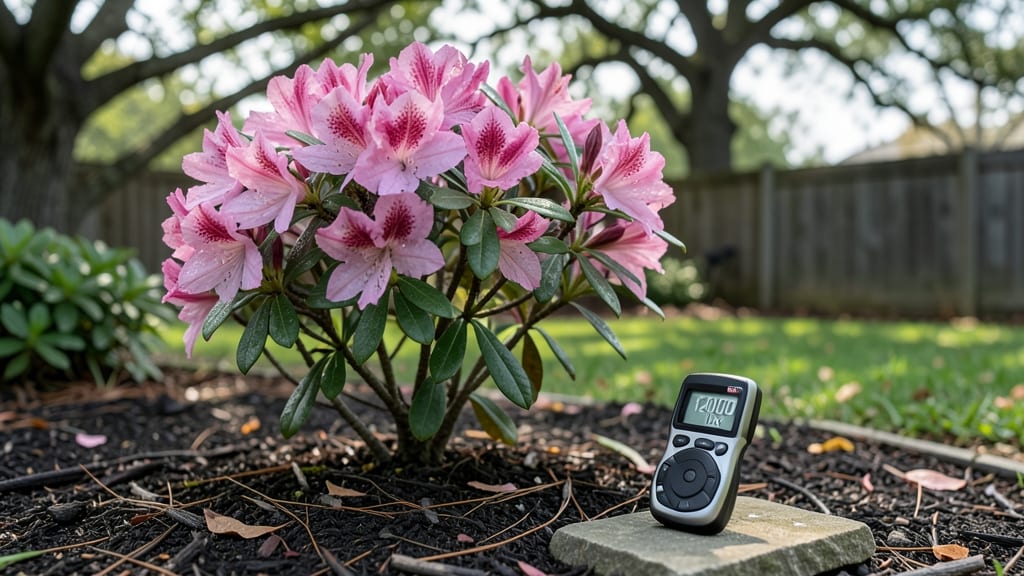
You’ve probably wondered: do azaleas need sun or shade—because the wrong balance can turn your vibrant blooms into a sad, leggy mess.
Struggling to keep your azaleas blooming year after year? The answer might lie in one simple factor: sunlight—or the lack of it. Get the light balance wrong, and you’ll end up with sparse flowers and weak stems instead of the lush, vibrant shrubs you dream of.
Most gardeners assume azaleas need full shade, but they actually crave filtered light. Too much direct sun scorches leaves, while too little shade stunts growth. The key is finding that sweet spot—where your plants get just enough light to fuel their showstopping blooms without overheating.
In this guide, I’ll break down the perfect light conditions for your azaleas, whether you’re in a sunny backyard or a shady woodland garden. You’ll learn how to adjust care based on your location, spot signs of light stress, and even pick the best varieties for your space.
 Best Window Placement
Ideal sunlight requirements for healthy azalea blooms
Azaleas thrive when given the right balance of sunlight and shade, but too much or too little can stunt their growth and reduce blooms. Most azaleas prefer morning sun exposure with afternoon shade protection, especially in hot climates.
This balance helps prevent leaf scorch while still providing enough light for photosynthesis and flowering.
The key is understanding that azaleas are partial-shade plants, meaning they need filtered light rather than harsh direct sun. Evergreen azaleas, like Rhododendron species, are particularly sensitive to afternoon sun, which can cause leaf burn. Deciduous azaleas, however, can tolerate slightly more sun, especially in cooler regions.
Here’s how to break down their sunlight needs for optimal growth and blooming:
| Azalea Type | Sunlight Needs | Best Location | Notes |
|---|---|---|---|
| Evergreen Azaleas | 3-4 hours morning sun, afternoon shade | East-facing windows, under tall trees | Sensitive to afternoon sun; prune nearby branches |
| Deciduous Azaleas | 4-6 hours filtered sun, partial shade | South or west-facing with dappled shade | Tolerates more sun than evergreens; avoid harsh midday |
| Shade-Tolerant Varieties | 2-3 hours indirect light, deep shade | North-facing, under dense canopies | Examples: 'Girard’s Pink,' 'Southern Indica' |
Science backs up this light balance: azaleas rely on photosynthesis triggers in morning sunlight to produce energy for blooming. The chlorophyll in leaves absorbs blue and red light wavelengths during these hours, while afternoon shade prevents overheating. Without this rhythm, azaleas may produce fewer flowers or develop weak stems.
If you’re planting azaleas in a hot, dry climate, prioritize afternoon shade using lattice screens or taller plants nearby. In cooler regions, they can handle more sun, but avoid full sun exposure, which leads to leaf scorch and wilting.
Even a few hours of direct afternoon sun can stress the plant, especially during summer.
Monitor your azaleas for signs of light stress, like yellowing leaves or brown edges. These are red flags that the sunlight balance is off. Adjust by moving plants gradually to avoid shocking their roots. For container-grown azaleas, rotate pots weekly to ensure even light exposure on all sides.
Pro tip: Use a light meter app to measure sunlight intensity in your garden. Aim for 1,000-2,000 foot-candles of light during morning hours. This range mimics their natural woodland understory habitat, where they evolved to thrive.
For urban gardeners, east-facing balconies or patios are ideal spots. If your space only offers full sun, consider shade cloths (30-50% coverage) to filter harsh rays. Mulching with organic matter like pine bark also helps retain moisture and regulate soil temperature, which indirectly supports their light needs.
Remember, azaleas are not low-light plants—they need some sun to bloom. The trick is finding the sweet spot between enough light for photosynthesis and protection from afternoon heat. With the right balance, your azaleas will reward you with vibrant blooms year after year. 🌸
How to fix over-sun or under-sun azaleas: step-by-step adjustments
If your azaleas are struggling with sunburned leaves or sparse blooms, the issue might be too much—or too little—sunlight. Azaleas thrive in partial shade, but even slight adjustments can make a dramatic difference. Let’s diagnose and fix common light-related problems before they damage your plants.
Start by observing your azaleas during peak sunlight hours. Leaf scorch (brown, crispy edges) signals over-sun exposure, while leggy stems and pale leaves mean they need more light. Both issues require different solutions, so accurate diagnosis is key to saving your shrubs.
Too much sun causes leaf scorch and bloom failure, while too little light leads to weak stems and fewer flowers. Test your location: morning sun (2-4 hours) is ideal, but afternoon shade is a must in hot climates.
For over-sun azaleas, create shade using lattice screens or plant tall shrubs (like hydrangeas) nearby. If your azalea is in a south-facing spot, consider relocating it to an east-facing area where sunlight is gentler. Even a 30% shade cloth can prevent sunburn during summer.
If your azalea is under-sunlight, prune back nearby trees or structures to allow filtered light to reach the plant. Thin out dense foliage on the azalea itself to encourage new growth toward the center.
For container-grown azaleas, move them to a bright, indirect spot like a porch with sheer curtains.
Seasonal adjustments matter too. In summer, provide extra afternoon shade, while in winter, a south-facing window can offer beneficial light. Monitor your azalea’s response: healthier leaves and more blooms mean you’ve got the balance right.
Finally, mulch your azaleas with pine bark to retain moisture and cool roots. This helps mitigate stress from sudden light changes. With these adjustments, your azaleas will bounce back with vibrant blooms and lush foliage in no time.