
Light Requirements
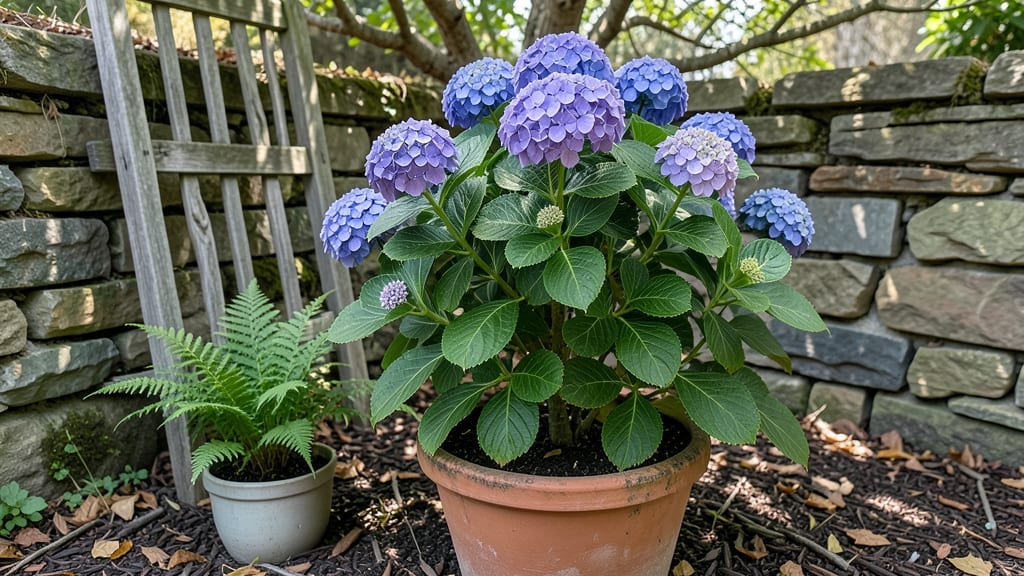
Wondering do hydrangeas need shade? They thrive with partial shade, balancing sunlight and shelter to keep those iconic blooms vibrant and healthy.
Struggling to keep your hydrangeas blooming beautifully? The right balance of sunlight and shade could be the secret weapon in your gardening arsenal—here’s how to get it right.
Too much sun can scorch leaves, while too little shade might leave you with sparse flowers. Most hydrangeas—especially mophead and lacecap varieties—do best with morning sun and afternoon shade, but oakleaf and panicle types can handle a bit more direct light.
In this guide, I’ll break down the perfect light mix for your hydrangeas, how to spot signs of improper exposure, and simple fixes to keep them thriving all season long.
 Best Window Placement
How much sunlight do hydrangeas actually need?
If you've ever wondered, "do hydrangeas need shade," the answer depends entirely on the variety you're growing. While all hydrangeas prefer some shade, their tolerance for sunlight varies dramatically.
For example, mophead hydrangeas (like the classic blue 'Nikko Blue') thrive with morning sun and afternoon shade, while panicle hydrangeas (such as 'Limelight') can handle more direct sunlight. Understanding these differences is key to maximizing those stunning blooms you love.
Most gardeners assume hydrangeas need full shade, but that's a myth. In reality, they need partial shade—typically 4-6 hours of sunlight daily. Too little light leads to sparse blooms, while too much can scorch leaves.
The trick is finding that sweet spot where your hydrangeas get just enough sun to flourish without overheating. Let's break it down by variety so you can give your plants exactly what they need.
🌸 HYDRANGEA SUNLIGHT GUIDE
Now that you know the basics, let's talk about how to adjust sunlight based on your USDA hardiness zone. In zones 5-7, most hydrangeas can handle morning sun and afternoon shade without issue.
But if you're in zones 8-10, where the sun is more intense, you'll need to provide afternoon shade to prevent leaf burn. A simple trick is planting taller shrubs or trees to the west of your hydrangeas to block harsh afternoon rays.
For container-grown hydrangeas, sunlight needs change slightly. Since pots heat up faster, they require even more shade—especially in hot climates. Move containers to a shadier spot during peak afternoon sun (around 12 PM to 4 PM) to protect delicate foliage.
I once had a 'Endless Summer' in a pot that struggled until I moved it under a patio awning—its blooms tripled in size within weeks!
If you're unsure whether your hydrangeas are getting the right amount of sun, observe their leaves. Healthy leaves should be deep green and firm, while sunburned leaves appear crispy or yellowed at the edges. Leggy growth with few blooms usually means they're not getting enough light.
The goal is to find that perfect balance where your hydrangeas get enough sunlight for blooms but stay cool enough to avoid stress.
Pro tip: If you're transitioning a hydrangea from shade to more sun, do it gradually. Sudden exposure to full sun can shock the plant. Start by moving it to a slightly sunnier spot for a few hours a day, then increase exposure over 2-3 weeks.
This acclimation process helps prevent leaf scorch and ensures a smoother transition. Think of it like helping your hydrangeas build a sun tolerance—just like you would with a new workout routine!
Another factor to consider is soil temperature. Hydrangeas prefer cooler roots, so mulching with 2-3 inches of organic mulch (like shredded bark or pine needles) helps regulate soil temperature and retain moisture.
This is especially important in full-sun locations, where soil can heat up quickly. I always add mulch in early spring to give my hydrangeas a cooler, more stable environment for root growth.
Remember, hydrangeas are not one-size-fits-all when it comes to sunlight. What works for a panicle hydrangea in a sunny border might fail for a mophead in the same spot. Pay attention to your specific variety's needs and adjust accordingly.
With the right sunlight balance, your hydrangeas will reward you with vibrant blooms all season long—and who doesn't love a showstopping garden centerpiece?
🌿 Need more help? Try placing your hydrangeas near a north- or east-facing window if growing indoors, or use a light meter to track sunlight exposure in your garden. The key is observation and flexibility—your hydrangeas will
Signs your hydrangeas are getting too much or too little sun
Hydrangeas thrive in partial shade, but too much or too little sunlight can quickly turn your lush blooms into a struggling shrub. Leaf scorch, yellowing foliage, and weak stems are all red flags that your plant isn’t getting the right light balance.
Let’s decode these signs so you can save your hydrangeas before it’s too late.
First, observe your hydrangea’s leaves—they tell the whole story. If they’re crispy with brown edges or bleached patches, your plant is likely getting too much direct sun, especially in hot afternoons.
On the flip side, pale green leaves or stunted growth mean it’s not getting enough light to fuel its blooms.
Do hydrangeas need shade? Yes—especially in hot climates. Mophead hydrangeas (like 'Endless Summer') can handle morning sun, but afternoon shade is critical. Panicle hydrangeas (like 'Limelight') tolerate more sun but still risk leaf burn in extreme heat. If your hydrangea’s leaves look like they’ve been fried, move it to a shadier spot ASAP.
Don’t overlook the blooms themselves. If your hydrangea is producing small, sparse flowers or no blooms at all, it’s likely not getting enough sunlight. Hydrangeas need 4-6 hours of light daily to set buds properly.
If your plant is in deep shade, try relocating it gradually to avoid shocking the roots.
Another telltale sign? Weak, leggy stems that stretch toward the light. This is your hydrangea’s way of searching for more sun. To fix it, trim back the leggy growth and provide dappled shade (like under a tree canopy) to encourage bushier, healthier growth.
Mulch around the base to retain moisture and protect roots from temperature swings.
Quick fixes can make a big difference. If your hydrangea is sunburned, prune the damaged leaves and provide afternoon shade with a lightweight shade cloth (30-50% block).
For underlit plants, gradually increase sunlight exposure over 2-3 weeks to avoid leaf stress. Water deeply in the morning to help the plant recover.
Remember, hydrangeas are flexible—they can adapt to different light conditions with the right care. Pay attention to these signs, and your hydrangeas will reward you with vibrant blooms all season long. 🌸