
Blooming
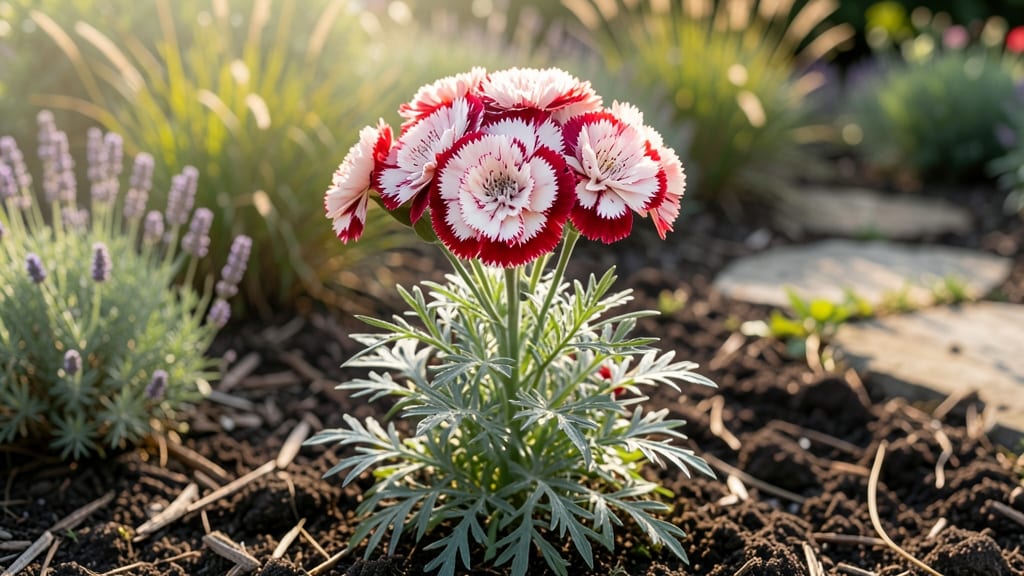
Carnations don't bloom all summer continuously, as most varieties flower in 4-6 week cycles per flush, with proper deadheading extending their blooming periods. Cool-season types like Sweet William or Border carnations prefer spring and fall, while tropical varieties may show sporadic reblooming in summer with attentive care.
Carnations actually follow seasonal rhythms rather than blooming nonstop. 🌸 The key is understanding their natural cycles—most varieties need a rest period between flushes, which is why you won't see continuous blooms.
I've found that tropical carnations (like those in 'Eternal Flame' series) are the exception, often producing sporadic summer flowers when given consistent moisture and shade during heatwaves.
The real secret to summer blooms lies in deadheading—removing spent flowers prompts new growth, but even then, most varieties cap their peak at 6-8 weeks before needing a break.
What's fascinating is how daylight hours trigger these cycles. Carnations are photoperiod-sensitive plants, meaning they respond to changing light patterns. In northern climates, this explains why spring and fall blooms are more reliable—the cooler temperatures and longer daylight transitions signal the perfect conditions for flowering.
For gardeners in hot zones, providing afternoon shade and mulching can help preserve energy for those sporadic summer blooms.
💡 In This Article
- Carnation Blooming Seasons by Variety
- Deadheading and Care Tips to Prolong Carnations
Carnation blooming seasons by variety
Carnations actually follow distinct seasonal patterns based on their botanical origins. Cool-season varieties like Sweet William (Dianthus barbatus) and Border carnations (Dianthus caryophyllus) are primed for spring and fall blooming because they originate from temperate climates.
These types enter dormancy during summer's intense heat, conserving energy until temperatures drop below 80°F and daylight hours shorten—typically triggering blooms in late summer or early fall. The science behind this is photoperiodism: these plants require 12-14 hours of daylight to initiate flowering, which naturally occurs during transitional seasons.
Tropical carnation varieties, however, behave differently. Types like 'Eternal Flame' or 'Sim' series can produce sporadic summer blooms because they're adapted to warmer climates. Their flowering cycles are less dependent on seasonal temperature shifts and more responsive to consistent moisture and humidity levels.
In my own garden, I've noticed tropical carnations will occasionally rebloom during summer heatwaves if I maintain 1-2 inches of soil moisture and provide afternoon shade—conditions that mimic their native tropical environments. The trade-off is these summer blooms are usually smaller and less prolific than spring/fall displays.
Regional climate plays a surprising role in blooming patterns. In cooler northern zones, carnations might bloom continuously from spring through fall with minimal breaks, while southern gardeners often see only spring and fall flushes due to summer's oppressive heat.
The key difference is heat stress: temperatures above 90°F can cause carnations to drop buds and flowers, effectively halting blooming until conditions improve. This is why many commercial carnation growers use shade cloth during summer months to protect their plants.
Here's what's happening biologically: Carnations store energy in their roots during off-seasons, and this reserve fuels their flowering cycles. When you see continuous blooming in some varieties, it's because they've built up sufficient root reserves—typically taking 6-8 weeks of consistent growth before producing another flush.
The misconception about "all-summer blooming" comes from tropical varieties that can stretch their cycles with ideal care, but even these need periodic rest to prevent energy depletion.
Consider these variety-specific blooming patterns:
- Cool-season carnations: Peak blooms in spring (April-June) and fall (September-October), with minimal summer production unless in northern climates
- Tropical carnations: May produce sporadic summer blooms (July-August) with proper care, but never as prolifically as cool-season types
- Perennial carnations: Often bloom in spring only, with occasional fall reblooms if given proper winter care
The daylight hours trigger is particularly fascinating. Carnations measure day length through a process called photoperiodic induction, where they detect changes in light duration. When days shorten (as in late summer), this signals the plant to begin flowering preparation.
This biological mechanism explains why you'll often see carnation blooms align with astronomical events like the summer solstice—nature's way of timing reproduction with optimal conditions.