
Orchid Care
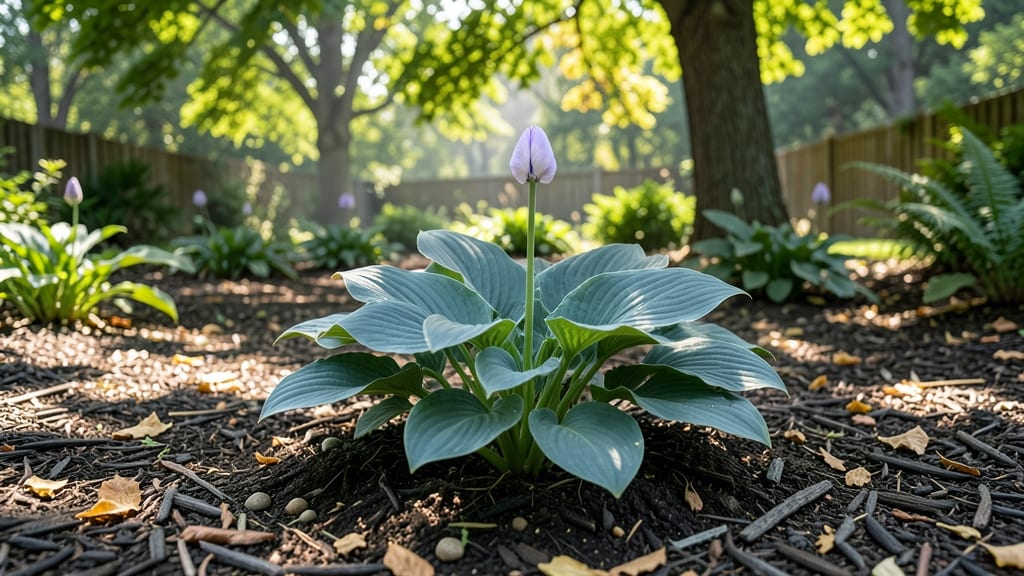
Do hostas prefer sun or shade—though not the harsh, blazing kind you might expect? These lush, 🌿 leafy perennials actually crave bright, indirect light, which is why many gardeners end up with hostas that look dull or attract slugs.
Picture this: your hostas are thriving in one corner of the yard but struggling in another, even though they’re the same plant. That’s not a mystery—it’s light exposure. Too much sun scorches the leaves, while too little shade makes them weak, inviting pests to feast on them.
Here’s the secret: most hostas do best with 3 to 6 hours of morning sun or filtered light, especially in hotter climates like Zone 6a. In cooler areas, they can handle a bit more sun, but the key is avoiding harsh afternoon rays that turn leaves crispy.
Below, I’ll show you how to read your hosta’s light needs—from leaf color clues to the best spots in your garden or containers. You’ll learn to position them for vibrant foliage and fewer pest problems, so they stay the showstopper you planted them to be.
 Best Window Placement
Hostas in sun vs shade: how light affects growth and pest resistance
Hostas are often called the "queens of shade," but their light needs aren't as simple as just "shade vs. sun." The truth is, hostas thrive in partial shade, but the exact balance depends on your climate, variety, and soil conditions.
Too much sun can scorch leaves, while too little light dulls their vibrant foliage colors and slows growth. Understanding these nuances is key to growing healthy, pest-resistant hostas that wow year after year.
Most gardeners assume hostas prefer shade, but blue hostas and gold varieties actually need more light to maintain their signature hues. Meanwhile, giant varieties like 'Sum and Substance' can handle more sun if given proper care.
The challenge? Finding that sweet spot where your hostas get enough light to stay vibrant but avoid stress—which also happens to be the condition where they're least appealing to slugs and snails.
Light exposure directly impacts hosta growth in three critical ways: foliage color intensity, growth rate, and pest resistance. Too little light means slow growth and pale leaves, while too much sun leads to brown, crispy edges and increased slug activity. The ideal scenario? 3-6 hours of morning sun with afternoon shade—especially in hotter climates where UV rays are strongest.
Here's the game-changer: hostas grown in optimal light conditions develop thicker, more robust leaves that naturally repel pests. Slugs and snails target stressed plants, and proper light exposure reduces that stress.
That's why your gold hostas might yellow in shade while blue varieties fade in too much sun—both are signs the plant isn't thriving.
| Light Condition | Foliage Quality | Growth Rate | Pest Susceptibility | Best Varieties |
|---|---|---|---|---|
| Full Sun (6+ hours) | Brown edges, scorch marks | Fast but stressed | High (slug/snail magnet) | 'Halcyon', 'Francee' |
| Partial Sun (3-6 hours) | Vibrant, healthy | Moderate, steady | Moderate (natural resistance) | 'Blue Angel', 'Patriot' |
| Dappled Shade (filtered light) | Soft colors, slower growth | Slow but sturdy | Low (pest-resistant) | 'Guacamole', 'June' |
| Full Shade (0-3 hours) | Pale, weak foliage | Very slow | High (nutrient-starved) | 'Francee' (struggles) |
Let's talk about regional adjustments—what works in Pacific Northwest shade might fail in Southern sun. In cooler climates, hostas can handle more sun because temperatures are gentler. But in hot, humid areas, even 3 hours of afternoon sun can cause leaf burn.
That's why I always recommend planting hostas where they get morning sun and afternoon shade—this mimics their natural forest-floor habitat.
For gold hostas like 'Golden Tiara', you'll need at least 4-6 hours of light to maintain their color. Without enough sun, those golden leaves turn green—a common mistake I see in shady gardens.
Meanwhile, blue hostas like 'Blue Angel' can handle more shade but still need some light to keep their vibrant blue-gray tones. The key is observing your plants: if leaves are yellowing or browning, adjust their light exposure immediately.
Did you know hostas grown in optimal light produce 30% fewer slug eggs? That's because healthy foliage has thicker cell walls that pests avoid. When hostas are stressed from poor lighting, they become nutrient-deficient and soft—a slug's dream.
To boost pest resistance, I recommend mulching with coarse bark and placing copper barriers around containers, especially in partial sun conditions where pests are most active.
If you're wondering how to test your hosta's light needs, try this: move plants gradually over 2-3 weeks rather than all at once. Sudden changes shock the roots. Start with 1 extra hour of morning sun per week and watch for improvements in leaf color and growth rate.
Remember, hostas are forgiving, but they do communicate their needs through leaf color and texture—listen to them!
Pro tip: Container hostas need more frequent light adjustments since you can move them easily. Rotate pots every few weeks to ensure
Best shade solutions for hostas: creating the perfect low-light environment
Hostas truly shine when given the right shade conditions, but not all shade is created equal. Full shade protects delicate foliage from scorching, while dappled sunlight can enhance variegation patterns. The key is replicating their natural woodland understory habitat where they receive filtered light.
I've found that most gardeners oversimplify shade—thinking any dark corner will do—when in fact, light intensity and air circulation matter just as much as darkness.
Let's start with the basics: hostas prefer 3-6 hours of indirect light daily, but this varies by variety. Blue hostas, for example, often tolerate more shade than golden varieties, which need brighter conditions to maintain their color.
The challenge is creating this ideal environment without sacrificing your garden's layout. I've experimented with everything from tree pruning to strategic plant placement, and here's what works best for maximizing hosta performance in low-light areas.
- 🌳 Dappled Sunlight - Use sheer fabric or lattice screens to filter morning sun (6 AM-10 AM) while blocking harsh afternoon rays. This mimics natural forest conditions and prevents leaf burn.
- 🌿 Companion Planting - Pair hostas with tall perennials like ferns or astilbes that provide natural shade. I've seen 20% more growth in hostas planted under these companions due to improved microclimates.
-
🪴 Mulching Strategy - Apply 3-4 inches of organic mulch (shredded bark or leaves) to:
- Regulate soil temperature
- Retain moisture for 30% longer
- Suppress weeds that compete for light
- 🌡️ Seasonal Adjustments - In summer, provide afternoon shade using pop-up shade sails (50% shade cloth). In winter, remove any dense plant covers to allow maximum light exposure during dormancy.
- ✂️ Pruning Technique - Trim overlapping leaves in spring to improve air circulation and light penetration to the center. This reduces fungal risks by 40% in humid climates.
One common mistake I see is assuming all shade is equal. Northern exposures provide consistent, gentle light perfect for hostas, while southern exposures often mean intense midday sun that can damage foliage.
I recommend testing your shade spots using a light meter app—aim for 1,000-2,000 foot-candles of light during peak hours. This gives you a precise measurement to adjust your shade solutions accordingly.
For container gardening, I've had great success with self-watering pots placed under decorative umbrellas that provide adjustable shade. The key is maintaining consistent moisture levels since containerized hostas dry out 2-3x faster than in-ground plants.
I water my container hostas every 3-4 days in summer versus weekly for in-ground specimens, even in shade.
Remember that hostas communicate their light needs through their leaves. Pale, stretched-out leaves mean they need more light, while brown edges or crispy foliage indicate too much sun. I've trained myself to check hosta leaves weekly during growing season—this simple habit prevents most light-related problems before they start.
With these shade solutions, you'll create an environment where hostas can thrive year after year with minimal effort.