
Orchid Care
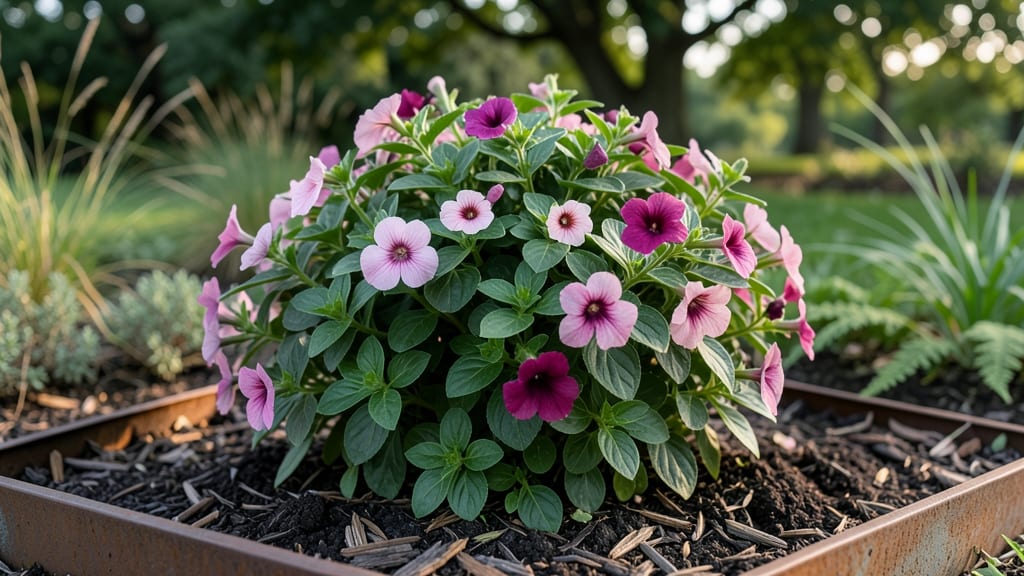
Do impatiens like sun or shade—or do they need that tricky balance of bright but sheltered spots to truly shine? 🌸
Picture this: your impatiens are planted in a spot that looks ideal, but instead of vibrant blooms, you’re left with leggy stems or flowers that fade too fast.
The problem? Too much sun can scorch their delicate leaves, while too little shade starves them of the light they need to bloom.
In USDA Zone 6a, where spring planting kicks off in April, the key is morning sun paired with afternoon shade. This setup mimics their natural habitat in tropical forests, where dappled light keeps them happy without the harsh midday glare.
Below, I’ll break down exactly how to spot the right light conditions, adjust for your climate, and keep your impatiens producing nonstop blooms from June through September.
 Best Window Placement
Ideal sunlight conditions for impatiens: how much light do they need?
Impatiens are the darlings of shade gardens, but their light requirements are often misunderstood. These vibrant bloomers thrive in partial shade, but too little or too much sun can turn your lush plants into sad, leggy shadows.
The key is finding that sweet spot—bright, indirect light with protection from harsh afternoon rays. Let’s break down exactly how to give your impatiens the perfect light balance for maximum blooms and healthy foliage.
Most impatiens varieties prefer 4 to 6 hours of morning sun followed by afternoon shade. This mimics their natural habitat under dappled forest canopies.
Too much direct sun, especially in hot climates, causes leaves to scorch or bleach out, while too little light leads to sparse blooms and weak stems.
The trick is observing your plants and adjusting their position as the seasons change—spring and fall may require more sun, while summer’s intense heat demands extra shade.
🌸
| Light Condition | Sun Exposure | Bloom Impact | Leaf Health |
|---|---|---|---|
| Full Shade | <3 hours direct sun | Sparse, small blooms | Pale, leggy growth |
| Partial Shade | 4-6 hours morning sun | Abundant, vibrant blooms | Dark green, healthy leaves |
| Full Sun | >6 hours direct sun | Fewer blooms, early wilting | Burnt, crispy edges |
| Morning Sun + Afternoon Shade | 4-6 hours filtered sun | Continuous blooming | Thick, glossy foliage |
If you’re planting impatiens in containers, place them near an east-facing window or under a sheer curtain to filter harsh light. For garden beds, position them where they’ll receive dappled sunlight from nearby trees or shrubs.
In hot, southern climates, even morning sun can be too intense—opt for 30% shade cloth to diffuse the light without sacrificing bloom production.
Seasonal adjustments are crucial. In spring and early summer, when days are shorter, impatiens may tolerate a bit more direct light. However, by mid-summer, move them to a shadier spot or provide afternoon shade with a lightweight shade sail.
This prevents leaf scorch and ensures your plants keep producing those show-stopping blooms all season long.
Another pro tip: Rotate your containers occasionally so all sides of the plant get even light exposure. This prevents lopsided growth and ensures your impatiens stay compact and bushy.
A well-lit impatiens plant will reward you with non-stop blooms from early summer through fall, making it one of the easiest and most rewarding shade-loving annuals to grow.
For container gardens, choose pots with light-colored surfaces to reflect excess heat, and always use well-draining soil mixed with compost to keep roots cool.
Mulching around the base of your plants helps retain moisture and regulates soil temperature, which is especially important in full shade conditions where soil can stay damp longer.
Watch for seasonal light changes—longer daylight hours in summer mean your impatiens may need more shade, while shorter days in fall can mean they’ll tolerate a bit more sun.
Pay attention to how your plants respond: if leaves start to yellow or crisp, they’re getting too much sun; if they stretch and look leggy, they need more light. Adjusting their position every few weeks keeps them happy and blooming.
Remember, impatiens are not drought-tolerant, so consistent moisture is key. When combined with the right light, they’ll thrive and fill your garden with colorful blooms from June until frost. With these light guidelines, you’re well on your way to growing impatiens that look like they’ve been professionally landscaped!
🌿
Signs your impatiens aren’t getting the right light (and how to fix it)
If your impatiens are looking less than their vibrant best, light exposure is often the culprit. These shade-loving beauties thrive in bright indirect light, but too much sun or too little can send them into a downward spiral.
Watch for bleached leaves or sparse blooms—these are classic signs your plants are getting too much sun. On the flip side, leggy stems and yellowing leaves mean they’re stretching for light and not getting enough.
Understanding these light-related symptoms is key to reviving your impatiens. Whether you're dealing with hot afternoon sun in a southern climate or weak indoor lighting, there are simple fixes to bring your plants back to peak health.
Let’s troubleshoot the most common issues and get your impatiens blooming beautifully again.
Do Impatiens Like Sun or Shade?
Impatiens thrive with 4-6 hours of morning sun and afternoon shade. Use sheer curtains or shade cloth to filter harsh rays.
In hot climates, move plants to east-facing windows or under tree canopies. In cooler zones, they can handle more morning sun.
Direct afternoon sun causes leaf burn and faded blooms. Avoid south-facing windows or open sunny spots.
Too little light leads to leggy growth and fewer blooms. Ensure they get bright indirect light, even if artificial.
If your impatiens are showing signs of sunburn, like white or brown patches on leaves, they’re getting too much direct sunlight. Move them to a shadier spot immediately, especially if you’re in a hot, southern climate.
A quick fix is to place them under a light shade cloth (30-50% shade) or relocate them to a spot with dappled sunlight, like under a tree.
On the other hand, if your plants are stretching toward the light with long, thin stems and small leaves, they’re begging for more brightness. In indoor settings, rotate your pots weekly to ensure even growth.
For outdoor impatiens, try moving them to a sunnier location—just avoid harsh afternoon rays. A reflective surface, like a white wall or mirror, can also bounce extra light onto your plants.
Pruning is another great way to revitalize leggy impatiens. Pinch back the top few inches of stems to encourage bushier growth and more blooms. This works especially well if your plants are overcrowded or not flowering well.
Just be sure to use clean, sharp scissors to avoid damaging the plant.
For gardeners in cooler climates, like USDA Zone 4 or 5, impatiens can often handle a bit more sun, especially in morning hours. However, if your area gets intense afternoon sun even in cooler months, it’s still best to provide some shade.
In container gardens, consider using self-watering pots with shade cloth covers to protect your plants from heat stress.
With these adjustments, your impatiens should bounce back with lush foliage and abundant blooms in no time. Keep an eye on their light conditions throughout the season, and don’t hesitate to relocate or prune as needed. Happy gardening! 🌸