
Flowers
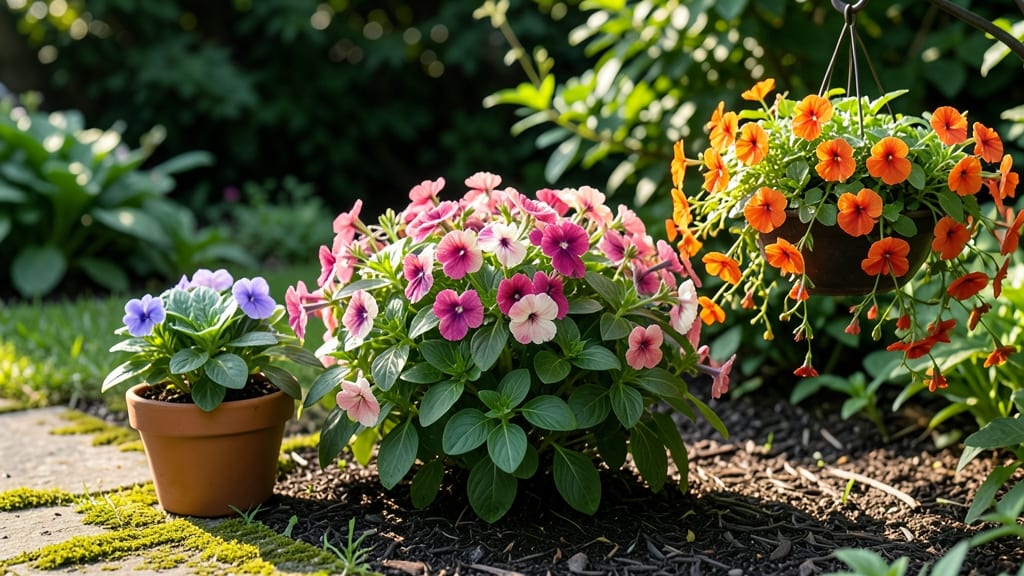
Impatiens flowers thrive in shade or partial sun, but their light needs depend on the variety you choose—some boldly defy the "shade-only" rule with surprising sun tolerance.
Picture this: your garden’s shady corner bursting with vibrant 🌸 impatiens all summer, while a neighbor’s sun-drenched patch struggles with wilted leaves. The difference? Variety selection and a few smart growing tweaks.
Many gardeners assume impatiens can’t handle sun, but New Guinea types and newer hybrids actually beg for a few hours of morning light.
In USDA Zone 6a, where spring planting kicks off in April, the key is matching the right impatiens to your spot. Too much direct afternoon sun scorches leaves, but dappled light or morning rays can boost blooms—if you prep the soil and water consistently.
Below, I’ll break down which varieties take heat, how to protect shade-loving types, and the companion plants that keep them thriving.
Ready to grow impatiens that outperform expectations? You’ll learn how to turn both sun and shade into a nonstop bloom show—no guesswork, just vibrant results.
 Best Window Placement
Best impatiens varieties for sun vs. shade: light-tolerance breakdown
Impatiens are often labeled as shade-loving flowers, but the truth is more nuanced. While classic Busy Lizzie varieties prefer filtered light, New Guinea impatiens actually tolerate—and even thrive in—bright morning sun.
Understanding these differences lets you place impatiens perfectly in your garden, whether under trees or in sunny borders.
The key lies in recognizing that not all impatiens are equal when it comes to light. Some varieties handle partial sun beautifully, while others wilt under even a few hours of direct rays.
Let’s break down the three main impatiens types—New Guinea, Busy Lizzie, and Super Elfin—and their real-world light needs, so you can choose the right one for your space.
Myth-busting tip: Many gardeners assume impatiens can’t handle any sun, but New Guinea impatiens are bred for sun tolerance and often outperform their shade-loving cousins in hotter climates. The secret? Their thicker leaves and darker foliage help them resist leaf scorch.
New Guinea impatiens are the sun lovers of the group, capable of handling 3–6 hours of direct sun—especially if given consistent moisture. Their thicker leaves and darker foliage help them resist the leaf scorch that plagues other varieties.
Look for cultivars like 'Accent Firefly' or 'Superbus', which are bred for heat tolerance and bold colors.
Classic Busy Lizzie impatiens, however, are the shade specialists. These varieties thrive in dappled light or partial shade with no more than 3 hours of sun. Placing them in east-facing windows or under deciduous trees ensures they get just enough light without overheating.
Their delicate petals and lighter foliage make them less forgiving in sunny spots.
For in-between spaces, like bright indirect light or morning sun, Super Elfin impatiens are the perfect compromise. These compact varieties handle 2–4 hours of filtered sun and are ideal for container gardens or hanging baskets near windows.
Their smaller size (8–12 inches) makes them versatile for edge plantings or window boxes.
Pro tip: If you’re testing impatiens in sunny spots, start with New Guinea varieties and monitor for leaf stress (yellowing or crispy edges). Adjust by adding mulch or providing afternoon shade with a lightweight shade cloth. Even sun-tolerant impatiens need protection from intense afternoon rays.
Don’t overlook soil moisture as a game-changer. Sun-loving impatiens dry out faster in hot conditions, so water deeply 2–3 times per week and use moisture-retaining mulch like pine bark or coco coir. A self-watering planter can also extend their success in sunny, exposed areas.
For shady spots, focus on Busy Lizzie varieties like 'Celebrity' or 'Diamond', which offer longer bloom times in low light. Pair them with
How to grow impatiens in partial sun: pro tips for sunny spots
Growing impatiens in partial sun (3–6 hours of direct sunlight) is absolutely possible if you choose the right varieties and follow a few key strategies. While they’re famously shade-lovers, New Guinea impatiens and some modern hybrids can handle more light than traditional Busy Lizzie types—when given the right care.
The secret lies in soil moisture, mulching, and strategic placement to avoid leaf scorch.
Many gardeners assume impatiens will crisp in the sun, but with proper watering schedules and companion plants for shade, you can create stunning sunny spots that still produce continuous blooms from spring to frost. Let’s break down the essential steps to make this work in your garden.
- 🌿 Choose sun-tolerant varieties like New Guinea impatiens ('Accent Firefly,' 'Superbus') over traditional Busy Lizzie types.
- 💧 Water deeply twice daily in peak sun (morning + late afternoon) to prevent soil drying.
- 🌳 Mulch with 2–3 inches of organic mulch (shredded bark) to retain moisture and cool roots.
- ☀️ Position near taller plants (e.g., hostas, ferns) to filter harsh afternoon rays.
- 🌸 Fertilize weekly with balanced 10-10-10 during blooming season to support vibrant flowers.
Start by amending your garden soil with compost or peat moss to improve moisture retention—this is critical for impatiens in sunny spots. Aim for well-draining but consistently moist soil, as dry conditions will cause leaves to yellow and crisp.
A simple soil test can confirm if your garden bed holds enough water; if not, consider planting in raised beds filled with moisture-retentive potting mix.
One of my favorite tricks is to plant impatiens in partial shade created by other plants. For example, pairing them with tall ornamental grasses or shrubs like hydrangeas provides natural shade during the hottest afternoon hours.
This mimics their natural understory habitat while still allowing morning sun exposure, which encourages longer bloom times.
When it comes to watering impatiens in sun, timing is everything. Always water in the early morning to give leaves time to dry before evening, reducing fungal risks.
In extreme heat (above 90°F), I’ve found that drip irrigation or soaker hoses work best—delivering water directly to the roots while minimizing evaporation. Avoid overhead sprinklers, which can leave foliage damp and prone to powdery mildew.
Finally, don’t forget to pinch back leggy stems and deadhead spent blooms regularly. This encourages bushier growth and more flowers, especially in sunny conditions where plants may grow faster. With these strategies, your impatiens will thrive in partial sun, delivering nonstop color from spring through fall.