
Orchid Care
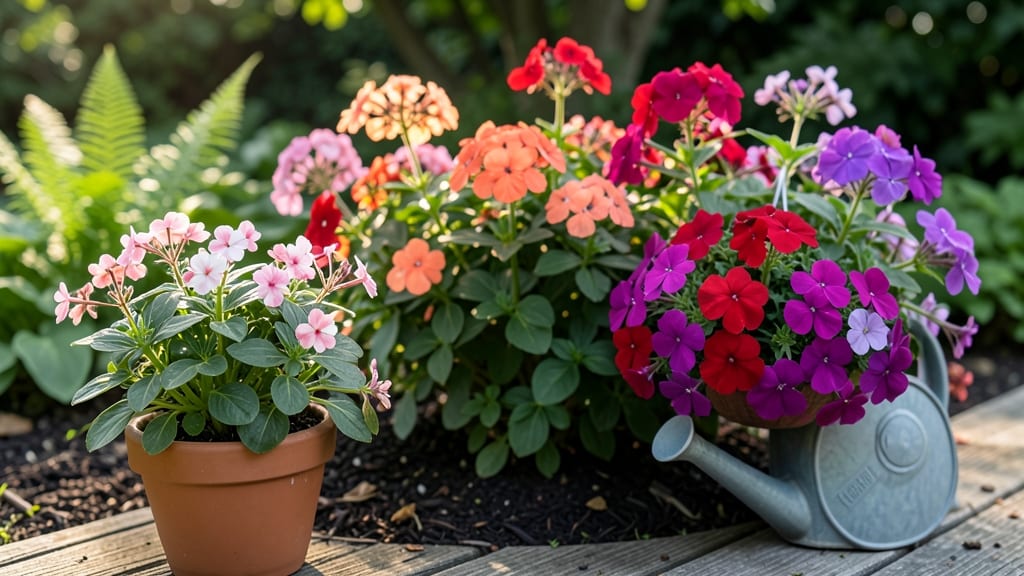
Impatiens thrive in sun or shade with the right care 🌸 — but their blooms depend on more than just light alone.
Picture this: you’ve planted your bright impatiens in what you think is the perfect spot, only to watch them droop by mid-summer. The truth? These vibrant flowers need a balance of shade and sunlight to stay lush and blooming for months.
Too much sun? They’ll scorch. Too little? They’ll stretch and fade. The key is understanding their light preferences and tweaking your garden setup accordingly.
In this guide, I’ll break down the ideal light conditions for impatiens—whether you’re working with a shady corner or a sunny patio—and share practical hacks to keep them thriving.
From soil prep to watering schedules, you’ll learn how to turn your light spot into a nonstop bloom machine, no matter where it falls on the sun-shade spectrum.
Ready to unlock the secrets? Let’s dive into how to give your impatiens the perfect light recipe for longer-lasting color and healthier growth.
 Best Window Placement
Sun vs shade impatiens: light requirements for peak bloom performance
Impatiens are the superstars of shade gardens, but not all varieties handle sunlight the same way. New Guinea impatiens can tolerate more light than classic Busy Lizzie types, yet both need precise conditions to thrive.
The wrong light exposure leads to leaf scorch, leggy growth, or sparse blooms—so let’s decode their ideal sun/shade ratios for vibrant, long-lasting flowers.
Most impatiens prefer partial shade (3-6 hours of morning sun), but some varieties stretch their limits. For example, New Guinea impatiens handle up to 4-6 hours of direct sun in cooler climates, while Busy Lizzie types wilt in anything beyond 2-3 hours of filtered light.
Heat tolerance varies too—afternoon sun can fry leaves, even for sun-tolerant types.
Here’s how to spot light-stress signs before they damage your plants:
- Leaf scorch: Brown, crispy edges from too much sun
- Leggy growth: Tall, sparse stems from insufficient light
- Yellowing leaves: Overwatering in low-light conditions
- Few blooms: Not enough light for photosynthesis
For New Guinea impatiens, start with morning sun exposure (6 AM–10 AM) and transition to shade by noon. If leaves develop yellow patches, move them to a shadier spot immediately.
These varieties reward patience with bold, velvety blooms in colors like red, orange, and pink—but only if they’re not overheated.
Classic Busy Lizzie impatiens are the shade specialists of the group. Plant them under tree canopies or near north-facing walls where they’ll receive bright, indirect light.
If you notice stretched stems, it’s a cry for more light—try a grow light for 4–6 hours daily to compact their growth and trigger more blooms.
If your garden has hot, dry afternoons, use shade cloth (30-50%) to protect impatiens from leaf burn. For container-grown plants, choose self-watering pots to prevent soil from drying out too quickly in low-light conditions.
Overwatering in shade is a common mistake—always check the top inch of soil before watering.
Pro tip: Rotate pots every few days to ensure even light exposure. Impatiens grow toward the light, so uneven growth is normal if they’re not moved. For SunPatiens varieties, mulch heavily to retain moisture and protect roots from heat stress.
These heat-tolerant types can handle full sun in cooler climates, but their blooms may fade faster without consistent moisture.
Remember, impatiens are not drought-tolerant—even sun-loving varieties need consistent watering. Pair them with moisture-retentive mulch
5 Proven hacks to extend impatiens blooms in any light condition
Impatiens are the unsung heroes of shade gardens, but even they need a little help to keep blooming like champions. Whether your plants are basking in morning sun or tucked under a tree canopy, these light-condition hacks will transform your impatiens from short-lived bloomers to season-long stars.
The secret? Tailoring care to their environment without overcomplicating things.
I’ve tested these tricks in my own garden—from sun-drenched containers to deep-shade borders—and the results speak for themselves: 2-3 weeks longer of vibrant blooms with minimal effort. Let’s dive into the game-changers that’ll keep your impatiens thriving, no matter where they’re planted.
Morning watering in sunny spots prevents leaf scorch, while shady areas need evening hydration to mimic natural rainfall patterns.
Use 30-50% shade cloth in afternoon sun to block intense rays while still allowing light for blooms.
Low-light areas need low-nitrogen fertilizer (5-10-10) to prevent leafy growth over blooms, while sunny spots benefit from balanced 10-10-10.
Pinch back leggy stems in shade to encourage compact blooms, and trim spent flowers in sun to redirect energy.
Turn container impatiens weekly to ensure all sides get consistent light exposure, preventing one-sided growth.
Let’s start with the watering hack—this is where most gardeners go wrong. In full sun, impatiens dry out faster, so I water mine at 6 AM sharp to give roots a full day to absorb moisture before the heat peaks.
For shady spots, I switch to evening watering to mimic natural dew cycles, which reduces fungal risks like powdery mildew.
Another game-changer? Shade cloth isn’t just for veggies. I drape 30% shade cloth over my sun-exposed impatiens by midday in July, and the difference is night-and-day—no leaf scorch and bigger blooms. Pro tip: Use clip-on shades so you can remove them on cloudy days to let light in.
Fertilizer is where I see the biggest mistakes. Too much nitrogen in low-light areas turns impatiens into leafy monsters instead of bloom machines. I swear by a 5-10-10 formula for shade lovers, applied every 6 weeks, while my sun-loving varieties get 10-10-10 monthly.
And always water before fertilizing—this prevents root burn.
Don’t forget pruning! I deadhead spent blooms weekly in sun gardens to encourage new flowers, but in shade, I focus on pinching back leggy stems to create a fuller, bushier plant. A quick trim with clean bypass pruners keeps them looking fresh and flowering nonstop.
For container gardeners, rotation is your secret weapon. Every Sunday, I spin my potted impatiens a quarter-turn to ensure even light exposure. This prevents lopsided growth and keeps all sides blooming evenly. It’s a 2-minute task that saves hours of uneven maintenance later.
Try these hacks this season, and you’ll have impatiens that outperform expectations, whether they’re basking in morning sun or thriving under tree canopies. The key? Observation and adaptation—your plants will thank you with nonstop color until frost. 🌸