
Orchid Care
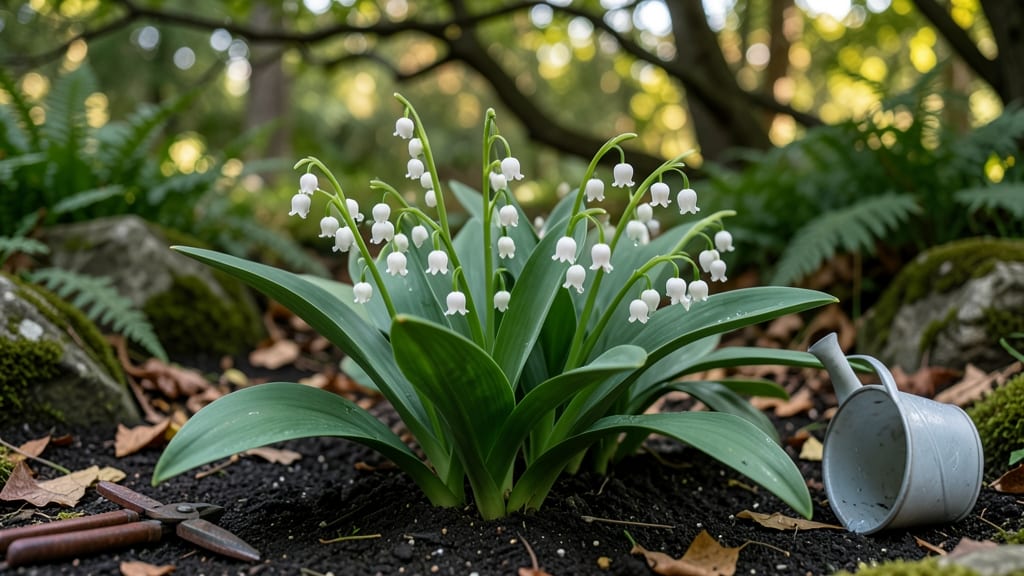
Do lily of the valley like sun or shade—actually, they prefer shade—so they flourish beautifully in woodland gardens or shady borders 🌸.
Struggling to get your lily of the valley to bloom? The answer might lie in the light—too much sun scorches the leaves, while deep shade stunts flowers. This delicate plant prefers dappled sunlight, mimicking its natural habitat under tall trees.
Most gardeners assume it tolerates full shade, but even a few hours of morning sun can trigger vibrant blooms. The key is avoiding harsh afternoon rays, which can turn leaves crispy in no time.
Below, I’ll show you exactly how to create the ideal light conditions—whether you’re planting in the ground or a container—so your lily of the valley stays lush and fragrant for years.
 Best Window Placement
Lily of the valley light requirements: sun vs. shade breakdown
If you're wondering do lily of the valley like sun or shade, the answer lies in its natural habitat—shady forest floors. These delicate perennials thrive in dappled sunlight, where they receive 2-4 hours of filtered light daily.
Too much direct sun causes leaf scorch, while deep shade reduces blooming. Understanding this balance is key to growing lush, fragrant lily of the valley year after year.
Lily of the valley prefers partial shade, mimicking the conditions under tall trees where they naturally grow. The ideal light balance promotes healthy foliage while encouraging abundant spring blooms.
Without enough light, plants may produce fewer flowers, and too much sun weakens their structure. Let’s break down the perfect light conditions for your garden.
Comparison Table: Lily of the Valley Light Requirements
| Light Condition | Daily Light Hours | Growth Impact | Best For |
|---|---|---|---|
| Full Sun (6+ hours) | 6+ hours | Leaf scorch, weak stems, fewer blooms | Avoid |
| Partial Shade (3-5 hours) | 2-4 hours | Healthy foliage, abundant blooms, strong growth | Ideal |
| Full Shade (0-2 hours) | 0-2 hours | Slow growth, sparse blooms, leggy stems | Tolerates but not ideal |
| Dappled Sunlight | 2-4 hours (filtered) | Perfect balance: lush foliage + vibrant blooms | Best choice |
For optimal lily of the valley growth, focus on creating a dappled light environment. This means planting them under trees with open canopies or in areas where sunlight filters through leaves.
Morning sun with afternoon shade is ideal, as it prevents the intense heat that can damage delicate leaves. If your garden lacks natural dappling, consider using shade cloth (30-50%) during peak sunlight hours.
One common mistake is assuming shade means no sun at all. Lily of the valley still needs some light to photosynthesize and produce energy for blooming. If your plants are in full shade, they may struggle to flower.
Look for spots where sunlight dances across the ground in patches—this is the sweet spot for lily of the valley.
In container gardening, place your lily of the valley near a north-facing window or under a sheer curtain to filter light. Avoid placing them in a south-facing window, where harsh afternoon sun can cause leaf burn.
Containers also dry out faster, so ensure they’re in a spot with consistent moisture and partial shade.
If you’re planting lily of the valley in your landscape design, pair them with tall perennials or shrubs that provide natural shade. Hostas, ferns, and astilbes make excellent companions, creating a layered, woodland-style garden.
This not only protects your lily of the valley but also enhances the overall aesthetic with textured foliage and seasonal interest.
Watch for visual cues that indicate your lily of the valley isn’t getting the right light. Yellowing leaves or brown edges signal too much sun, while long, sparse stems with few blooms suggest insufficient light.
Adjust their location gradually—move them inch by inch over a few weeks to avoid shocking the plants. Patience is key when fine-tuning their light exposure.
Pro tip: Rotate containers occasionally to ensure even light exposure on all sides. Lily of the valley can become one-sided if they lean toward the light source. This simple habit keeps them compact and symmetrical, ensuring they look their best year-round.
With the right light balance, your lily of the valley will reward you with fragrant blooms and lush greenery for decades.
Remember, lily of the valley is forgiving but particular about light. Once you find the perfect spot—whether under a tree, near a shaded wall, or in a container with filtered light—your plants will thrive with minimal fuss. Happy gardening! 🌸🌿
How to create the perfect dappled light environment for lily of the valley
Lily of the valley (Convallaria majalis) thrives in the dappled light of a forest understory, where sunlight filters through leaves in a gentle, shifting pattern. Recreating this environment in your garden ensures vibrant blooms and healthy foliage.
The key is balancing morning sun with afternoon shade—avoiding harsh midday rays that can scorch delicate leaves.
Start by observing your garden's natural light patterns. East-facing beds receive gentle morning sunlight, while west-facing spots offer afternoon shade. If your yard lacks these conditions, use shade cloth or strategically place taller plants to mimic the forest effect.
Think of it as creating a custom microclimate tailored to your lily of the valley's needs.
- Choose the right location: Plant under deciduous trees (like maple or oak) where branches filter sunlight naturally.
- Use shade cloth: Install 30-50% shade cloth if your garden lacks natural dappling, adjusting density by season.
- Pair with tall plants: Surround with ferns, hostas, or astilbes to create natural shade and retain soil moisture.
- Avoid south-facing walls: These spots bake plants in direct afternoon sun, causing leaf burn and flower loss.
- Test your spot: Place a white board in potential locations for 24 hours—if it shows partial sun patterns, it's ideal.
For container gardening, place your lily of the valley near a north-facing window or under a patio umbrella with breathable fabric. Rotate pots weekly to ensure even light exposure, preventing lopsided growth.
Remember, these plants tolerate shade better than sun, so err on the side of caution if you're unsure about your garden's light conditions.
Companion planting plays a crucial role too. Hostas and ferns create a living shade canopy, while heucheras add color without competing for light. Mulch with wood chips to maintain even soil temperatures and reduce evaporation. This layered approach mimics the forest floor ecosystem where lily of the valley naturally grows.
Monitor your plants throughout the growing season. If leaves turn yellow or crispy, they're getting too much sun—move them to a shadier spot immediately. Conversely, if growth is leggy or sparse, they need slightly more light.
Adjust gradually to avoid shocking the plants, and you'll soon have a thriving lily of the valley display that blooms reliably each spring.
With these strategies, your lily of the valley will reward you with fragrant, bell-shaped flowers and lush foliage for years to come. The secret lies in patience and observation—just like in a real forest understory, where light dances through the leaves in perfect harmony. 🌿🌸