
Light Requirements
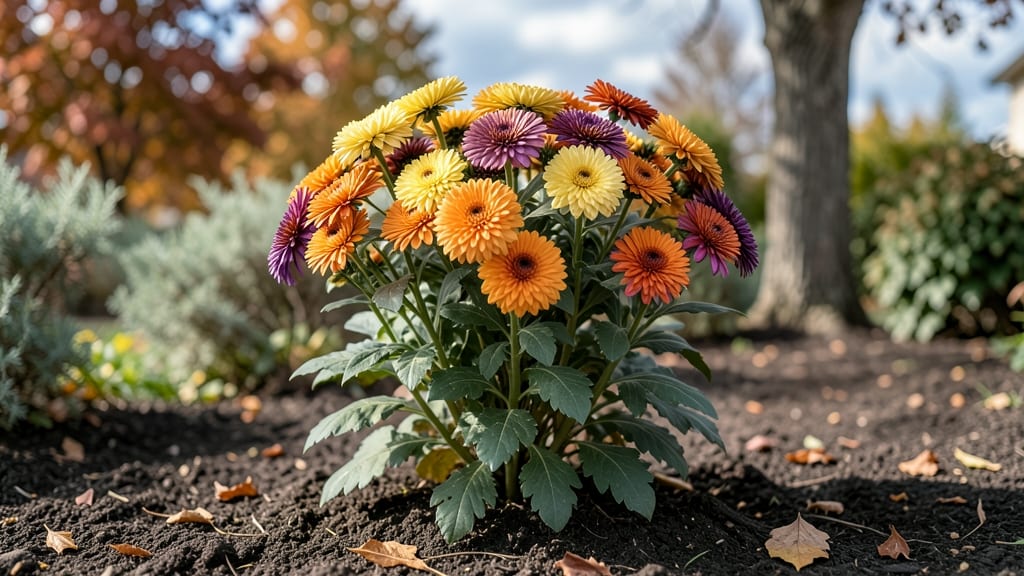
Do mums need sunlight or shade—specifically 4-6 hours of sun daily—because too much scorches their blooms while too little fades their color.
Picture this: your 🌼 chrysanthemums planted in full afternoon sun, their petals crisping by midday. Or worse, tucked under a dense tree where they stretch and flop, blooming weakly. The right light balance is the difference between bold fall color and disappointment.
Most gardeners assume mums need full sun, but partial shade—especially in hot climates—is often the secret to their longevity. In Zone 6a, morning sun paired with afternoon shade lets them shine without stress, while containers need even more protection.
Below, I’ll show you how to read your mums’ light needs, adjust for your region, and keep them blooming year after year—no guesswork required.
 Best Window Placement
Optimal sunlight requirements for mums: finding the perfect balance
Mums (chrysanthemums) thrive when given the right balance of sunlight, but their needs vary by variety and climate. Full-sun varieties like 'Bonnee' or 'Mambo' love 6+ hours of direct sun, while partial-shade types such as 'Painted Lady' prefer morning sun and afternoon shade.
Understanding these differences prevents common issues like leaf burn or weak blooms.
In hot climates (Zones 8-10), afternoon shade is critical to prevent heat stress. In cooler regions (Zones 3-6), mums can handle full-day sun without issues. The key is observing your plants—adjust their position if you notice yellowing leaves or stretched stems.
🌼 Pro Tip: Test your garden’s sunlight by placing a white board where you plan to plant. If it’s too hot to touch by midday, that spot gets intense afternoon sun—ideal for heat-tolerant mums.
| Variety Type | Sunlight Needs | Climate Adaptations | Signs of Stress |
|---|---|---|---|
| Full-Sun Mums (e.g., 'Bonnee') | 6-8 hours direct sun | Zones 3-7: Full sun; Zones 8-10: Morning sun only | Brown leaf edges, weak stems |
| Partial-Shade Mums (e.g., 'Painted Lady') | 3-5 hours morning sun | All zones: Avoid afternoon sun | Pale blooms, leggy growth |
| Dwarf Mums (e.g., 'Pompon') | 4-6 hours filtered sun | Containers: East-facing windows | Slow growth, sparse blooms |
If your mums show leaf burn (brown patches), they’re getting too much intense afternoon sun. Move them to a spot with dappled shade or use a 30% shade cloth during peak heat.
For leggy growth, they’re not getting enough light—relocate them to a sunnier spot or supplement with a grow light.
In containers, mums need more frequent light adjustments since pots can overheat. Use light-colored containers to reflect excess heat and rotate pots weekly for even sun exposure. Reflective mulch (like white gravel) can also help redirect light to shaded areas.
Seasonal shifts matter too. In spring and fall, mums tolerate full sun, but during summer’s peak, even full-sun varieties may need afternoon shade. Watch for wilting leaves—a sign they’re overheating.
For reblooming varieties, consistent light is key. Cut back spent blooms and ensure they get at least 4 hours of morning sun daily. In shady gardens, choose partial-shade mums like 'Jeana' or 'Medley' for reliable color.
Regional adjustments are essential. In the Southwest, mums thrive with morning sun and afternoon shade, while in the Northeast, they can handle full-day sun in cooler months. Always acclimate plants gradually to avoid shock.
Start with the right variety for your space. Full-sun mums brighten south-facing beds, while partial-shade types excel under trees or pergolas. With the right light balance, your mums will reward you with bold blooms from September to frost.
Shade solutions for mums: when and how to protect them
Mums love sunlight but can suffer from afternoon sunburn when temperatures soar. The key is providing dappled shade—especially in hot climates—while still ensuring they get enough morning light for vibrant blooms.
I’ve found that even 30% shade cloth can make a dramatic difference in petal health during peak summer heat.
For garden beds, position mums near tall shrubs or trees that provide afternoon shade while allowing morning sun to reach their leaves. In containers, move pots to shadier spots by midday when the sun is harshest. This simple adjustment prevents leaf scorch while maintaining bloom quality.
⚠️ WARNING: Over-Shading Mums ⚠️ Too much shade (less than 4 hours of morning sun) weakens stems and reduces blooms. Mums need bright indirect light most of the day—even in shade. If your mums look leggy or sparse, they’re not getting enough light.
Try rotating containers or pruning nearby trees to restore balance. Reflective mulch (like white gravel) can also bounce extra light to shade-loving varieties.
Temporary shade solutions work wonders in extreme heat. I recommend 30-50% shade cloth staked above mums during July-August in hot zones. For quick fixes, use lightweight fabric awnings or even a white umbrella to filter harsh rays. Always secure shade materials to avoid wind damage during storms.
Common mistakes include placing mums under dense evergreens that block all light or using dark mulch that absorbs heat instead of reflecting it. Instead, opt for light-colored mulch and prune trees to create filtered shade. This mimics their natural habitat in woodland edges where they receive dappled sunlight.
To test if your mums need more shade, check for yellowing leaves or crispy edges—these are clear signs of sun stress. If you see slow growth or few buds, they’re likely not getting enough light.
Adjust their position gradually over 1-2 weeks to avoid shocking the plants. Patience pays off with healthier, longer-lasting blooms.
For container gardeners, choose east-facing patios where mums get morning sun and afternoon shade naturally. If your space only offers full sun, elevate containers on stands to improve airflow and reduce heat exposure. This trick works especially well for dwarf varieties that can’t handle intense afternoon rays.