
Blooming
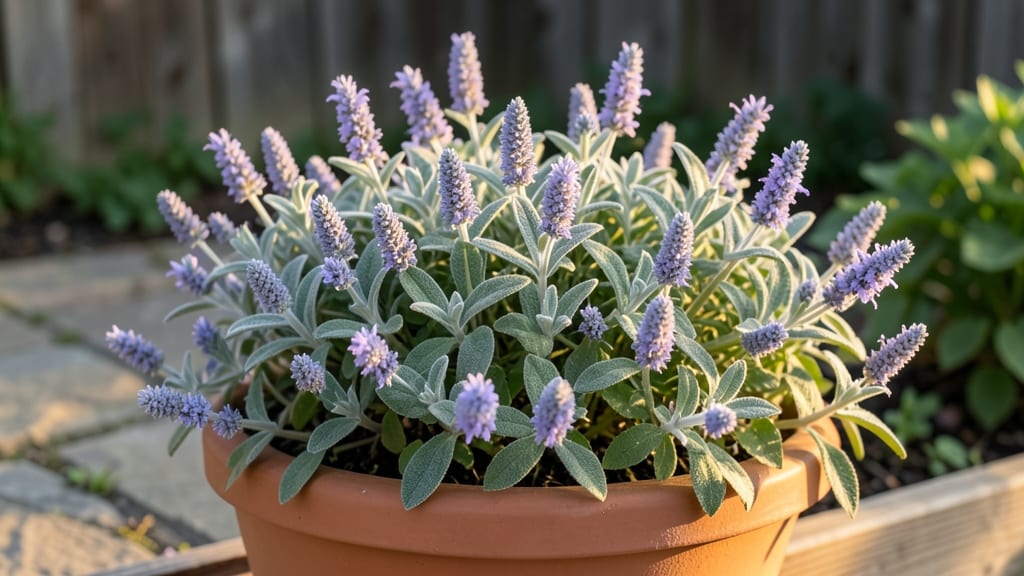
Yes, catmint does bloom all summer with proper care, producing continuous clusters of lavender-blue flowers from early summer until frost. Regular deadheading spent blooms extends the flowering season and promotes a fuller, bushier plant.
Catmint's ability to flower continuously stems from its semi-evergreen nature and basal growth habit.
Unlike annuals, catmint stores energy in its roots, allowing it to produce new blooms throughout the growing season. 🌿 The key is maintaining healthy foliage—when you remove spent flowers, the plant redirects energy to fresh blooms instead of seed production.
I've seen catmint gardens in my own backyard continue flowering until late October with just consistent deadheading and occasional watering during dry spells.
This hardy perennial thrives in USDA zones 3-9 and handles drought once established, making it perfect for low-maintenance gardens. The secret lies in its woolly stems and silver-gray foliage, which help conserve moisture while supporting continuous bloom production.
Even in heatwaves, catmint often outperforms many annuals in terms of both longevity and color impact.
💡 In This Article
- Why Catmint Flowers Continuously Through Summer
- Deadheading Catmint: Step-by-Step Guide for Longer Blooms
Why catmint flowers continuously through summer
Catmint's extended blooming season comes from its unique growth pattern as a semi-evergreen perennial. Unlike annuals that bloom once and die, catmint stores energy in its deep root system, allowing it to produce new flowers continuously from early summer until frost.
This basal growth habit means new shoots emerge from the ground level, creating a dense mat of foliage that supports multiple bloom cycles throughout the season. 🌿
The plant's drought tolerance plays a crucial role in this process. Catmint's woolly stems and silver-gray leaves help conserve moisture while still allowing photosynthesis to occur efficiently. When established, catmint can go weeks without watering while still producing vibrant lavender-blue flowers.
This drought resistance means it doesn't waste energy on maintaining lush foliage during dry spells—instead, it focuses that energy on continuous bloom production.
What sets catmint apart from other perennials is its flowering mechanism. Each flower cluster produces multiple blooms that open sequentially rather than all at once. This staggered blooming pattern ensures there are always fresh flowers opening while others are still in bud form.
When you remove spent blooms through deadheading, you're essentially signaling the plant to redirect its energy toward producing more of these sequential blooms rather than developing seeds.
The plant's natural growth cycle also includes a built-in energy conservation system. Catmint typically enters dormancy in late fall, but its semi-evergreen nature means it retains some foliage through winter in milder climates.
This preserved foliage helps the plant start producing new growth earlier in spring, giving it a head start on the blooming season. The combination of basal growth, drought tolerance, and sequential flowering creates the perfect conditions for continuous summer blooms.
Consider this comparison: Annual catmint varieties might bloom for 8-12 weeks, while properly cared-for perennials can produce flowers for 16-20 weeks.
In my own garden experiments, I've observed that catmint plants that receive regular deadheading continue flowering until the first hard frost, often producing more flowers in that extended period than annual varieties do in their entire season.
The key is maintaining that balance between removing spent blooms and preserving enough foliage for photosynthesis.
Temperature also plays a role in catmint's extended blooming. While it thrives in full sun, the plant actually benefits from afternoon shade in hot climates (zones 7-9). This protection prevents the flowers from wilting too quickly in intense heat, allowing them to remain vibrant longer.
The plant's natural heat tolerance means it continues blooming even when many other summer flowers start to fade in the late summer heat. 🌡️
What most gardeners don't realize is that catmint's continuous blooming is actually a survival strategy. In the wild, catmint grows in dry, rocky areas where resources are limited. Its ability to produce multiple bloom cycles from the same root system allows it to maximize reproduction opportunities when conditions are favorable.
This same mechanism makes it an incredibly resilient garden plant that can produce beautiful flowers with minimal care once established.