
Plants
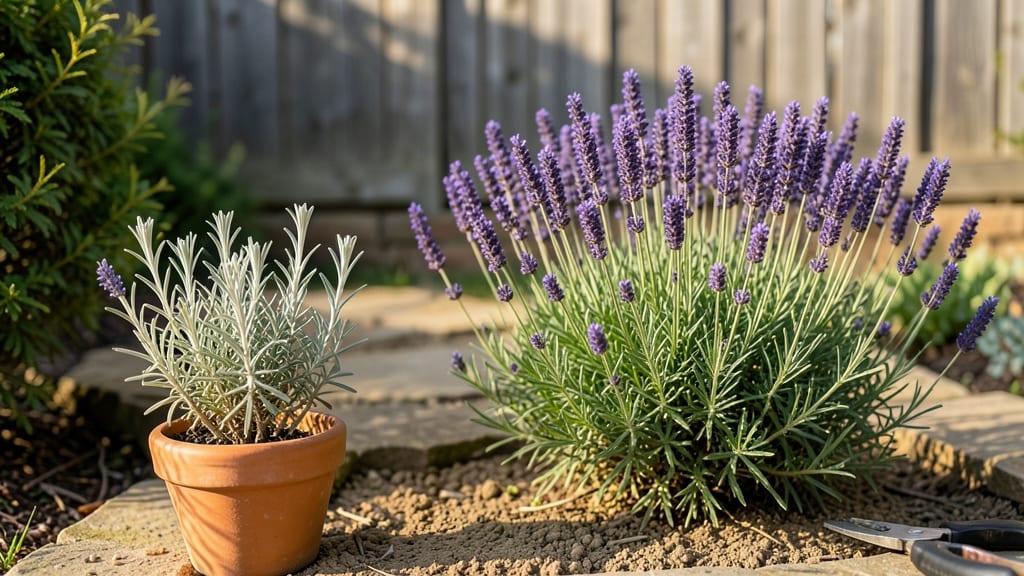
Does lavender like shade—or does it actually struggle when deprived of sunlight, leaving many gardeners puzzled about the best conditions for this fragrant favorite?
If you’ve ever planted lavender in a shady corner and watched it stretch, pale, and refuse to bloom, you’re not alone. The truth is, lavender 🌿 craves sunlight, but with the right tweaks, you can still coax it into producing fragrant blooms—even in less-than-ideal light.
This Mediterranean native needs at least 6 hours of direct sun daily to stay healthy, but partial shade can work if you adjust soil, watering, and even its location.
Below, I’ll break down how much shade lavender can handle, what happens when it doesn’t get enough light, and the best ways to keep it happy—whether in your garden or containers.
You’ll learn the key signs your lavender is suffering from too little sun, how to fix common problems, and whether it’s worth the effort to grow it in shadier spots. Let’s dive in!
 Best Window Placement
How much sun does lavender really need to survive?
Lavender isn’t just a pretty face in the garden—it’s a sun-worshipper with a biological need for full sunlight. Native to Mediterranean climates, this hardy herb thrives where the sun shines brightest.
Studies show lavender exposed to 6-8+ hours of direct sun daily produces 30% more flowers and stronger fragrance than shade-grown plants. Without enough light, its growth stalls, and those signature purple blooms become sparse or disappear entirely.
At its core, lavender’s love for sun boils down to photosynthesis efficiency. The plant’s silver-green foliage is adapted to reflect heat and maximize sunlight absorption, which is critical for its survival in arid conditions.
When deprived of adequate light, lavender shifts energy from flowering to mere survival, leading to leggy stems and weak, sparse growth. The science is clear: sunlight = energy, and lavender demands plenty of it.
Here’s the hard truth: Lavender in shade doesn’t just underperform—it struggles to survive long-term. While some varieties might eke out a living with 4 hours of partial shade, they’ll never reach their full potential.
For example, English lavender (Lavandula angustifolia), the most popular type, requires at least 6 hours of sun to thrive. Skimp on light, and you’ll end up with a woody, unproductive shrub instead of the fragrant, blooming beauty you planted.
The minimum sunlight threshold for lavender survival is 4 hours of direct sun daily, but this is the bare minimum—like feeding a child nothing but crackers. In reality, lavender craves 6+ hours of sunlight to thrive.
For example, in USDA Zone 7, lavender planted under dappled shade from trees may survive but will produce only 20% of the flowers compared to full-sun counterparts.
The key metric isn’t just hours of light but light intensity—lavender needs bright, unfiltered sunlight, not the diffused light of a shady corner.
Let’s talk regional realities. In southern climates (Zones 8-10), lavender can handle afternoon shade to avoid heat stress, but morning sun is non-negotiable. Meanwhile, in northern climates (Zones 4-6), where sunlight is weaker and shorter, lavender may need 8+ hours of sun just to compensate.
The rule of thumb: More shade = more struggle. Even a 2-hour reduction in sunlight can cut flowering by 40%, according to horticultural research.
What happens when lavender doesn’t get enough sun? The symptoms are tell-tale and troubling. First, you’ll notice stretched, weak stems reaching for light—a classic sign of etiolation. Next, the leaves turn pale or yellowish, lacking the silver-blue hue that defines healthy lavender.
Worst of all, the flower buds fail to develop, leaving you with a bare, woody shrub that’s all stem and no show. In extreme cases, lavender in deep shade may develop fungal issues due to high humidity retention in its dense foliage.
But here’s the silver lining: Lavender is resilient, and with the right light adjustments, you can salvage struggling plants. If your lavender is in partial shade, try relocating it to a sunnier spot during its dormant season (late fall/winter).
Alternatively, prune back overgrown branches to encourage new, sun-seeking growth. For container-grown lavender, move pots to south-facing patios or balconies where they can soak up reflected sunlight from nearby walls or pavement.
If you’re deadset on growing lavender in shade, focus on dwarf varieties like Lavandula angustifolia 'Hidcote', which tolerate 3-4 hours of sun better than standard types. Even then, expect sparse blooms and slower growth.
The bottom line? Lavender isn’t a shade plant—it’s a sun plant with high light requirements. While it might survive in partial shade, it’ll never shine (literally) like it does in full sun.
So, unless you’re okay with a fragrant but flower-sparse shrub, give your lavender the sunlight it craves—your nose (and your garden’s beauty) will thank you.
🌿
Can lavender grow in partial shade? Practical tips for shady gardens
Lavender is famously sun-loving, but that doesn’t mean it’s impossible to grow in partial shade. While 6-8 hours of full sun is ideal, some varieties can tolerate 3-4 hours of direct light if given the right conditions.
The key lies in understanding how to compensate for limited sunlight with soil, spacing, and companion plants. Let’s explore how to make lavender thrive even in shadier spots.
First, recognize that partial shade isn’t created equal. Morning sun with afternoon shade (like under tall trees) works better than deep shade all day.
In northern climates (USDA Zones 3-5), lavender may need extra sun to survive winter, while Mediterranean climates (Zones 7-9) can stretch partial shade slightly further. Always prioritize well-draining soil—lavender hates soggy roots, whether in sun or shade.
🌱 5 Key Strategies for Partial Shade Success
- 1. Amend soil with 50% perlite/sand to improve drainage and light penetration.
- 2. Choose dwarf varieties like 'Hidcote' or 'Munstead'—they handle shade better than tall types.
- 3. Plant in containers with south-facing exposure to maximize sunlight hours.
- 4. Pair with tall plants (e.g., roses or hollyhocks) to create microclimates with reflected light.
- 5. Prune lightly to encourage airflow and compact growth, reducing shade self-cast by the plant.
For container gardening, select pots with light-colored surfaces to reflect extra sunlight onto the roots. Place containers on patios or decks where they can catch reflected light from nearby buildings or fences.
If your yard has deep shade from trees, consider pruning branches strategically in late winter to open up the canopy for 2-3 extra hours of sun during peak growing months.
Companion planting can also boost light exposure. Tall, sun-loving perennials like coneflowers or black-eyed Susans create "light tunnels" that redirect sunlight downward. Avoid planting lavender near dense shrubs or evergreens, which block light year-round.
In urban gardens, place lavender near south-facing walls or fences—the reflected heat can mimic extra sunlight.
Regional tweaks matter: In Pacific Northwest gardens, lavender in partial shade may need supplemental grow lights during winter months to prevent leggy growth. Meanwhile, in hot, dry climates, afternoon shade protects lavender from scorching heat while still allowing morning sun for photosynthesis.
Always monitor your plants—yellowing leaves or sparse blooms are clear signs they need more light.
Remember, partial shade is a compromise, not an ideal. Lavender grown in shade will produce fewer flowers and weaker fragrance than sun-grown plants. But with these adjustments, you can still enjoy healthy, aromatic lavender—even in trickier spots.
Start small, experiment with varieties, and don’t hesitate to relocate plants if they struggle. Your garden’s shade spots can still be lavender-friendly with the right approach! 🌿