
Light Requirements
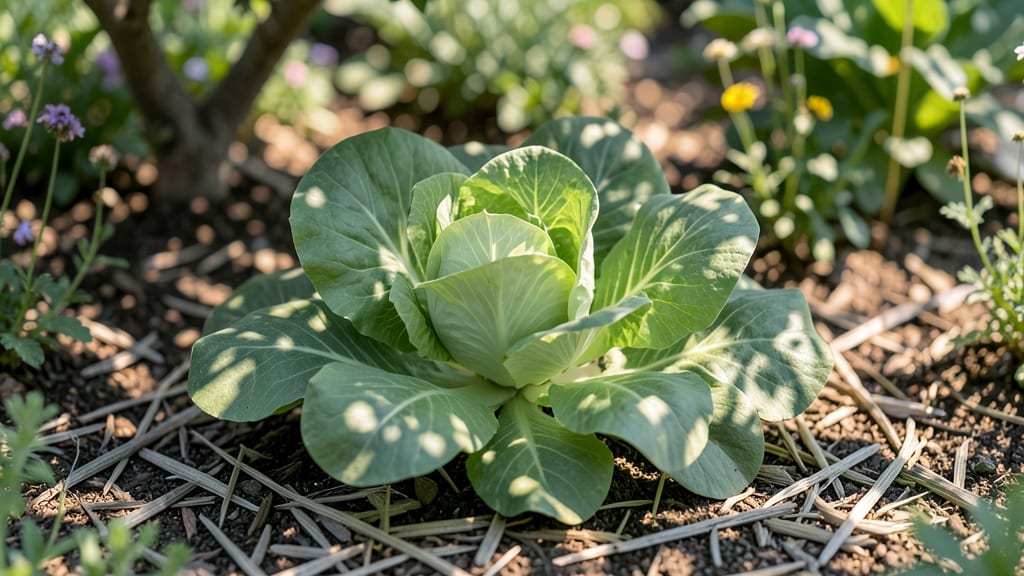
Does lettuce need shade to stay crisp and sweet—or will it bolt in the wrong conditions?
Struggling with bitter-tasting lettuce or watching your plants bolt too soon? Getting the light balance right is the key to crisp, sweet leaves—and preventing early flowering.
Most varieties need just 3–6 hours of sunlight daily, with afternoon shade in hotter climates like USDA Zone 6a. That means morning sun works best, while harsh afternoon rays can stress your plants.
Below, I’ll break down how to adjust shade for your garden, whether you’re planting in spring or fall, and how to spot when your lettuce is getting too much—or too little—sun.
 Best Window Placement
How much sunlight does lettuce actually need for optimal growth?
Lettuce thrives when given the right balance of sunlight—too much can make it bitter, while too little causes leggy, weak plants.
The key is understanding your variety's needs and adjusting for your climate. Leaf lettuce, romaine, and butterhead all have slightly different light preferences, but none tolerate full sun all day.
Let’s break down the ideal light exposure for each type to keep your lettuce crisp, sweet, and ready to harvest.
Most lettuce varieties prefer 3 to 6 hours of sunlight daily, with morning sun being gentler than harsh afternoon rays. This range prevents bolting (when lettuce flowers prematurely) while ensuring leaves stay tender.
In hotter climates, even partial shade (like dappled sunlight) can be ideal during peak summer months. The trick is mimicking natural forest conditions where lettuce originally grew—bright but filtered light.
Here’s how different lettuce types handle sunlight, along with seasonal adjustments to keep your plants happy year-round:
For leaf lettuce varieties, 3–4 hours of sunlight is perfect—they’re the most shade-tolerant and can even grow under dappled sunlight in forests. This makes them ideal for container gardens on patios or under fruit trees.
However, if you notice leaves turning yellow or stretching toward the light, they’re craving more brightness. In summer, I often move my containers to a spot with morning sun and afternoon shade to prevent bolting.
Romaine lettuce is the most sun-loving type, needing 4–6 hours daily to develop its signature crisp texture. It’s also more heat-tolerant than other varieties, but even romaine will bolt if exposed to consistent afternoon sun during heatwaves. To fix this, I use a 30% shade cloth during peak summer afternoons (12 PM–4 PM). This simple trick can extend your harvest by weeks.
If you’re growing butterhead lettuce, think of it as the diva of the lettuce world—it demands gentle light. These varieties need only 3–5 hours of sunlight and will quickly turn bitter or bolt if exposed to too much heat.
I’ve found that planting butterhead in east-facing beds or under the shade of a pergola works best. In containers, place them near a window with sheer curtains to diffuse the light.
Seasonal adjustments are critical for lettuce growth. In spring and fall, lettuce can handle more sunlight (up to 6 hours), but in summer, even partial shade becomes essential. I’ve seen lettuce bolt in just 10 days during a heatwave—so don’t wait until you notice the problem.
Use a shade cloth or adjust planting times to avoid the hottest part of the day. For example, in Zone 7, I start my summer lettuce in late August to catch cooler fall temperatures.
One common mistake is assuming all lettuce needs full shade. While shade helps prevent bolting, too little light leads to weak, pale leaves that taste bland. The solution? Find a balanced spot with morning sun and afternoon shade.
If your garden lacks natural shade, create it with tall companion plants like sunflowers or corn, or use DIY shade structures like a simple frame with cheesecloth. Even a white umbrella can work in a pinch!
Pro tip: Pay attention to your lettuce’s growth pattern. If leaves are curling or turning yellow at the edges, it’s often a sign of too much sun. Conversely, if they’re stretching upward with sparse leaves, it’s under-sun.
Adjust your setup weekly based on these visual cues, and you’ll keep your lettuce in peak condition from seed to salad bowl. With the right light balance, you can enjoy crisp, sweet lettuce for months—no bitterness or bolting in sight!
Signs your lettuce isn’t getting the right light exposure
If your lettuce leaves are turning bitter or your plants are sending up flower stalks too soon, your light exposure is likely off. Lettuce thrives in partial shade, but too much or too little sun can ruin your harvest.
Watch for these visual cues to diagnose the issue and adjust your garden setup.
Over-sun exposure often shows up as yellowing leaves with crispy edges, while under-sun results in leggy, pale growth. The key is finding that sweet spot—about 3-6 hours of sunlight daily—where leaves stay tender and crisp. Let’s break down the signs and solutions for each scenario.
✅ Lettuce Light Checklist
- Perfect Light: Crisp, dark green leaves, no yellowing, no flower stalks
- Too Much Sun: Yellow/brown edges, bitter taste, bolting (flowering)
- Too Little Sun: Pale, leggy growth, small leaves, slow growth
💡 Fix It: Use shade cloth (30-50%) for hot afternoons or move containers to morning sun spots.
For over-sun exposure, your lettuce may develop brown or crispy leaf edges—a classic sign of sunburn. If you’re growing in hot climates, afternoon sun can push lettuce to bolt prematurely, turning sweet leaves bitter.
Try 30-50% shade cloth during peak hours (11 AM–3 PM) to protect your plants while still allowing enough light for growth.
On the flip side, under-sun exposure leads to pale, stretched-out leaves that lack flavor. If your lettuce is growing leggy and sparse, it’s craving more light. Rotate containers or move them to a sunnier spot—even a south-facing window or east-facing garden bed can make a difference.
For container gardens, consider a sunlight tracker to ensure even exposure.
Seasonal adjustments are key, too. In summer heat, lettuce needs afternoon shade to prevent bolting, while spring and fall offer gentler light conditions.
If you’re planting in late summer or early fall, opt for heat-tolerant varieties like romaine or oakleaf, which handle slightly more sun than delicate butterhead lettuce.
Pro tip: Harvest outer leaves first to encourage bushier growth, and always water deeply in the morning to keep soil moist without inviting pests. With the right light balance, your lettuce will stay crisp, sweet, and ready to harvest for weeks. 🥬