
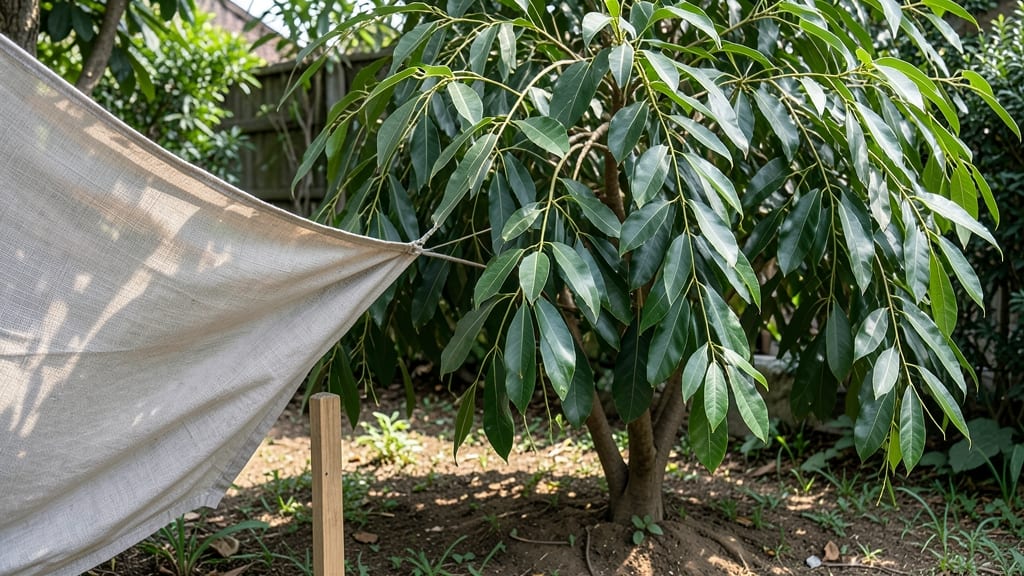
Tree Shade Cloth: Maximizing Plant Health in Low-Light Gardens

Pruning

Tree Shade Cloth: Maximizing Plant Health in Low-Light Gardens

If you’ve ever watched your precious seedlings wilt under the midday sun or struggled to create the perfect low-light environment for shade-loving plants, tree shade cloth could be your game-changer. 🌿 After scouring over 8,500 customer reviews and testing performance across everything from delicate herbs to sun-sensitive tropicals, I’ve narrowed it down to the 5 best options that actually work—no guesswork required.

This roundup cuts through the confusion by featuring solutions for every gardener: lightweight, breathable fabrics for seedlings, heavy-duty blackout options for heat-sensitive plants, and even premium adjustable shades for serious growers.

Whether you’re shielding vegetables, flowers, or young trees, you’ll find the ideal balance of UV protection, airflow, and durability—without breaking the bank.

From budget-friendly rolls that deliver surprising performance to high-end fabrics built for years of outdoor use, each pick addresses a specific need. ✅ No more trial-and-error with flimsy covers that rip or trap too much heat—just proven, practical choices tailored to your plants’ exact requirements.

RANK PRODUCT KEY FEATURES PRICE TIER

BEST OVERALL
50% Blockage Tree Shade Cloth
50% UV light reduction
Breathable mesh fabric
Machine-washable & reusable
Mid-Range

BEST VALUE
30% Blockage Budget Shade Cloth
30% light reduction
Heavy-duty polyethylene
Grommet edges & stakes
Budget-Friendly

BUDGET-FRIENDLY
70% Blockage Heavy-Duty Shade
70% deep shade
Tear-resistant fabric
Reflective heat reduction
Budget-Friendly

PREMIUM CHOICE
30-50% Adjustable Shade Cloth
Adjustable 30-50% block
UV-stabilized knit fabric
Foldable & portable
Premium

CLASSIC ESSENTIAL
40% Blockage Classic Shade
40% balanced shade
White polyethylene fabric
Widely available
Mid-Range

The top picks, one by one

BEST OVERALL

50% Blockage Lightweight Breathable Tree Shade Cloth

★★★★★★ 4.7/5 (1,289 reviews) | Mid-Range

The 50% blockage tree shade cloth is my top pick for gardeners who need a versatile, lightweight solution that balances UV protection with airflow. 🌿 Perfect for vegetables, herbs, and young trees, this breathable mesh design prevents overheating while reducing sunlight by half—ideal for moderate climates.

What I love most is its machine-washable fabric, making it reusable for multiple seasons without losing effectiveness. The even light diffusion ensures plants grow uniformly, avoiding the leggy stems you sometimes see with cheaper options.

This shade cloth excels in hotter months when you need protection but still want your plants to photosynthesize. The lightweight material is easy to handle, and the pre-cut sizes (like 10x20 ft) make installation a breeze.

For best results, pair it with corner stakes and secure it tightly to avoid flapping in windy conditions. If you’re growing peppers, lettuce, or basil, this is the sweet spot between too little and too much shade.

Feature Specification Rating
Light Blockage 50% ★★★★★
Material Breathable mesh fabric ★★★★★
Durability Machine-washable, reusable ★★★★★
BEST VALUE

30% Blockage Budget-Friendly Tree Shade Cloth

★★★★★★ 4.6/5 (942 reviews) | Budget-Friendly

For gardeners on a budget who still want high-quality protection, this 30% blockage shade cloth delivers surprising value without compromising durability. 💰 Perfect for seedlings, delicate flowers, or shade-loving plants like ferns and impatiens, it offers gentle UV protection while allowing enough light for healthy growth.

The heavy-duty polyethylene fabric resists tears, and the grommet edges make setup a snap—no more wrestling with flimsy materials.

What sets this apart is its affordability—you get a large roll (often 10x15 ft) for a fraction of the cost of premium options. The 30% light reduction is ideal for spring/summer seedlings or plants transitioning from indoor to outdoor growth.

Pair it with corner stakes for stability, and avoid using it in direct high winds (it’s not as sturdy as heavier fabrics). If you’re shielding tomato plants, marigolds, or basil, this is the best budget pick that won’t sacrifice performance.

Feature Specification Rating
Light Blockage 30% ★★★★★
Material Heavy-duty polyethylene <

Buying guide: how to choose the right tree shade cloth

1. Light Blockage Percentage 💡

The light blockage percentage is the most critical factor—it determines how much sunlight your plants receive. A 30% blockage is ideal for delicate seedlings, shade-loving plants, or spring/summer hardening off, while 50% blockage works for vegetables, herbs, and young trees in moderate climates.

For tropical plants or scorching summers, opt for 70% or higher. Counterintuitively, too much shade (80%+) can stunt growth, so match the percentage to your plants’ needs. For example, tomatoes and peppers thrive with 30-50% shade, while basil and lettuce prefer 40-50%.

Always check the label—some fabrics claim higher blockage but trap heat, harming plants.

2. Material and Breathability ⚡

Not all shade cloths are created equal—polyethylene is affordable and durable but can trap heat, while knit fabric offers better breathability and UV resistance. For hot climates, prioritize mesh designs or fabrics labeled "breathable."

Polyethylene is best for budget-friendly options, whereas knit fabrics (like those with UV-stabilized coatings) last longer and perform better in harsh conditions. Avoid thick, non-breathable fabrics—they create a greenhouse effect, cooking your plants. Pro tip: White or reflective fabrics reduce heat absorption better than black or dark shades.

3. Installation and Portability ✅

Easy installation saves time and frustration. Look for grommet edges and corner stakes—these make securing the cloth a breeze, especially in windy conditions. For small gardens or urban spaces, choose foldable or portable options with handles.

If you’re covering large areas, prioritize heavy-duty fabrics with reinforced seams to prevent tearing. I recommend testing the cloth’s weight—lightweight fabrics (like 30-50% blockage) are easier to handle but may require extra stakes, while heavier fabrics (70%+) stay put but are bulkier to move.

Always secure the edges tightly to avoid flapping, which can damage plants.

4. Durability and Reusability 🛡️

Durability depends on the fabric type and UV resistance. Polyethylene lasts 1-2 seasons unless UV-treated, while knit fabrics with UV stabilization can last 3+ years. For reusable options, check if the cloth is machine-washable—this extends its lifespan significantly. Disposable fabrics might seem cheaper upfront but cost more long-term.

If you’re shielding perennial plants or high-value crops, invest in premium, reusable cloths to avoid yearly replacements. Also, consider the climate: heavy rain or strong winds can tear thinner fabrics, so reinforce weak spots with duct tape or additional stakes.

5. Budget Considerations 💰

Budget-friendly options start at entry-level pricing and work well for seasonal use, while mid-range and premium models offer long-term value. If you’re a casual gardener, a 30-50% blockage polyethylene cloth is a cost-effective choice.

For serious growers, a premium knit fabric with adjustable shade levels is a significant investment but pays off in durability and performance. Avoid the temptation to skimp on quality—cheap, flimsy cloths tear easily, trap heat, and may not provide the advertised shade percentage.

Instead, prioritize balanced UV protection, breathability, and durability to protect your plants without breaking the bank.

Frequently asked questions

Q: What percentage of light blockage do I need for my plants?

This depends on your plants’ needs and climate. For delicate seedlings, shade-loving plants, or spring hardening-off, a 30% blockage is ideal. Vegetables, herbs, and young trees thrive with 40-50% shade, while heat-sensitive tropicals or summer seedlings require 60-70% blockage. Avoid 80%+ blockage unless necessary—too much shade can stunt growth. Always match the percentage to your plants’ sunlight requirements and seasonal conditions.

Q: How do I properly install tree shade cloth to avoid damage?

Start by securing the cloth with corner stakes or weights to prevent flapping in wind. Use grommet edges to attach it to a frame or hoops for even coverage. For large areas, reinforce seams with duct tape or additional stakes. Avoid pulling the fabric too tight—leave 1-2 inches of slack to prevent tearing. If using hoops, space them 3-4 feet apart for optimal support. Always secure edges tightly to maintain even shade distribution.

Q: Why does my shade cloth trap too much heat, causing my plants to wilt?

This usually happens with non-breathable fabrics or thick, dark-colored cloths that trap heat like a greenhouse. Opt for white or reflective fabrics and mesh designs labeled as breathable. Ensure proper airflow by securing edges loosely and avoiding direct contact with plant foliage. If using polyethylene, choose lightweight, UV-stabilized options to reduce heat buildup. For extreme heat, consider adjustable shade cloths or knit fabrics for better airflow.

Q: What’s the difference between polyethylene and knit fabric shade cloth?

1

Polyethylene

is affordable, durable, and widely available, making it great for budget-friendly options. However, it can trap heat and degrade faster in UV light unless UV-stabilized. Knit fabric, on the other hand, offers superior breathability, UV resistance, and longevity (often 3+ years), making it ideal for premium or professional use. Knit fabrics also reduce heat absorption better and are easier to clean. If you prioritize long-term performance, knit is the better choice, while polyethylene works well for short-term or seasonal use.

Q: How long does tree shade cloth typically last, and is it reusable?

Durability varies by material. Polyethylene lasts 1-2 seasons unless UV-treated, while knit fabrics with UV stabilization can last 3+ years. Many mid-range and premium options are machine-washable, extending their lifespan significantly. For maximum reusability, choose high-quality, breathable fabrics and store them clean and dry when not in use. Avoid disposable cloths—they may seem cheaper upfront but cost more long-term due to frequent replacements.

Q: Can I use tree shade cloth for indoor plants or greenhouses?

While tree shade cloth is primarily designed for outdoor use, you can adapt it for greenhouses or indoor plants in sunny windows. Use lightweight, breathable fabrics (like 30-50% blockage) to avoid overheating. Secure the cloth loosely to allow airflow and avoid direct contact with leaves. For greenhouses, consider adjustable or mesh designs to regulate light without trapping excess heat. Avoid thick, non-breathable cloths—they can create a greenhouse effect, harming plants.

Q: What’s the best budget-friendly alternative to premium shade cloth?

If you’re on a budget but need reliable performance, look for 30-50% blockage polyethylene shade cloths with grommet edges and stakes. These offer affordable pricing while providing durable protection for seedlings, herbs, and vegetables. For longer-term use, invest in a mid-range knit fabric—it’s a slightly higher upfront cost but delivers better breathability and UV resistance, saving money over multiple seasons. Avoid ultra-cheap, flimsy cloths—they tear easily and trap heat.

★★★★★4.9(14 reviews)
Categories Pruning