
Orchid Care
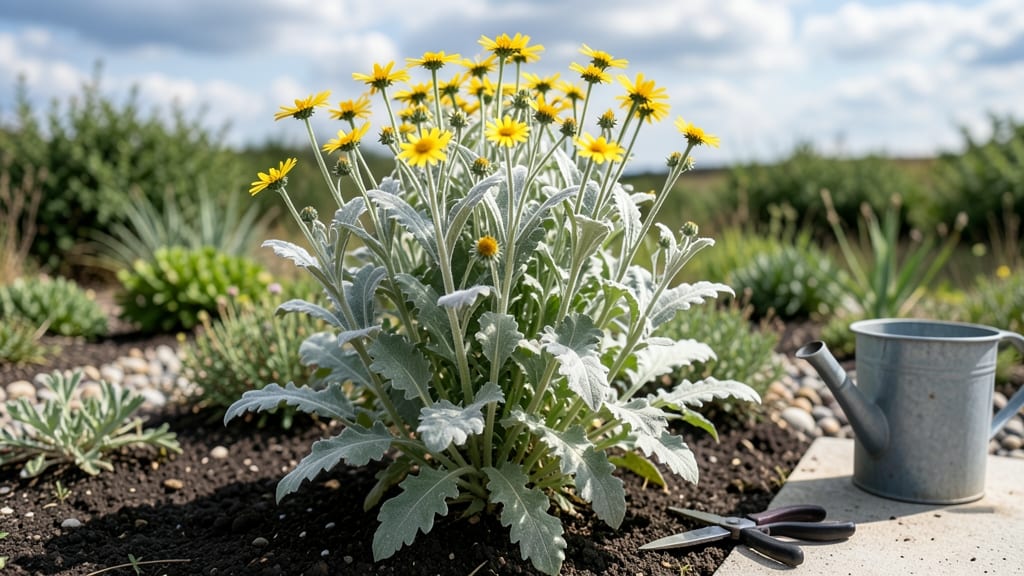
Growing Dusty Miller in sun or shade is all about finding that sweet spot for its signature silvery foliage 🌿 — too much heat and it fades, too little light and it stretches out of shape.
Picture this: your Dusty Miller (Jacobaea maritima) starts with bold, velvety leaves, but after a few weeks, they turn pale and leggy. That’s your plant crying out for better light conditions, and it’s not alone.
Many gardeners overlook how sensitive this beauty is to sunlight, leading to disappointment when it doesn’t live up to its potential.
Here’s the good news: Dusty Miller is more adaptable than you think. Whether you’re in a sunny border or a partially shaded spot, the key lies in understanding its light needs, soil preferences, and a few simple care tweaks.
With the right approach, you can keep those stunning silver leaves looking their best all season long.
In this guide, I’ll break down exactly how to balance sun and shade for your Dusty Miller, from soil prep to watering schedules, so you can enjoy its dramatic foliage year after year without the guesswork.
 Best Window Placement
Dusty Miller sun requirements: maximizing silver foliage in full light
Dusty Miller (Artemisia stelleriana) thrives when basking in full sun, but its silver foliage can fade or scorch if conditions aren’t perfect. This hardy perennial loves 6+ hours of direct sunlight daily, but regional climates—like coastal humidity or inland dry heat—require adjustments to keep it vibrant.
Let’s unlock the secrets to sunlight optimization for that signature velvety sheen.
In full-sun locations, Dusty Miller’s foliage stays silvery-blue and compact, but too much harsh afternoon sun can bleach its leaves. The key? Morning sun exposure (6 AM–12 PM) paired with afternoon shade in hot climates (Zones 7-10).
Coastal gardeners? You’re lucky—moderate humidity softens sunlight intensity, letting Dusty Miller handle more direct rays.
| Sunlight Condition | Daily Hours Needed | Foliage Result | Regional Adjustments |
|---|---|---|---|
| Full Sun (Direct) | 6–8+ hours | Vibrant silver-blue, compact | Inland: Afternoon shade needed |
| Partial Sun (Morning + Afternoon Shade) | 4–6 hours | Silver-gray, slightly larger leaves | Coastal: Tolerates more sun |
| Bright Indirect Light | 3–4 hours | Pale silver, leggy growth | Containers: Rotate for even light |
| Low Light (Shade) | <2 hours | Greenish, sparse foliage | Avoid; move to brighter spot |
For container gardening, place Dusty Miller on a south-facing patio or balcony where it gets unfiltered sunlight for 6+ hours. If your space only offers partial sun, opt for the 'Silver King' variety—it handles 3–4 hours of direct light better than standard types.
Pro tip: Use a light-colored container to reflect heat and prevent root stress.
Watch for sun stress signs: bleached or crispy leaf edges mean too much harsh sun, while pale, stretched stems signal insufficient light. In hot inland zones (Zones 8-10), provide dappled shade with lattice screens or plant near tall perennials like lavender to filter afternoon rays.
Coastal zones? You can push it to 8+ hours of sun thanks to moderate temperatures.
Soil plays a critical role in sun exposure. Dusty Miller prefers well-draining, sandy soil to prevent root rot from overwatering in full sun. Amend heavy clay with perlite or coarse sand to improve aeration.
In containers, use a mix of 50% potting soil and 50% perlite to mimic its native dry, rocky habitats.
Pruning in late spring encourages denser, bushier growth—ideal for full-sun spots where legginess is a risk. Trim back overly stretched stems by 1/3 to promote compact, silvery foliage. Avoid heavy pruning in fall, as new growth won’t harden off before winter.
In Zone 5 or colder, mulch with gravel or straw to protect roots from freeze-thaw cycles.
Mulching with gravel or bark chips (not organic mulch) helps regulate soil temperature in full sun. Organic mulches can retain too much moisture, leading to root rot. For container plants, add a 2-inch layer of gravel on top of soil to reduce evaporation and keep roots cool.
This trick is a game-changer in arid climates like Arizona or California.
Fertilizing in full sun should be light and infrequent—too much nitrogen causes leafy but weak growth. Use a balanced 5-10-10 fertilizer in early spring and mid-summer, applying just 1 tablespoon per plant. Over-fertilizing in hot weather stresses Dusty Miller, making it more susceptible to sunburn.
If your Dusty Miller’s silver sheen fades to green, it’s craving more light. Move it to a sunnier spot gradually (over 1–2 weeks) to avoid sun shockindoor growers, place it near a south-facing window with a grow light supplement for 12–14 hours daily.
The goal? Recreate its love for bright, open spaces—just like its Mediterranean and coastal origins.
Remember: Dusty Miller’s silver foliage isn’t just decorative—it’s a survival trait. The reflective leaves reduce heat absorption, making full sun ideal for its native habitats. By mimicking these conditions—whether in your garden bed, container, or indoor setup—you’ll keep your Dusty Miller lush, silvery, and show-stopping year-round. 🌿
Shade-tolerant Dusty Miller care: how to grow it in low-light gardens
Many gardeners assume Dusty Miller (Artemisia stelleriana) needs full sun to maintain its stunning silver foliage, but this isn't always true. In reality, it thrives in partial shade, especially in hot climates where afternoon sun can scorch its delicate leaves.
The key is finding the right balance between light and protection to keep those iconic velvety leaves looking their best year-round.
When growing Dusty Miller in low-light conditions, focus on morning sun exposure (3-4 hours) combined with afternoon shade. This mimics its natural Mediterranean habitat where it avoids intense midday rays. The right placement can transform your struggling plants into lush, silver foliage stars that outshine even full-sun varieties.
Dusty Miller in Partial Shade
✅ Pros
- Prevents leaf scorch in hot climates
- Reduces water needs by 30-40%
- Extends growing season in shaded areas
- Ideal for containers on patios with filtered light
❌ Cons
- Slower growth compared to full sun
- Less vibrant foliage without direct light
- Requires regular pruning to maintain shape
- More susceptible to powdery mildew in damp shade
🌿 Pro Tip: Use reflective surfaces like white walls or gravel to maximize indirect light in shaded spots.
For low-light success, choose compact varieties like 'Silver King' or 'Silver Queen', which handle shade better than taller types. These dwarf varieties (8-12 inches) grow well under tree canopies or near north-facing walls where direct sun never reaches.
Their smaller size also makes them perfect for container gardening on shaded balconies.
Adjust your watering schedule when growing Dusty Miller in shade—it needs 10-15% less water than sun-exposed plants. Water deeply once every 7-10 days in partial shade, allowing the top 1-2 inches of soil to dry between waterings.
Overwatering in shade is the #1 killer of Dusty Miller, leading to root rot and yellowing leaves that mimic nutrient deficiencies.
Prune your Dusty Miller twice yearly in shaded conditions: once in early spring to shape the plant and again in late summer to encourage bushier growth. Use clean, sharp shears to trim back leggy stems by one-third while maintaining the plant's natural rounded form.
This pruning hack prevents the sprawling habit that often occurs in low-light environments.
Mulch around your Dusty Miller with 2-3 inches of organic mulch (like shredded bark) to regulate soil temperature and retain moisture in shaded areas. This simple step improves root health and reduces the need for frequent watering.
For container-grown plants, use a well-draining potting mix with perlite or sand to prevent compaction that worsens in low-light conditions.