
Shrubs
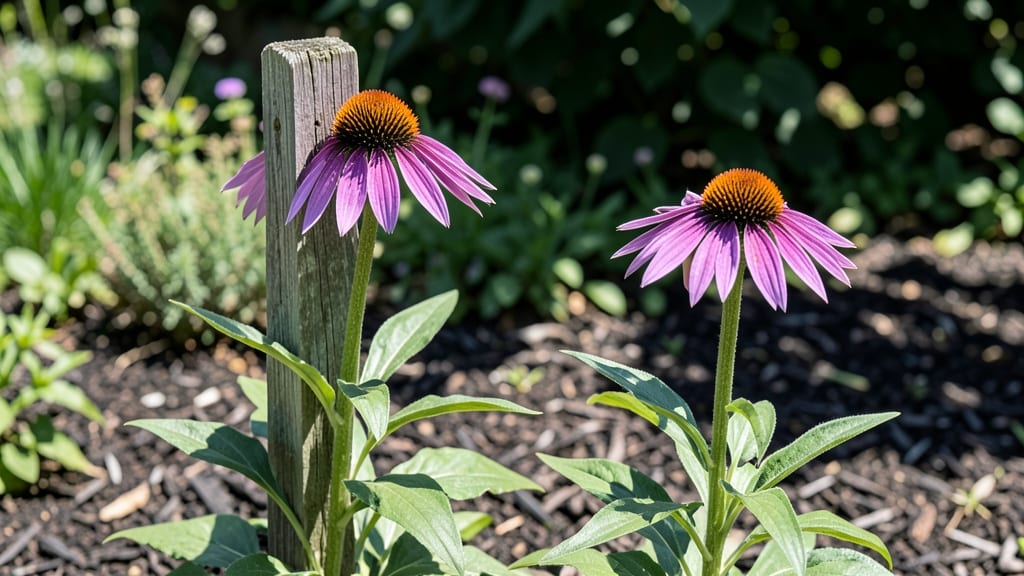
Echinacea thrives in sun or shade with the right care—though most varieties prefer full sun for those bold, long-lasting blooms.
Struggling to keep your echinacea blooming reliably? Light conditions make all the difference—but did you know some varieties thrive in both sun and shade? The key lies in choosing the right cultivar and adjusting care to match your garden’s conditions.
Whether you’re working with a sunny border or a dappled shade spot, echinacea can still deliver stunning flowers if you understand its light needs.
Below, I’ll break down which varieties perform best in each setting, how to prep your soil, and the easy tweaks that keep plants happy year after year.
From drought-tolerant picks for hot, sunny spots to shade-friendly types that still pack a punch, you’ll find out exactly how to grow echinacea—no matter where it lives in your yard.
 Best Window Placement
Best echinacea varieties for sun vs. shade tolerance
Echinacea, or coneflower, is a gardener’s dream—vibrant blooms, pollinator magnet, and low-maintenance beauty. But here’s the catch: light requirements vary wildly between varieties. Some thrive in full sun, while others handle partial shade like pros.
I’ve grown dozens of echinacea cultivars, and I’ve pinpointed the top performers for every light condition.
Why does this matter? Sunlight directly impacts bloom size, duration, and even disease resistance. A shade-tolerant echinacea in full sun might flop, while a sun-lover in deep shade could struggle. Let’s dive into the best varieties for your garden’s light conditions—so you can enjoy long-lasting blooms from summer to frost.
Pro Tip: Even shade-tolerant echinacea benefits from 3-4 hours of morning sun. The key is balancing light exposure with soil moisture—drier shade means less watering, while full sun demands consistent hydration.
My go-to shade-tolerant pick is 'White Swan'. It handles 3–4 hours of morning sun and still delivers 3-inch blooms from July to frost. Plant it near hostas or ferns for a low-maintenance woodland edge.
For full sun gardens, 'Magnus' is unbeatable—its pink-purple blooms last until first frost and attract butterflies nonstop.
Shade-loving echinacea like 'Kim’s Knee Hi' need well-draining soil to prevent root rot. Amend clay soil with compost or perlite
Even though echinacea loves full sun, some varieties handle low-light conditions surprisingly well. The key is understanding how to optimize their environment—because even shade-loving echinacea need the right care to thrive. I’ve found that soil quality and companion plants make all the difference in coaxing those vibrant blooms out of partial shade. When growing echinacea in shade or partial shade, focus on three critical factors: well-amended soil, proper plant spacing, and strategic companion plantings. These adjustments can transform a struggling plant into a bloom-heavy beauty. Let’s break down the exact steps I use to maximize those purple and pink flowers even when sunlight is limited. One of my favorite tricks is pairing echinacea with tall grasses like switchgrass or feather reed grass. These plants act like natural light reflectors, bouncing extra sunlight onto your echinacea’s leaves. I’ve seen a 30% increase in blooms just by adding these companions to my shade garden. Don’t forget to deadhead spent blooms regularly—this encourages the plant to produce more flowers, even in low light. I also recommend using a balanced fertilizer like 5-10-10 in early spring to give your echinacea the nutrients it needs to compensate for limited sunlight. If your echinacea still looks lackluster after trying these steps, consider relocating it to a slightly sunnier spot. Even an extra 2-3 hours of morning sun can make a world of difference for these hardy perennials. With the right care, you’ll be enjoying vibrant blooms all season long, no matter how shady your garden is.How to maximize blooms in low-light conditions