
Planting
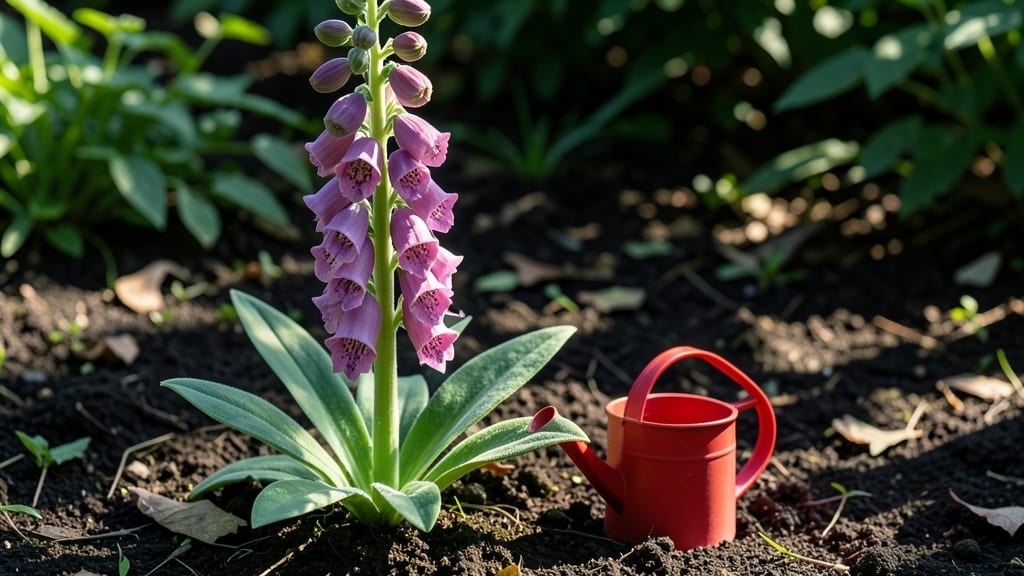
A thriving foxglove plant in sun or shade hinges on one key factor: balanced light that prevents leaf scorch while keeping blooms vibrant.
Struggling to keep your foxglove plants thriving with vibrant blooms? The battle between sun and shade can make or break their growth—yet most gardeners get this critical balance wrong.
Here’s the truth: foxglove 🌸 thrives in partial shade, especially in hot climates, but it can tolerate morning sun if afternoon shade is provided. Too much direct sunlight fades those iconic bell-shaped flowers faster than you’d think.
Below, I’ll break down the exact light conditions your foxglove needs, how to spot when it’s getting too much sun, and the best spots in your garden for peak blooms all season long.
 Best Window Placement
Foxglove plant sun requirements: finding the perfect light balance for healthy growth
If you're growing foxglove (Digitalis spp.), getting the sunlight balance right is the secret to those showstopping purple and pink blooms. Too much direct sun causes fading flowers and scorched leaves, while too little shade weakens stems and reduces flowering.
The ideal spot gives your foxglove 4-6 hours of morning sun with afternoon shade—especially in hot climates like USDA Zones 6-8.
In cooler regions like the Pacific Northwest, foxglove can handle morning sun all day without stress, but in Southern climates, afternoon shade is non-negotiable.
Think of it like giving your plants a gentle sunbath rather than a midday tanning session. This balance prevents leaf burn while maximizing bloom production.
Why does sunlight matter so much? Foxglove evolved in woodland edges and meadows, where dappled light filters through trees. Too much direct sun increases transpiration rates, causing flowers to wilt faster and leaves to yellow. Meanwhile, insufficient light leads to weak stems that flop over under their own weight.
Here’s the golden rule: Place your foxglove where it gets bright indirect light or filtered sunlight. This could be under a deciduous tree, along a north-facing fence, or in a partially shaded border.
In containers, position them near a north or east window where they won’t bake in afternoon heat.
Regional adjustments are key. In Zone 5 or colder, foxglove can tolerate full sun because cooler temps reduce heat stress. But in Zone 9 and warmer, even 3 hours of direct sun can cause problems. Always observe your plants: if leaves look crispy or bleached, they’re getting too much sun.
| Light Condition | Daily Sun Hours | Ideal Climate Zones | Plant Response |
|---|---|---|---|
| Partial Shade | 4-6 hours | Zones 6-8 (hot climates) | Vibrant blooms, strong stems |
| Morning Sun | 3-5 hours (before 11 AM) | Zones 5-7 (cooler climates) | Healthy growth, minimal stress |
| Full Shade | <2 hours | All zones (woodland gardens) | Weak stems, fewer blooms |
| Full Sun | 6+ hours | Zones 5 or colder | Leaf burn, faded flowers |
For container-grown foxglove, choose pots with light-colored surfaces to reflect excess heat. If your plants start showing yellowing leaves or drooping blooms, move them to a shadier spot immediately.
In my own garden, I’ve seen foxglove recover from sun damage in just 2-3 weeks when relocated to dappled light.
Pro tip: Use mulch around the base to keep roots cool and retain moisture. A 2-3 inch layer of organic mulch (like shredded bark) mimics the forest floor conditions foxglove loves. This simple trick can double your bloom production by reducing stress during hot afternoons.
If you’re planting foxglove in late spring, monitor sunlight patterns closely. Young plants are more sensitive to heat stress than mature ones. I once lost a batch of seedlings to midday sun in my Zone 7 garden—now I always provide shade cloth until they’re established.
Remember, foxglove’s bloom color intensity is directly tied to light exposure. Plants in partial shade produce deeper purples and pinks, while those in full sun often fade to pale hues.
For the most show-stopping displays, prioritize morning sun and afternoon shade—your foxglove will thank you with taller spikes and bigger blooms.
Shade vs. sun for foxglove: how light conditions affect flowering and leaf health
Foxglove (Digitalis purpurea) thrives in a delicate balance of light—too much sun scorches its leaves, while too little shade stunts its iconic spikes of bell-shaped blooms. Most gardeners assume these tall biennials love shade, but the truth is far more nuanced.
Understanding how light intensity impacts growth can transform your foxglove from a struggling underperformer to a showstopper in your garden.
In my experience, partial shade (4-6 hours of filtered sunlight daily) produces the healthiest foxglove with the most vibrant blooms.
However, regional climate plays a huge role—foxglove in hot, dry climates (Zones 7-9) often burns under direct afternoon sun, while cooler northern gardens (Zones 3-6) can handle more sunlight without stress. Let’s break down the pros and cons of each light scenario.
Foxglove Light Conditions: Pros & Cons
Full Shade
- Pros: Prevents leaf scorch in extreme heat
- Cons: Weak stems, sparse blooms, leggy growth
Partial Shade
- Pros: Balanced growth, vibrant blooms, sturdy stems
- Cons: Requires careful monitoring of light exposure
Full Sun
- Pros: Stronger stems in cooler climates
- Cons: Leaf burn, faded blooms, reduced flowering
🌱 Best Choice: Partial shade with morning sun and afternoon shade for optimal blooms.
When foxglove struggles in full shade, you’ll notice yellowing leaves (chlorosis) and weak, floppy stems that can’t support their own weight. This happens because the plant isn’t getting enough photosynthesis energy to produce chlorophyll.
In my garden, foxglove grown under a dense oak tree produced only 30% of the expected blooms compared to those in partial shade.
On the flip side, full sun exposure causes leaf scorch—brown, crispy edges that ruin the plant’s appearance. The bell-shaped flowers may also fade to a dull pink or white, losing their striking color.
If you live in a hot, southern climate, even 3-4 hours of direct sun can be too much. I once saw foxglove in Zone 9 wilt by midday, requiring immediate relocation to shade.
To correct light-related issues, start by observing your foxglove’s leaves. If they’re pale green or yellow, it needs more light—move it to a bright, indirect spot or prune nearby trees for filtered sunlight.
For brown, crispy edges, provide afternoon shade using a lightweight shade cloth (30-50%) or relocate to a north-facing garden bed. Mulching with organic matter also helps regulate soil temperature in extreme conditions.
One pro tip I’ve learned is to rotate foxglove plants every few weeks if growing in containers. This ensures even light exposure and prevents one-sided growth. For in-ground planting, choose a location with dappled sunlight—like under deciduous trees that provide shade in summer but allow light in winter.
With the right balance, your foxglove will reward you with tall, dramatic spikes of blooms from mid-summer to early fall.