
Propagation
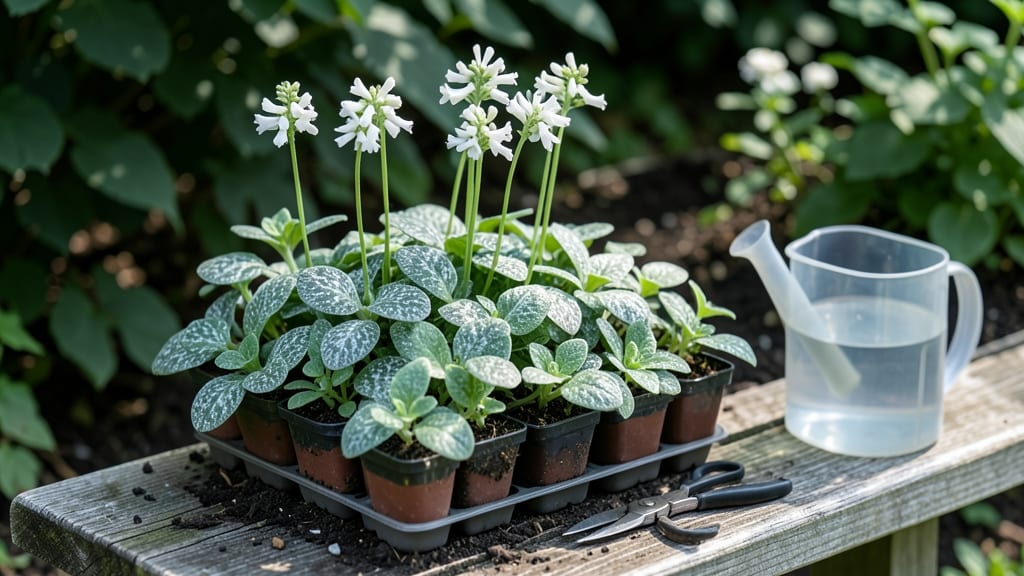
Shade-tolerant groundcover seeds transform dull corners into lush carpets. 🌿 I planted ajuga in my shady front yard last spring, and by summer, it had spread into a dense, evergreen mat that blocked weeds and added texture. The key is choosing varieties that thrive where sunlight barely reaches.
You’ll need well-draining soil mixed with compost, a gentle rake for seedbed prep, and patience—these seeds take longer to germinate than sun-loving types. Space them closely (about 6–12 inches apart) since they’ll eventually spread on their own. Water lightly but consistently until they establish roots, which can take 4–6 weeks.
Once established, these groundcovers need almost no maintenance—just occasional trimming to keep them tidy. Ajuga, creeping phlox, and heuchera are top performers, offering year-round color and texture even in the darkest spots. The payoff? A weed-free, vibrant garden that requires almost no effort after the initial planting.
This method works for borders, slopes, or under trees—anywhere you’ve struggled with bare soil. Let’s get those seeds in the ground and turn your shady spots into green oases.
📚 In This Guide
- What you need
- Instructions
- Tips and common mistakes
- Wrapping up and next steps
What you need
- ● Groundcover seeds for shade: Choose 1–2 varieties (e.g., Ajuga reptans, Lamium galeobdolon, or Helleborus). Buy 1–2 lbs per 100 sq. ft. for dense coverage.
- ● High-quality potting mix: 10–20 lbs (sterilized, well-draining blend for shade plants). Avoid garden soil—it compacts too easily!
- ● Compost or organic fertilizer: 5–10 lbs (balanced 10-10-10 or slow-release option like worm castings). Boosts nutrient-rich soil for seedling growth.
- ● Mulch: 2–3 bags (shredded bark or pine straw). Helps retain moisture and suppress weeds.
- ○ Garden twine or stakes: Optional (for marking planting areas if sowing in large sections).
- ● Garden rake: 1 (for smoothing soil and removing debris). A bow rake works best for fine texture.
- ● Hand trowel or transplanting spade: 1 (for sowing seeds and light soil amendments). A 5-inch trowel is ideal.
- ● Hose with adjustable nozzle or watering can: 1 (gentle misting is key for seed germination). A fine-rose nozzle prevents seed displacement.
- ● Garden gloves: 1 pair (nitrile-coated for grip and durability).
- ○ Spray bottle (optional): 1 (for precision watering in tight spaces or containers).
- ○ Row cover or shade cloth (optional): 1 roll (30–50% shade cloth if your area gets partial sun). Protects seedlings from drying winds.
- ● Test your soil: Use a pH test kit (aim for 5.5–7.0). Shade-loving plants thrive in slightly acidic to neutral soil.
- ● Clear the area: Remove weeds, rocks, and debris. A broadfork or weeding tool helps loosen compacted soil.
- ● Check the weather: Plan for a 5–7 day forecast with consistent moisture (no rain predicted for 24+ hours post-planting).
- ● Prep seed packets: Soak large seeds (like Helleborus) in water for 12–24 hours to soften the shell and speed up germination.
Step-by-step guide to planting evergreen groundcover seeds in shady areas
Here’s how to create a lush, low-maintenance shade garden that stays green year-round.
🌱 Step 1: Prepare the Soil for Optimal Growth
Test your soil’s drainage first—shade-loving groundcovers hate soggy roots. Amend heavy clay with 2-3 inches of compost or well-rotted leaf mold to improve aeration. For sandy soil, mix in 1 inch of peat moss to retain moisture without compacting.
Loosen the top 6 inches of soil with a garden fork, breaking up any compacted layers. This ensures roots spread easily rather than struggling against resistance. If your soil is acidic (common in shady spots), add a handful of lime per square foot to raise the pH slightly—most evergreen groundcovers prefer a neutral to slightly acidic range.
☀️ Step 2: Choose the Right Seeds for Your Shade Level
Not all shade is equal. For deep, dappled shade (like under tall trees), select seeds like Alum Root (Heuchera) or Sweet Woodruff (Galium odoratum). These thrive with 2-4 hours of indirect light daily and stay evergreen in mild climates. For partial shade (morning sun, afternoon shade), Creeping Jenny (Lysimachia nummularia) or Dwarf Mondograss (Ophiopogon japonicus) are hardier choices.
Check the seed packet for maturity zone compatibility—some varieties (like Periwinkle (Vinca minor)) need zones 4-9, while others (like Ajuga (Bugleweed)) handle zones 3-8. If you’re unsure, ask your local nursery for shade-tolerant, evergreen options tested in your area.
💧 Step 3: Sow Seeds at the Correct Depth and Spacing
Most shade groundcover seeds are tiny, so mix them with sand or dry soil before scattering to avoid clumping. Sprinkle seeds ¼ inch deep—any deeper delays germination because they struggle to push through dense soil. For creeping types (like Creeping Phlox), space seeds 6-8 inches apart to allow room for spreading. For clumping varieties (like Heuchera), plant seeds 4-6 inches apart to prevent overcrowding.
Lightly cover seeds with a thin layer of soil or compost, then mist the area with water until the surface is damp but not soggy. A spray bottle works best—it won’t dislodge seeds like a hose or watering can would. Label your rows if planting multiple varieties to track growth differences.
⏰ Step 4: Maintain Moisture and Light Conditions
Keep the soil consistently moist for the first 4-6 weeks—this is critical for germination. Water gently in the morning so excess moisture evaporates by evening, reducing fungal risks. Once seedlings appear, reduce watering to once a week (or when the top inch of soil feels dry). Shade-loving plants signal thirst by wilting slightly, but they bounce back quickly once watered.
Thin seedlings to 6-12 inches apart, depending on the variety, when they reach 2-3 inches tall. Use scissors to snip unwanted plants at soil level—this prevents disturbing roots of nearby seedlings. Mulch with 1-2 inches of shredded bark or leaves to retain moisture and suppress weeds, but keep mulch 2 inches away from stems to avoid rot.
🌿 Step 5: Encourage Spread and Long-Term Health
Most evergreen groundcovers spread via runners or self-seeding. For faster coverage, gently tug established plants to create new root sections every 2-3 years. Divide clumps in early spring when growth resumes—this rejuvenates older plants and fills bare spots. Fertilize lightly in spring with a balanced, slow-release fertilizer (10-10-10) to support steady growth without encouraging leggy stems.
Watch for yellowing leaves—this often signals overwatering or nutrient deficiency. If leaves turn brown at the edges, your soil may be too dry or alkaline. Adjust care by watering deeper (but less frequently) and adding a compost top-dressing annually. With proper care, your shade groundcover will fill in completely within 2-3 years, creating a dense, weed-blocking carpet.
Tips & tricks for planting evergreen groundcover seeds in shade
Here's what I've learned after helping gardeners transform shady patches into lush, evergreen carpets.
Soil Prep Secret: Before amending your soil with the 2-3 inches of compost or 1 inch of peat moss, do a quick "squeeze test" - grab a handful of damp soil and squeeze it. If it holds its shape tightly, you've got clay soil that needs loosening. If it crumbles easily, you're dealing with sandy soil that needs moisture retention. This simple test saves you from over-amending!
Seed Mixing Hack: When mixing tiny groundcover seeds with sand or dry soil as instructed, use a paper plate instead of your hand. The smooth surface makes it easier to distribute seeds evenly without creating clumps. I've seen gardeners accidentally create seed "hot spots" by using their hands - this method prevents that. Also, use a fine-mesh sieve to sift the mixture gently over your planting area.
Watering Wisdom: The 4-6 week critical germination period requires patience but not perfection. I recommend setting a morning alarm for your watering schedule to maintain consistent moisture. Use a spray nozzle on your hose to create a fine mist rather than a strong stream - this mimics natural rain and prevents seed displacement. In Step 4, when you're watering gently in the morning, aim for the soil surface rather than the leaves to reduce fungal risks.
Mulching Technique: When applying the 1-2 inches of shredded bark or leaves as mulch, create a "mulch volcano" around each seedling. Pile the mulch slightly higher around the base and taper it down as it moves away from the stem. This creates a natural water reservoir that protects the roots while keeping the stems dry. Remember to maintain that 2-inch clearance from stems to prevent rot - this is where many gardeners go wrong.
Pro Tips for Groundcover Seeds For Shade
- Here's what I've learned after helping gardeners transform shady patches into lush, evergreen carpets.
- Soil Prep Secret: Before amending your soil with the 2-3 inches of compost or 1 inch of peat moss, do a quick "squeeze test" - grab a handful of damp soil and squeeze it.
- Seed Mixing Hack: When mixing tiny groundcover seeds with sand or dry soil as instructed, use a paper plate instead of your hand.
Frequently asked questions
Got questions about groundcover seeds for shade?
You’re not alone! Here are answers to the most common queries to help you get started with confidence.
What’s the best time of year to plant shade-tolerant groundcover seeds?
For most shade-loving groundcovers, spring (after the last frost) or early fall (4-6 weeks before the first frost) are ideal. These seasons offer moderate soil temperatures and consistent moisture, giving seeds the best chance to germinate and establish roots before extreme weather. Avoid planting in scorching summer heat or freezing winter conditions.
How long does it take for shade groundcover seeds to germinate?
Germination times vary by plant, but most shade-tolerant groundcovers sprout within 2-6 weeks. Cool-season varieties (like creeping phlox or ajuga) may germinate faster in spring, while slower growers (such as wild ginger) can take up to 8 weeks. Keep seeds moist and in consistent shade—patience is key! Pro tip: Use a seedling heat mat if your climate runs cold.
Can I use mulch over groundcover seeds for shade?
Yes! A thin layer (¼ inch) of mulch helps retain moisture and regulate soil temperature, but avoid piling it directly on seeds—this can smother them. Once seedlings emerge (about 1-2 inches tall), you can add a 2-3 inch layer of organic mulch (like shredded bark or straw) around them. Just keep mulch a few inches away from stems to prevent rot.
What if my shade area is super dark (e.g., under dense trees)?
Not all shade is equal! If your spot gets less than 2 hours of direct sunlight daily, opt for deep-shade groundcovers like wild ginger, foamflower, or partridgeberry. These thrive in dappled or full shade where others fail. Test your light levels with a light meter or observe how sunlight shifts throughout the day.
Why aren’t my shade groundcover seeds sprouting? Troubleshooting tips!
If seeds aren’t germinating, check these common issues:
- Moisture issues: Keep soil consistently damp (not soggy) with a spray bottle or drip irrigation.
- Temperature: Most shade seeds need soil temps between 60–75°F. Use a seedling heat mat if your climate is too cool.
- Light exposure: Some seeds need some light to germinate—ensure they’re not buried too deep (usually ¼ inch max).
- Seed viability: Old or low-quality seeds may fail. Test with a germination test (soak a few seeds in water for 24 hours—if they swell, they’re viable!).
If all else fails, try transplanting mature shade-tolerant plants (like heuchera or hostas) for instant coverage!
Wrapping up and next steps
Transforming shady spots into lush, low-maintenance gardens is totally within reach! With the right groundcover seeds for shade, you can create a vibrant, evergreen carpet that thrives where others struggle.
Whether you’re tackling deep shadows, reducing weeds, or boosting curb appeal, these resilient plants deliver beauty and ease—without the fuss.
Ready to take the next step? Start by selecting your shade-tolerant favorites, prepping your soil, and sowing with confidence. Your dream shade garden is just a seed away—go plant it! 🌿✨