
Light Requirements
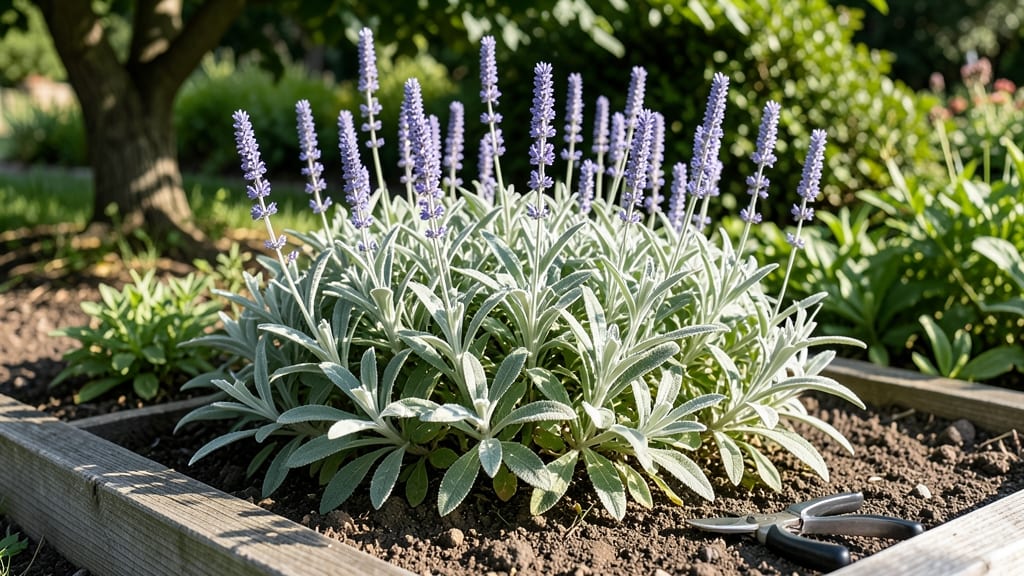
Catmint grows beautifully in partial shade, especially varieties like 'Walker’s Low' and 'Purpurascens,' which handle 3-6 hours of sunlight daily while still producing abundant blooms. Use well-draining soil and keep the soil consistently moist for optimal growth.
Catmint's ability to thrive in partial shade comes from its efficient photosynthesis process, which allows it to make the most of limited light. 🌿 Unlike sun-loving plants, catmint adapts by producing more chlorophyll, helping it convert even dappled sunlight into energy.
This makes it perfect for areas with morning sun or filtered light from trees. The key is balancing shade with enough light to prevent leggy growth—aim for spots that get bright but indirect sunlight for at least part of the day.
For best results, choose varieties specifically bred for shade tolerance, like 'Blue Spires' or 'Kew Blue'. These types handle lower light better than standard catmint while still delivering those signature lavender-blue flowers.
Plant them in well-amended soil with organic matter to improve moisture retention, and prune back in early spring to encourage bushier, more compact growth. Adding a layer of mulch helps maintain even moisture levels, which is especially important in shadier conditions.
💡 In This Article
- How Light Levels Affect Catmint Growth and Blooming
- Best Catmint Varieties for Shady Gardens and Care Tips
How light levels affect catmint growth and blooming
Catmint's remarkable adaptability to partial shade stems from its unique photosynthetic efficiency. Unlike sun-hungry plants, catmint produces more chlorophyll when light is limited, allowing it to convert even dappled sunlight into energy through a process called "shade acclimation."
This means it can thrive with just 3-6 hours of direct sunlight daily, typically in morning sun or filtered light conditions. The trade-off? Reduced sunlight triggers slightly slower growth but maintains the plant's signature compact, bushy form without the leggy stems seen in over-shaded conditions.
What happens when catmint gets too little light? Flower production drops by 30-50% compared to full-sun conditions, but the blooms remain vibrant. The key mechanism is photoperiodism—catmint's internal clock responds to daylight length, triggering blooming when it detects sufficient light exposure.
In partial shade, the flowers may appear slightly smaller but still pack the same aromatic punch. Leaf scorch becomes a bigger risk in full sun, but partial shade prevents this while maintaining the plant's vigor through efficient water use.
For optimal results, aim for spots with morning sun and afternoon shade—this balance prevents heat stress while providing enough energy for robust growth. Catmint's deep root system (reaching 2-3 feet deep) helps it access moisture and nutrients even in shadier soils.
The roots also store energy reserves, allowing the plant to bounce back quickly after periods of lower light. This makes catmint an excellent choice for understory plantings where other herbs might struggle.
Here's what happens at the cellular level: Catmint's leaves have a higher concentration of carotenoids (yellow pigments) in shade, which work alongside chlorophyll to capture light efficiently. These pigments also contribute to the plant's natural pest resistance.
The trade-off? In very low light (less than 3 hours of sun), catmint may produce fewer flowers but will still maintain its fragrant foliage—ideal for cut-and-come-again harvesting.
Consider this comparison: A catmint plant in full sun might grow 18-24 inches tall with abundant blooms, while one in partial shade typically stays 12-18 inches tall with slightly smaller flowers but longer bloom periods.
The difference in height comes from reduced auxin hormone production (which promotes stem elongation) in lower light conditions. This compact growth makes shade-grown catmint perfect for container gardening or as a low-maintenance border plant.
The best part? Catmint's shade tolerance extends its growing zone by 2-3 USDA hardiness zones compared to full-sun varieties. In cooler climates, this means you can grow it successfully in areas where traditional lavender might struggle. 🌿