
Shrubs
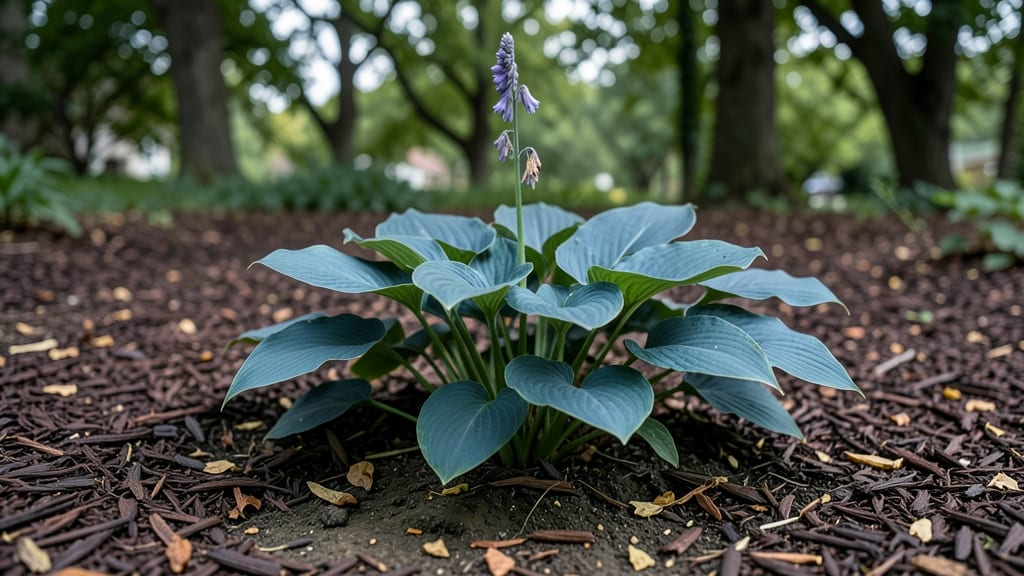
Shade gardens don’t have to mean dull foliage—hearty perennial shrubs bring lush texture and fragrant blooms even when sunlight is scarce. 🌿 I’ve transformed my own shady corner into a thriving woodland retreat using plants that thrive where others fade, offering year-round interest with minimal fuss.
These tough shrubs handle moisture, compete with tree roots, and still deliver stunning foliage—think deep burgundy, chartreuse, or silvery leaves that catch the dappled light. Many even reward you with delicate blooms in spring or summer, like the sweet scent of meadowsweet or the bold spikes of coral bells.
The best part? Once established, they’re nearly self-sufficient.
You’ll create layers of height and color that make shady spots feel alive—tall hydrangeas as backdrops, mid-height astilbes for movement, and low heucheras for ground cover. These plants work under trees, along north-facing walls, or in woodland gardens, turning forgotten corners into lush, fragrant retreats that neighbors will envy.
No more boring shade gardens—just textured, fragrant, and resilient plants that outperform annuals and outlast trends. Let’s pick the perfect mix for your space, whether you’ve got deep shade or just a bit of filtered light.
📚 In This Guide
- What you need
- Instructions
- Tips and common mistakes
- Wrapping up and next steps
What you need
- ● Ready to transform your shady spots into lush, fragrant havens? 🌿✨ Gather these materials and tools to get started—whether you're planting from scratch or refreshing an existing garden bed.
- ● Pro tip: 🌡️ Plant in early spring or fall when temps are mild—your shrubs will thank you with vibrant growth and fewer stressors!
Step-by-Step guide to planting and maintaining hearty perennial shrubs in shade
Here's how to create a lush, low-maintenance shade garden that thrives year after year.
🌱 Step 1: Select the Right Shrubs for Your Shade Conditions
Choose perennials that tolerate low to moderate light (2-6 hours of filtered sun daily). My top picks for year-round texture and fragrance include hydrangeas, pieris, and inkberry holly—all of which handle 40-80% shade beautifully. Check your garden's specific shade type: dappled (sunflecks through trees), deep (no direct sun), or partial (morning sun only).
I always test the light first by placing a white board where I plan to plant. If it stays mostly clean after a week, you've got deep shade. If it shows sunflecks, you're in the dappled category. Deep shade shrubs like Japanese painted fern and foamflower thrive where others fail, while hydrangeas need at least 4 hours of morning sun for vibrant blooms.
🪴 Step 2: Prepare the Planting Site with Amended Soil
Dig a hole twice as wide and slightly shallower than the root ball to encourage outward growth. Amend the native soil with 3-4 inches of compost mixed into the bottom and sides—this improves drainage while retaining moisture, which is critical in shade. For clay-heavy soils, add 10% perlite to prevent compaction.
I like to loosen the roots of container-grown shrubs by gently teasing them apart at the edges before planting. This helps them establish faster in the ground. Water the hole thoroughly before placing the shrub in—this prevents air pockets that can strangle new roots. Position the top of the root ball 1 inch above ground level to prevent rot during heavy rains.
☀️ Step 3: Plant and Mulch for Moisture Retention
Backfill the hole with native soil mixed with compost, pressing gently to eliminate air gaps. Water deeply to settle the soil around the roots. For 4 shrubs, space them 3-5 feet apart depending on mature size—closer for dwarf varieties like dwarf fothergilla, wider for large hydrangeas. Mulch with 3 inches of shredded bark or pine needles to suppress weeds and retain moisture.
Here's the thing—mulch too close to the stem and you'll smother the plant. Keep it 3 inches away from the trunk. I always add a slow-release fertilizer like 10-10-10 at planting time, following package rates. Water deeply once more after mulching to help the soil settle and encourage root growth.
💧 Step 4: Water and Monitor for Establishment
Keep the soil consistently moist for the first 4-6 weeks—this is critical for root establishment. Water deeply 2-3 times per week until new growth appears, then taper to once weekly unless rainfall provides 1 inch of moisture. You'll know you're watering right when the top 2 inches of soil feel damp but not soggy.
Watch for signs of stress: yellowing leaves often mean too much shade, while crispy edges signal underwatering. If you planted hydrangeas, you'll see new leaves emerge within 3-4 weeks—that's your signal everything is working. For slower growers like inkberry holly, give them a full season before expecting significant growth.
✂️ Step 5: Prune and Maintain Seasonal Care
Prune late winter or early spring before new growth begins. Remove dead or crossing branches first, then shape the shrub by cutting back 1/3 of the oldest stems to encourage new growth. Hydrangeas bloom on old wood, so wait until after flowering to prune them. For pieris, which bloom on new wood, prune right after flowering.
Fertilize lightly in early spring with a balanced 10-10-10 formula, applying half the recommended rate. In deep shade, I add a handful of bone meal to the soil in spring to boost phosphorus for root and flower development. Watch for pests like lace bugs or spider mites—these thrive in dry shade conditions. Treat with neem oil if you spot webbing or stippled leaves.
Tips & tricks for perfect shade garden shrubs
Creating a thriving shade garden isn't rocket science, but these small details make all the difference between struggling plants and a lush, fragrant landscape.
Light Testing Matters: That white board trick in Step 1 is your secret weapon for avoiding shade surprises. Place it where you plan to plant and leave it for a full week—this reveals exactly how much light your spot gets. Deep shade (no sunflecks) calls for plants like Japanese painted fern, while dappled light (sunflecks) suits hydrangeas better. I've seen gardeners plant sun-loving shrubs in deep shade only to watch them struggle for years.
Root Care During Planting: When you're loosening those container-grown roots in Step 2, don't go overboard—just gently separate the outer edges with your fingers. Over-handling damages delicate roots that need to establish quickly. The 1-inch elevation above ground level is crucial too: it prevents water from pooling around the stem, which can cause rot. I've had to replant too many shrubs that were planted too deep and drowned in their own moisture.
Mulching Like a Pro: That 3-inch mulch ring in Step 3 isn't just decoration—it's a moisture barrier and weed suppressor. But here's the catch: keep it 3 inches away from the trunk to prevent stem rot. I like to use shredded bark because it breaks down slowly, releasing nutrients over time. For extra insurance against weeds, consider adding a layer of landscape fabric under the mulch, especially in high-traffic areas.
Watering Wisdom: Those first 4-6 weeks are make-or-break for root establishment. I've learned the hard way that shallow watering just wets the surface—always water deeply until you see moisture reach 6-8 inches down. The "1 inch of moisture" rule is your guide: that's about 10-15 gallons per 100 square feet when watering manually. A rain gauge helps track rainfall so you don't overwater during wet spells.
Pro Tips for Hearty Perennials Shade
- Creating a thriving shade garden isn't rocket science, but these small details make all the difference between struggling plants and a lush, fragrant landscape.
- Light Testing Matters: That white board trick in Step 1 is your secret weapon for avoiding shade surprises.
- Root Care During Planting: When you're loosening those container-grown roots in Step 2, don't go overboard—just gently separate the outer edges with your fingers.
Frequently asked questions
What are the best low-maintenance perennials for deep shade?
Look for Hosta, Astilbe, Hellebore (Lenten Rose), and Ferns like Matteuccia struthiopteris. These plants handle moisture, minimal sunlight, and even poor soil—perfect for beginners! For extra fragrance, try Daphne odora or Pieris japonica (Japanese Andromeda).
When is the best time to plant shade-loving perennials?
Spring (after the last frost) or early fall (4–6 weeks before frost) are ideal. Avoid planting in extreme heat or cold—roots need time to establish. Pro tip: Amend soil with compost before planting to boost drainage and nutrient uptake.
Will these perennials survive in soggy or poorly draining soil?
Most shade perennials tolerate moist soil, but Hosta and Astilbe can rot if waterlogged. Improve drainage by mixing in organic matter (like leaf mold or pine bark fines) or plant on a slight mound. Hellebore and Lungwort are great drought-tolerant alternatives for wetter spots.
How do I keep shade perennials from looking leggy or sparse?
Leggy growth often means they need more light or fertilizer. Prune back dead foliage in early spring, and feed with a balanced, slow-release fertilizer (like 10-10-10) in spring. Pro tip: Mulch with wood chips to retain moisture and suppress weeds, which compete for nutrients.
Are there deer-resistant options for shaded gardens?
Yes! Deer tend to avoid Lamium (Dead Nettle), Cimicifuga racemosa (Bugbane), and Tiarella cordifolia (Foamflower). For fragrance, Daphne and Pieris are usually left alone. If deer are a problem, consider fencing or repellents—these plants won’t deter them alone.
Do shade perennials need winter protection?
Most are hardy, but tender varieties (like Hellebore in Zone 5 or colder) benefit from a 3-inch mulch layer of shredded leaves or straw. Evergreens like Pieris may need winter watering in drought-prone areas to prevent desiccation.
Wrapping up and next steps
Transforming your shady garden into a lush, fragrant retreat is easier than you think! With hearty perennials for shade, you’ll enjoy year-round texture, stunning blooms, and low-maintenance beauty—no matter the season.
Whether you’re drawn to bold foliage, delicate flowers, or fragrant foliage, these shrubs deliver effortless charm while thriving in low-light conditions.
Ready to elevate your outdoor space? Start small—pick one or two plants to test your shady spot, then expand as you fall in love with their resilience and allure. Happy gardening! 🌿✨