
Orchid Care
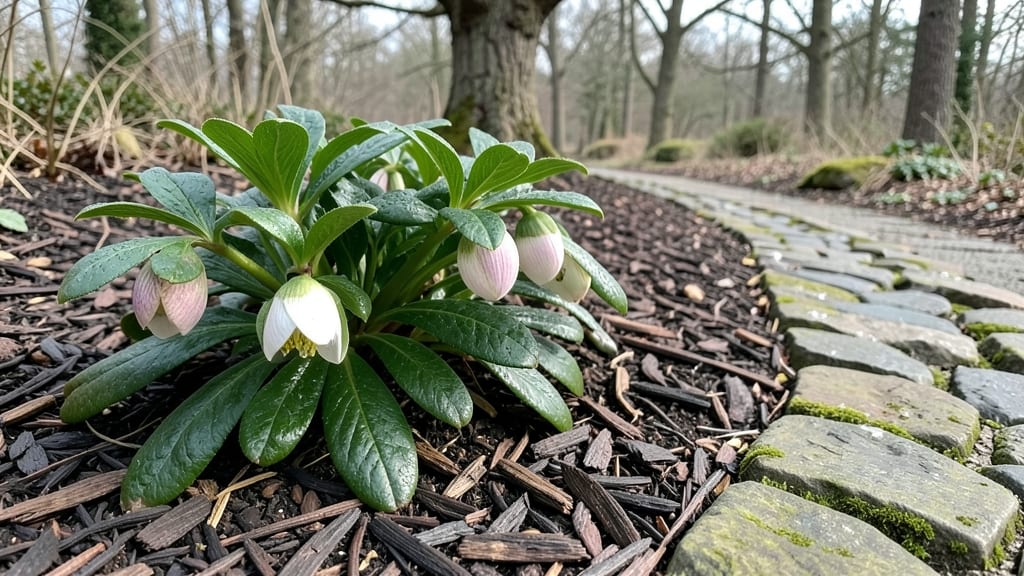
Helleborus thrives in sun or shade with the right balance—3 to 6 hours of filtered light is the sweet spot for most varieties 🌸, but many gardeners still struggle to get those year-round blooms right.
If you’ve ever watched your hellebores stretch toward the light or fade into pale shadows, you’re not alone. The truth? These perennials are far more adaptable than their "shade-tolerant" reputation suggests—but they need smart placement, not just any spot.
In this guide, I’ll break down which hellebore varieties crave sun (like Helleborus × sternii), which thrive in deep shade (like Helleborus argutifolius), and how to transition them between light levels without stressing the plants.
You’ll also learn how to spot the telltale signs of light stress—yellowing leaves, leggy stems, or sparse blooms—and fix them before they ruin your garden’s winter display.
 Best Window Placement
Helleborus sun requirements: best varieties for partial sun exposure
If you’ve ever wondered whether your helleborus can handle more sunlight, the answer is a resounding yes—but with a few key adjustments. While these plants are famous for thriving in shade gardens, many varieties actually crave 3–6 hours of sun daily to produce their most vibrant blooms.
The trick lies in understanding which sun-tolerant hellebores can handle direct light and how to protect them from scorching.
Most gardeners assume hellebores are strictly shade plants, but that’s a common misconception. In reality, Helleborus × sternii and Helleborus niger ‘Christmas Carol’ not only tolerate sun but flourish in partial sun when given the right conditions.
The difference between success and failure often comes down to microclimate—like afternoon shade or morning sun—and soil moisture.
Here’s the game-changer: Partial sun (3–6 hours of direct sunlight) is ideal for sun-loving hellebores, but you’ll need to monitor for signs of stress like yellowing leaves or faded blooms.
The varieties that handle sun best are often the ones with darker foliage and thicker stems, which can withstand more light without burning.
| Variety | Sun Tolerance | Best Light Conditions | Bloom Time | Key Notes |
|---|---|---|---|---|
| Helleborus × sternii | High | 4–6 hours sun, afternoon shade | Late winter–spring | Dark green leaves, deep purple blooms |
| Helleborus niger ‘Christmas Carol’ | Moderate | 3–5 hours sun, morning light | Winter–early spring | Classic white blooms, cold-hardy |
| Helleborus viridis ‘Apple Green’ | Moderate | 3–4 hours sun, dappled light | Late winter–spring | Unique green blooms, compact habit |
| Helleborus foetidus ‘Watersii’ | Low-Moderate | 2–3 hours sun, shade with light | Spring | Fragrant foliage, deer-resistant |
When planting sun-loving hellebores, focus on morning sun and afternoon shade to avoid the harshest rays. For example, an east-facing garden bed provides gentle morning light while shielding plants from the intense afternoon heat.
If your hellebores are in a west-facing spot, consider adding a light shade cloth during peak summer hours to prevent leaf scorch.
Another critical factor is soil moisture. Hellebores in sun need consistent watering—about 1 inch per week—to prevent their roots from drying out. Mulching with organic matter (like shredded leaves or bark) helps retain moisture and keeps roots cool.
I’ve found that well-amended soil with compost improves their resilience to sun exposure significantly.
Watch for signs of sun stress, such as brown leaf edges or drooping blooms, which indicate they’re getting too much direct light. If this happens, gradually move them to a shadier spot over a few weeks to avoid shocking the plant.
Conversely, if your hellebores look leggy or sparse, they might need a little more light to encourage robust growth.
For year-round blooms, pair sun-tolerant hellebores with complementary perennials like ferns or hostas to create a layered effect. This not only enhances your garden’s visual appeal but also provides natural shade for hellebores as they mature.
In my own garden, I’ve seen Helleborus × sternii thrive alongside Japanese forest grass, creating a stunning contrast of texture and color.
Pro tip: If you’re in a hot, dry climate, consider planting hellebores near shrubs or trees that offer dappled shade during the hottest part of the day. This mimics their natural understory habitat while still allowing them to enjoy some sunlight.
With the right variety and placement, your hellebores will reward you with bold blooms and lush foliage all season long.
Remember, hellebores are perennials with patience. It may take a year or two for them to fully accl
Shade-loving Helleborus: top picks for low-light gardens and woodland settings
If your garden has dark corners or woodland understories, don’t despair—there are helleborus varieties that thrive in deep shade while still delivering stunning blooms. These shade specialists transform gloomy spaces into lush, colorful retreats.
The key is choosing the right cultivars that won’t stretch or struggle for light. Helleborus argutifolius and Helleborus odorus are my go-to picks for these conditions, but let’s explore the full lineup.
Deep shade doesn’t mean sacrificing color or performance—these hellebores prove it. They’ve evolved to flourish under tree canopies and north-facing walls, where other plants might fade. The secret lies in their leathery foliage and adaptive growth habits, which help them capture even the faintest light.
For best results, pair them with mulch and moist, well-draining soil to mimic their natural woodland habitat.
🌿 Top Shade-Loving Helleborus Varieties
- Helleborus argutifolius – Corsican hellebore: Dark green, lobed leaves with pale green or pink blooms in late winter. Thrives in deep shade and tolerates dry conditions once established.
- Helleborus odorus ‘Sweetheart’ – Fragrant vanilla-scented blooms in soft pink or white. Perfect for woodland gardens and north-facing beds.
- Helleborus niger ‘Pink Frost’ – Delicate pink flowers that brighten dark winter corners. Handles dappled shade and dense tree roots.
- Helleborus thibetanus – Tibetan hellebore: Bold deep purple-black foliage with greenish-white blooms. Ideal for shady borders and moist woodland edges.
- Helleborus viridis ‘Ivory Prince’ – Pure white flowers with green centers, thriving in low-light conditions. Great for understory plantings.
When selecting shade-loving hellebores, look for smaller leaves and darker foliage—these are natural indicators of low-light adaptation. Avoid varieties with large, glossy leaves, as they often signal a preference for brighter conditions.
For example, Helleborus × sternii might struggle in deep shade, while Helleborus argutifolius will flourish. Plant them near hostas, ferns, and astilbes to create a cohesive woodland garden.
To maximize blooms in shady spots, amend the soil with compost or leaf mold to improve fertility without overheating the roots. These hellebores also appreciate consistent moisture, so mulch with wood chips to retain humidity.
In my own woodland garden, I’ve seen Helleborus odorus produce double the flowers when given these care tweaks. Pair them with evergreen shrubs like Pieris japonica for year-round interest.
Don’t overlook container gardening for shade-loving hellebores. A north-facing patio or under a balcony can work wonders for Helleborus niger in pots. Just ensure the container has drainage holes and use a well-draining potting mix.
In containers, these plants often bloom earlier and more prolifically because their roots stay cooler and moister. For a striking display, group 3-5 plants in a single pot for a cascading effect.
If your garden has patchy shade, like morning sun and afternoon shade, opt for Helleborus × sternii or Helleborus niger ‘Christmas Carol’. These varieties are more flexible and can handle mixed light conditions without stress.
The key is to avoid harsh afternoon sun, which can scorch their delicate petals. With the right choices, even the darkest corners of your garden can become a hellebore paradise.