
Plants
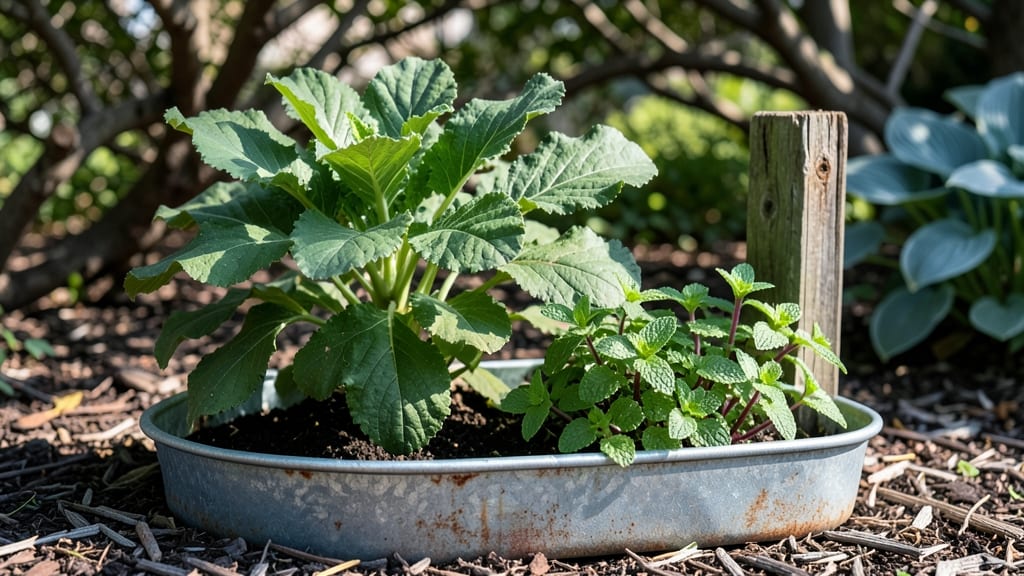
The herbs that like shade—like parsley, cilantro, and mint—prove you don’t need sun to grow fragrant, useful plants. 🌿 I’ve grown them in my shady patio corner for years—now they’re the stars of my cooking and garden. These herbs thrive where others fail, turning dim spaces into productive, aromatic zones.
The secret isn’t complex: partial shade (4-6 hours of morning sun), moist but well-draining soil, and regular harvesting to encourage growth. Most people overwater or crowd plants—both mistakes lead to leggy, sparse foliage. Instead, use containers with drainage holes or raised beds to control moisture and airflow.
By midsummer, you’ll have lush, bright green parsley for soups, zesty cilantro for tacos, and vigorous mint for teas—all grown in spots most herbs would avoid. The foliage stays tender, the flavors stay strong, and you’ll never waste another sunny patch on finicky basil again.
Works for balconies, woodland gardens, or north-facing yards. Let’s turn those dark corners into herb powerhouses—no direct sun required!
Light Deprivation’s Hidden Impact
Herbs that thrive in shade often struggle—or even fail—in full sun because their biology is finely tuned to low-light conditions. Understanding why shade-loving herbs behave this way helps gardeners create the perfect environment for them to flourish.
Here’s why these fragrant plants crave darkness (or at least partial shade), and how their survival depends on it.
Most herbs evolved in regions with moderate sunlight, where direct rays can be harsh. Unlike sun-loving plants (like basil or oregano), shade-tolerant herbs have lower chlorophyll density, meaning their leaves can’t efficiently absorb intense light. When exposed to too much sun:
- Leaf burn: Excess UV radiation damages cell membranes, causing crispy, brown edges (a common issue with mint or cilantro in hot spots).
- Water stress: Shade herbs have shallower root systems and transpire (lose water) more slowly. Full sun forces them to evaporate moisture faster than their roots can replenish it, leading to wilting.
- Altered metabolism: Their photosynthetic pathways shift from C3 (efficient in low light) to a less optimal state, reducing growth and flavor.
Pro tip: 🌡️ If your shade herb starts looking bleached or leggy, it’s a cry for indirect light—think dappled sunlight through trees, not scorching afternoon rays.
Shade-loving herbs didn’t just choose darkness—they evolved for it. Many originated in:
- Forest understories: Plants like wild ginger or woodruff grow beneath canopies where light is filtered through leaves, creating a cool, humid microclimate.
- Rocky or north-facing slopes: Herbs such as golden balm or wild bergamot thrive where soil stays moist and roots avoid overheating.
- Temperate climates: In cooler regions, full sun can overheat leaves, while shade preserves their delicate structures.
These herbs developed broad, thin leaves to maximize light capture in dim conditions and shallow but widespread root networks to absorb moisture from damp, shaded soil. Actionable fix: Mimic their natural habitat by planting them near tall shrubs, under eaves, or in containers with afternoon shade.
Shade herbs often reject dry soil because their roots evolved to thrive in consistently moist environments. Here’s why:
| Cause | Effect on Shade Herbs |
|---|---|
| Full-sun soil dries out faster | Roots suffocate from compaction (common in clay-heavy soils), while leaves wilt from thirst. |
| Poor drainage in shade | Herbs like chervil or parsley rot if water pools around roots—shade slows evaporation, keeping soil soggy. |
| Nutrient leaching | Shade reduces microbial activity in soil, so nutrients like nitrogen (critical for leafy herbs) become less available. |
Pro tip: ✨ Amend shade soil with compost and organic mulch (like shredded leaves) to retain moisture without drowning roots. For containers, use a well-draining potting mix with perlite.
By recognizing these biological quirks, you can reverse the damage and help your shade herbs rebound—whether it’s moving them to a brighter (but indirect) spot or adjusting soil conditions. The key? Work with their nature, not against it.
Revive Your Shady Herb Garden
Shade-loving herbs may thrive in low-light spots, but they still need care to flourish. If your plants are struggling—whether from poor soil, overcrowding, or pests—here’s how to bring them back to life with simple, actionable steps.
The key is observation, adjustment, and consistency. Let’s tackle the most common issues and turn your dimly lit garden corner into a lush, fragrant sanctuary.
When herbs stretch toward light or appear spindly, they’re begging for better conditions. Here’s how to correct it:
🔥 Improve Light Exposure (Without Direct Sun)
Most shade-tolerant herbs (like mint, chives, or lemon balm) still need bright, indirect light. If your garden is truly dark:
- Relocate containers to a spot with filtered light (e.g., near a north-facing window or under a sheer curtain).
- Use grow lights for 12–14 hours daily if natural light is insufficient. LED grow bulbs (cool white or full-spectrum) are energy-efficient and affordable.
- Thin dense foliage to allow light penetration to lower leaves.
🍳 Boost Soil Fertility
Poor soil drains nutrients faster in shade. Amend it with:
- A layer of compost (2–3 inches mixed into the top 6 inches of soil). Aim for well-draining, slightly acidic to neutral soil (pH 6.0–7.0).
- Organic matter like worm castings or leaf mold to improve texture and moisture retention.
- Slow-release fertilizer (e.g., fish emulsion or a balanced 10-10-10) every 6–8 weeks during growing season.
👨🍳 Prune for Bushier Plants
Pinching back leggy stems encourages branching. Here’s how:
- Use clean scissors or pruning shears to snip just above a leaf node (where leaves meet the stem).
- Remove 1/3 of the top growth to redirect energy to side shoots.
- Repeat every 4–6 weeks to maintain shape.
Shady, humid conditions can attract pests like aphids or fungal issues like powdery mildew. Act fast to prevent spread:
🔪 Treat Common Pests Naturally
Skip harsh chemicals—these remedies work:
| Pest | Solution |
|---|---|
| Aphids | Spray with neem oil (1 tsp oil + 1 tsp mild soap per quart of water). Repeat weekly. |
| Spider Mites | Blast off with a strong water spray (early morning). Introduce predatory mites if infestation persists. |
| Slugs/Snails | Set up beer traps (bury a cup filled with beer) or use copper tape around pots. |
🌡️ Prevent Fungal Diseases
Powdery mildew thrives in damp shade. Stop it with:
- Improve airflow by spacing plants 6–12 inches apart.
- Water at the base (avoid wetting leaves) and in the early morning so foliage dries quickly.
- Apply baking soda spray (1 tsp baking soda + 1 quart water + a drop of soap) every 7–10 days.
Keep your shade herbs healthy with these proactive habits:
💡 Choose the Right Herbs for Your Space
Not all shade-tolerant herbs are equal. Match your conditions:
- Deep shade (little light): Mint, chives, lemon balm, sweet woodruff.
- Partial shade (4–6 hours light): Corsican mint, golden chervil, ginger.
- Dappled light (filtered sun): Parsley, cilantro, oregano (choose shade-tolerant varieties).
🎯 Rotate and Refresh Containers
Herbs in pots deplete nutrients faster. Every 1–2 years:
- Repot into fresh soil with added compost.
- Clean containers with soapy water to remove disease spores.
- Trim root-bound roots if they’re circling the pot.
🌿 Mulch to Retain Moisture
Shady soil dries out slower but can still benefit from mulch. Use:
- Straw or shredded leaves (2–3 inches) to suppress weeds and lock in moisture.
- Avoid thick mulch layers (over 3 inches) to prevent rot.
With these fixes, your shade-loving herbs will bounce back stronger. Remember: patience is key—some varieties (like parsley) grow slowly but reward you with robust foliage over time. Happy gardening! 🌿💚
Frequently asked questions
Can I grow these shade herbs indoors?
Most shade-tolerant herbs like parsley, mint, and chives thrive indoors near north-facing windows or under grow lights (12–14 hours daily). Use containers with drainage holes and well-draining potting mix. Rotate pots weekly for even growth.
Why does my parsley look yellow?
Yellowing parsley usually signals overwatering or poor drainage. Shade herbs need moist but not soggy soil. Let the top inch dry between waterings, and ensure pots have drainage holes. If the soil stays damp for days, repot with fresh, well-draining mix.
How do I keep mint from taking over?
Mint spreads aggressively via underground runners. Grow it in containers (bury the pot slightly to deter escapees) or plant it in deep, buried pots in the ground. Prune regularly to encourage bushiness and control spread.
Can I use shade herbs in cooking just like sun-grown ones?
Yes! Shade-grown herbs like cilantro and parsley retain their flavor—sometimes even more intensely—because they grow slower in cooler conditions. Harvest fresh for the best taste, or dry them in small batches. Perfect for soups, salads, and teas!
What’s the best way to overwinter shade herbs?
Move potted herbs to a cool, bright spot (like a garage or basement window) where temps stay above 30°F. Reduce watering to once every 2–3 weeks and prune back by half. Some herbs (like chives) may go dormant but bounce back in spring.