
Plants
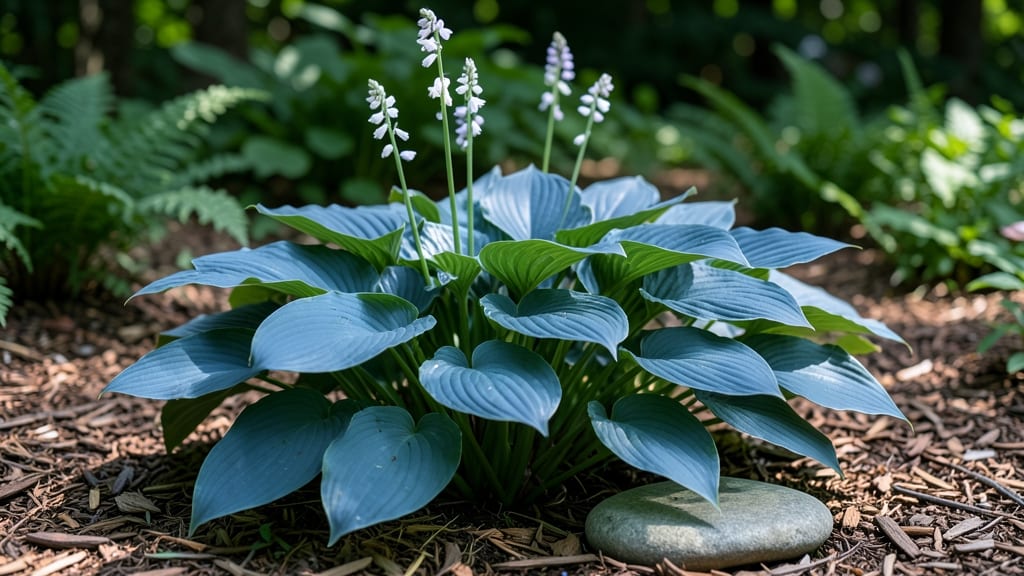
A hosta plant thrives in shade or sun when balanced—partial shade reveals its boldest leaves while deterring pests naturally.
You’ve probably heard hostas are shade plants, but the truth is more nuanced. Too much sun can scorch their leaves, while too little dims their stunning colors. The sweet spot? A mix that lets them show off their vibrant patterns without wilting.
In this guide, I’ll break down how sunlight shapes hosta growth—from leaf size to pest resistance—and share placement tips for your garden’s light conditions. Whether you’re tucked under trees or basking in morning rays, you’ll learn how to keep your hostas lush and thriving.
We’ll also cover the best varieties for each light scenario, plus how to transition hostas safely if you’re changing their spot. Ready to grow hostas that steal the show? Let’s dive in.
 Best Window Placement
How sunlight affects hosta growth: shade vs. sunlight requirements
Hostas are often called the "queen of shade plants," but their adaptability goes far beyond dark corners. Understanding how sunlight exposure impacts their growth is key to unlocking stunning foliage and robust plants.
Too much sun can scorch leaves, while too little may dull their colors—but finding the sweet spot transforms your garden. Let’s break down how different light conditions shape your hostas from foliage color to pest resistance.
Most hosta varieties thrive in partial shade, receiving 2-6 hours of direct sunlight daily. This mimics their natural woodland habitat, where dappled light filters through tree canopies.
However, some modern cultivars are bred to handle morning sun or even filtered afternoon light, making them versatile for various garden spots. The key is observing how your specific variety responds—some may reward you with deeper blues or greens, while others might struggle with leaf burn.
Here’s the science: Chlorophyll production peaks in moderate light, but excessive UV rays trigger oxidative stress, causing brown edges or crispy leaf tips. Meanwhile, deep shade can lead to leggy growth and pale foliage, as plants stretch toward any available light.
Balancing these extremes ensures your hostas grow lush and healthy, with vibrant colors that steal the show.
| Light Condition | Foliage Color | Growth Habit | Pest Resistance | Soil Moisture Needs |
|---|---|---|---|---|
| Full Shade (0-2 hrs sun) | Duller, paler hues; less vibrant | Slow growth; leggy stems | Higher slug risk; softer tissue | Consistently moist |
| Partial Shade (2-6 hrs sun) | Rich, deep colors; vibrant patterns | Compact, bushy growth | Moderate resistance; sturdy leaves | Moderate moisture |
| Filtered Sun (Morning only) | Brighter greens/blues; enhanced variegation | Healthy, upright growth | Strong resistance; thick leaves | Well-draining; slightly drier |
| Full Sun (6+ hrs sun) | Bleached, sunburned edges | Stunted; crispy leaf tips | Weakened; attracts pests | Dries out quickly; needs frequent water |
If you’re planting hostas in full shade, prioritize varieties like 'Blue Angel' or 'Francee'—their natural shade tolerance shines. These types develop thicker leaves and deeper colors as a survival mechanism.
In contrast, sun-loving varieties such as 'Halcyon' or 'Guacamole' boast bold variegation when given morning sun, but avoid harsh afternoon rays that can cause leaf scorch.
Watering needs shift dramatically with light exposure. Hostas in full shade require consistently moist soil, while those in filtered sun tolerate slightly drier conditions. Mulch with organic matter like shredded leaves or bark to retain moisture and regulate soil temperature.
This simple step can mean the difference between thriving hostas and struggling ones during heatwaves.
Pest resistance also hinges on light exposure. Hostas grown in partial shade develop tougher leaves, making them less appealing to slugs and deer. However, those in full sun may become stressed, inviting aphids or spider mites.
Regularly inspect leaves for early signs of pests, and address issues promptly to maintain your hostas’ health and vigor.
Pro tip: Use dappled sunlight—like under tall trees—to create the perfect microclimate. This mimics natural conditions and reduces stress on your plants. If your garden lacks natural shade, consider installing light-filtering fabric or planting taller perennials nearby to diffuse harsh rays.
Experiment with your hostas’ placement over time. Notice how their foliage responds to seasonal light changes—what might be ideal in summer could shift in winter. With patience and observation, you’ll uncover the perfect spot where your hostas flourish with vibrant colors and resilient growth. 🌿
Best hosta varieties for shade vs. sun exposure: a gardener’s guide
Hostas are famously shade-loving, but did you know some varieties actually thrive in sun? The key is selecting the right cultivar for your garden's light conditions. Shade-loving hostas develop deeper colors and lush foliage, while sun-tolerant varieties often show striking variegation and compact growth.
Let's explore the best options for both scenarios to maximize your hosta's potential.
For full shade gardens, prioritize varieties with dark green or blue foliage, as these handle low light best. In contrast, sunny spots reward you with hostas featuring gold, chartreuse, or variegated patterns that stay vibrant.
The secret lies in understanding each variety's light tolerance range—some can adapt, while others need precise conditions to prevent leaf scorch or yellowing.
🌿
| Variety | Light Needs | Foliage Color | Size (Mature) | Pest Resistance |
|---|---|---|---|---|
| 'Blue Angel' | Full Shade | Deep Blue-Green | 18" tall x 30" wide | High (Slugs) |
| 'Halcyon' | Partial Shade | Chartreuse with Blue-Gray Center | 24" tall x 36" wide | Moderate |
| 'Francee' | Full Sun to Partial Shade | Dark Green with Golden Edge | 12" tall x 24" wide | Very High |
| 'Guacamole' | Partial Sun | Lime Green with Blue-Gray Center | 15" tall x 24" wide | High |
| 'Patriot' | Partial Shade to Sun | White with Dark Green Center | 20" tall x 30" wide | Moderate |
| 'June' | Full Shade | Dark Green with Yellow Edge | 24" tall x 36" wide | High |
My top shade pick is 'Blue Angel', which develops stunning blue-gray foliage in low light while maintaining excellent slug resistance. This variety thrives under tree canopies or north-facing walls where other hostas might struggle.
For sunny borders, I recommend 'Francee'—its gold-edged leaves stay vibrant even in 6+ hours of sun, making it perfect for east or west-facing gardens.
If you're working with partial shade conditions, consider 'Halcyon' for its chartreuse-and-blue contrast that pops in filtered sunlight. This variety handles morning sun beautifully but avoids afternoon heat stress.
For compact gardens, 'Guacamole' offers lime-green foliage that thrives in partial sun while staying under 15 inches tall—ideal for container gardening or small spaces.
Pro tip: Always mulch heavily around sun-loving hostas to retain moisture and prevent leaf scorch. For shade varieties, focus on well-draining soil to prevent rot in damp conditions.
The right variety in the right light creates showstopping foliage with minimal pest issues—making your hosta garden both low-maintenance and high-impact.
🌱