
Light Requirements
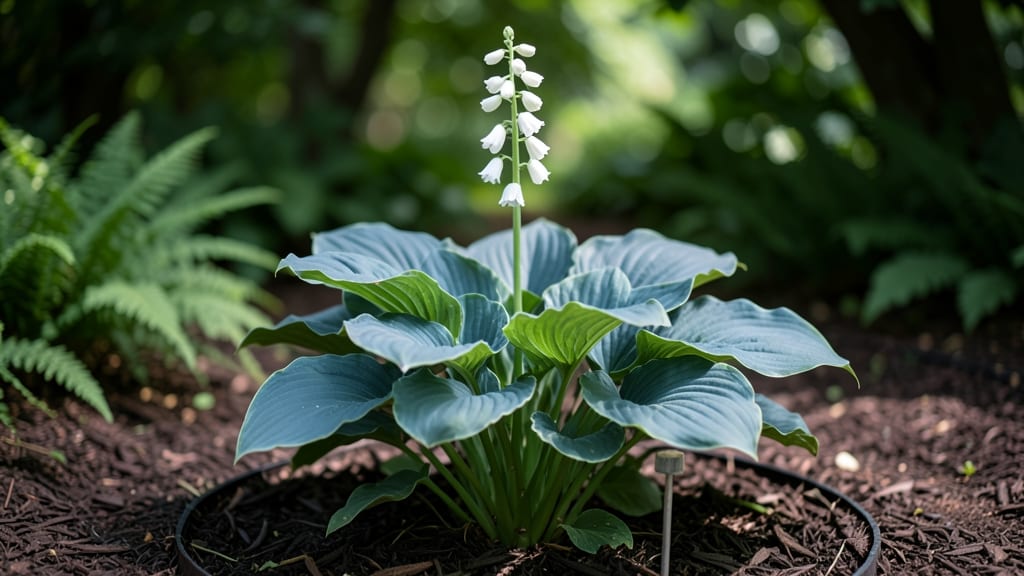
Part shade means 3 to 6 hours of direct sunlight daily for plants, combined with dappled or filtered light for the rest of the day. This middle ground prevents leaf burn while supporting steady photosynthesis.
Understanding part shade isn't just about counting hours—it's about balancing intensity. Morning sun (cooler and less harsh) often counts differently than afternoon sun, which can scorch leaves even in shorter bursts. 🌿 I've seen ferns thrive with just 3 hours of morning light in humid climates, while hostas might need 6 hours of filtered afternoon sun in drier regions.
The key is observing your plants: yellowing leaves or crispy edges signal too much light, while weak stems or pale foliage mean they're not getting enough.
Seasonal shifts also change the equation. In summer, when the sun is higher and more intense, you might reduce direct exposure to 4 hours or less, while winter's gentler light could allow up to 6 hours without risk.
Many gardeners use shade cloths (30-50% coverage) to fine-tune conditions, especially for heat-sensitive varieties like impatiens or caladiums.
💡 In This Article
- How Sunlight Hours Define Part Shade Categories
- Adjusting Part Shade Hours by Plant Type and Season
How sunlight hours define part shade categories
Part shade isn't just a time-based measurement—it's about balancing light intensity with plant physiology. The 3 to 6 hours range accounts for how plants absorb light through their leaf structure.
For example, ferns with delicate, waxy fronds can tolerate just 3 hours of direct sun because their leaves reflect excess light, while broader-leaved plants like hostas need up to 6 hours to maintain chlorophyll production.
The angle of sunlight matters too: morning light (lower intensity) often counts more toward the daily total than harsh afternoon rays.
Climate plays a surprising role in these thresholds. Coastal regions with high humidity and damp air> can extend part shade tolerance to 6 hours> because moisture helps dissipate heat.
Inland areas with dry, hot summers>, however, may require reducing direct exposure to 3-4 hours> to prevent leaf desiccation. Even the season> affects this: winter's lower sun angle> means light spreads more gently, allowing plants to handle longer durations without stress.
The science behind this involves photosynthesis efficiency>. Plants in part shade operate at about 50-70%> of their maximum photosynthetic capacity—enough to grow but not so much that they overheat. This "sweet spot" prevents photoinhibition>, where excess light damages chlorophyll.
Think of it like a plant's Goldilocks zone: not too much, not too little, but just right for steady energy production.
Light quality also shifts the equation. Blue light> (peak at 450 nm>) drives photosynthesis, while red light> (peak at 660 nm>) fuels growth. Part shade plants often receive more blue light, which explains why they may develop deeper green foliage.
In contrast, full-sun plants get a broader spectrum, including more red light that promotes flowering. This spectral balance is why some part-shade plants (like heuchera>) develop vibrant red or purple hues—it's their way of adapting to lower light conditions.
Here's a practical way to visualize it: imagine a 6-foot-tall plant> in your garden. If the sun casts a 4-foot shadow> at its peak (around noon), that's roughly 4 hours> of direct light for that spot.
But if you're in a woodland garden> with overhead branches filtering light, those same 4 hours> might feel like 6 hours> of part shade due to the diffused quality.
That's why gardeners often describe part shade as "dappled sunlight>"—it's not just about duration, but how that light is delivered.
One common mistake is assuming all part shade is equal. For instance, a east-facing window> might provide 6 hours> of gentle morning light, while a west-facing spot> could deliver only 3 hours> of intense afternoon sun—yet both might be labeled as part shade.
The difference lies in the light intensity>, measured in foot-candles>: east-facing light might be 1,000-2,000 foot-candles>, while west-facing could hit 3,000-5,000 foot-candles> at its peak. 🌿
To test your garden's part shade conditions, try this: place a white piece of paper> in suspect spots for a week. If it shows light and dark patches> (like a sun-dappled forest floor), that's classic part shade.
If it's uniformly faded, you're likely in full sun. This simple test reveals how light behaves in your space—knowledge that's worth more than any rule of thumb.