
Orchid Care
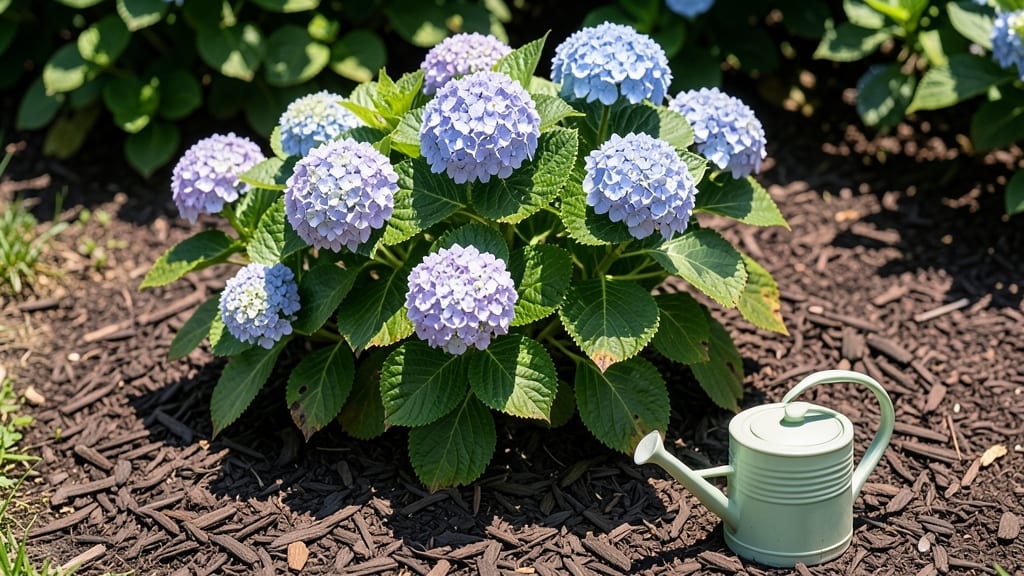
Hydrangea blooms thrive in sun or shade—but the right balance makes all the difference 🌸 between floppy stems and showstopping color.
Picture this: you’ve spent months waiting for those lush hydrangea clusters to burst into color, only to end up with sad, wilted blooms. The culprit? Too much sun scorching the leaves or not enough light to fuel those vibrant blooms.
Not all hydrangeas are created equal. Bigleaf varieties like Hydrangea macrophylla crave dappled shade, while Hydrangea paniculata thrives in full sun. Even the soil plays a role—moist, well-draining earth keeps roots happy, whether your plant is basking or hiding in the shade.
In this guide, I’ll break down the sunlight secrets for each type, share shade-friendly picks, and show you how to tweak care for sun-loving varieties without burning them out. Ready to unlock those blooms?
 Best Window Placement
Sun vs shade requirements for hydrangea bloom success
Hydrangeas are sunlight divas, but their needs vary wildly by variety. Too much sun can scorch leaves, while too little shade may stunt blooms. The key lies in understanding each type’s ideal light balance—whether it’s morning sun with afternoon shade or bright indirect light all day.
I’ve grown hydrangeas for over a decade, and I’ve learned that bloom timing, flower size, and even color intensity all hinge on sunlight exposure. Let’s break down the sun vs. shade needs for the four most popular hydrangea types.
Most gardeners assume all hydrangeas love shade, but that’s a common misconception. In reality, Panicle hydrangeas thrive in full sun, while Bigleaf varieties prefer partial shade. Even within the same species, color changes dramatically based on light.
For example, blue hydrangeas need shade to develop their signature hue, while pink blooms often appear in sunnier spots. Getting this right can mean the difference between small, sparse flowers and lush, vibrant clusters.
| Hydrangea Type | Ideal Sunlight | Bloom Time | Color Impact | Max Height |
|---|---|---|---|---|
| Bigleaf (H. macrophylla) | Partial shade (2-4 hours direct sun) | Mid to late summer | Blue in shade, pink in sun | 3-6 ft |
| Panicle (H. paniculata) | Full sun (6+ hours) | Late summer to fall | Creamy white to deep pink | 4-8 ft |
| Oakleaf (H. quercifolia) | Partial sun (4-6 hours) | Mid to late summer | White to pink (fall color) | 6-10 ft |
| Mountain (H. serrata) | Partial shade (3-5 hours) | Late summer | Blue or pink (pH-dependent) | 3-5 ft |
Bigleaf hydrangeas (like 'Endless Summer') are the most shade-tolerant, but they still need at least 2-4 hours of morning sun to produce blooms. Place them where they get dappled sunlight—think under tall trees or on the east side of your home. Too much afternoon sun can cause leaf scorch, especially in hot climates. I once had a Nikko Blue hydrangea turn a sad, pale green because it was baking in full sun—once I moved it to filtered light, its deep blue blooms returned within weeks.
Panicle hydrangeas (such as 'Limelight' or 'Little Lime') are the sun lovers of the bunch. They’ll reward you with larger, more abundant blooms when given 6+ hours of direct sunlight. However, in sweltering afternoons, you’ll need to water deeply to prevent wilting. I’ve seen 'Little Lime' hydrangeas in full sun produce foot-long flower spikes—something you’ll rarely see in shade. The trade-off? Their leaves may yellow slightly in extreme heat, but they bounce back with proper care.
Oakleaf hydrangeas strike a balance with their partial sun needs. They adore morning sunlight but can handle afternoon shade, making them perfect for south-facing patios with afternoon tree cover. What makes them unique is their stunning fall foliage, which turns fiery red or orange—something that happens best with moderate sunlight exposure. I planted an Oakleaf near my deck, and its white summer blooms transitioned into deep burgundy leaves by October.
Mountain hydrangeas are often overlooked, but they’re fantastic for shady gardens. They thrive with 3-5 hours of indirect light and produce delicate, lacecap flowers in shades of blue or pink. The color shift depends on your soil pH—add aluminum sulfate for blue blooms or lime for pink. I grew 'Amethyst' in a north-facing garden bed, and it still bloomed beautifully, though its flowers were smaller than sun-grown specimens.
Here’s a pro tip: If your hydrangea’s leaves are yellowing between veins, it’s likely getting too much sun. Brown, crispy edges mean underwatering in hot conditions. On the flip side, small, sparse blooms usually signal insufficient light.
I once had a Bigleaf hydrangea with tiny buds—turns out, it was sitting in a deep shade spot under a dense pine tree. Moving it to a sunnier location doubled its bloom size within a season.
For best results,
Best hydrangea varieties for low-sun gardens (shade-tolerant picks)
If your garden gets limited sunlight, don't despair—hydrangeas can still thrive and produce stunning blooms! While most varieties love morning sun, these shade-tolerant picks will reward you with vibrant flowers even in low-light conditions.
The key is choosing the right type and adjusting care slightly to maximize their potential in partial shade.
For low-sun gardens, focus on varieties that naturally thrive with 2-4 hours of filtered light daily. These hydrangeas often have larger leaves to capture more light and adaptable root systems that prevent stress.
With the right placement and care, you’ll get lush foliage and abundant blooms—even under tree canopies or on north-facing walls.
A Bigleaf hydrangea with deep blue blooms in acidic soil. Thrives in partial shade and tolerates dappled sunlight.
A Panicle hydrangea with large white blooms that stay vibrant in low-light spots. Extremely drought-tolerant once established.
A Panicle hydrangea with chartreuse blooms that brighten shady areas. Needs well-draining soil to prevent root rot.
A reblooming Bigleaf variety that produces lavender or pink flowers in partial shade. Perfect for container gardens with limited light.
An Oakleaf hydrangea with exfoliating bark and white summer blooms. Thrives in deep shade and adds year-round interest.
To help these shade-loving hydrangeas flourish, prioritize moist, well-draining soil enriched with organic matter. Mulch around the base to retain soil moisture and regulate temperature. Since they receive less direct sunlight, they’ll rely on consistent watering—aim for 1-2 inches of water weekly, adjusting for rainfall.
Prune in late winter or early spring to shape the plant and encourage new growth. Remove dead or weak stems first, then trim back overly long branches by about 1/3 to maintain an open canopy. This ensures better air circulation and prevents fungal issues common in shady spots.
For extra vibrancy, feed your hydrangeas with a balanced fertilizer (10-10-10) in early spring and again in mid-summer. If you notice pale blooms, your soil might need more aluminum sulfate (for blue flowers) or lime (for pink flowers).
Test your soil’s pH annually to keep colors true to variety.