
Shrubs
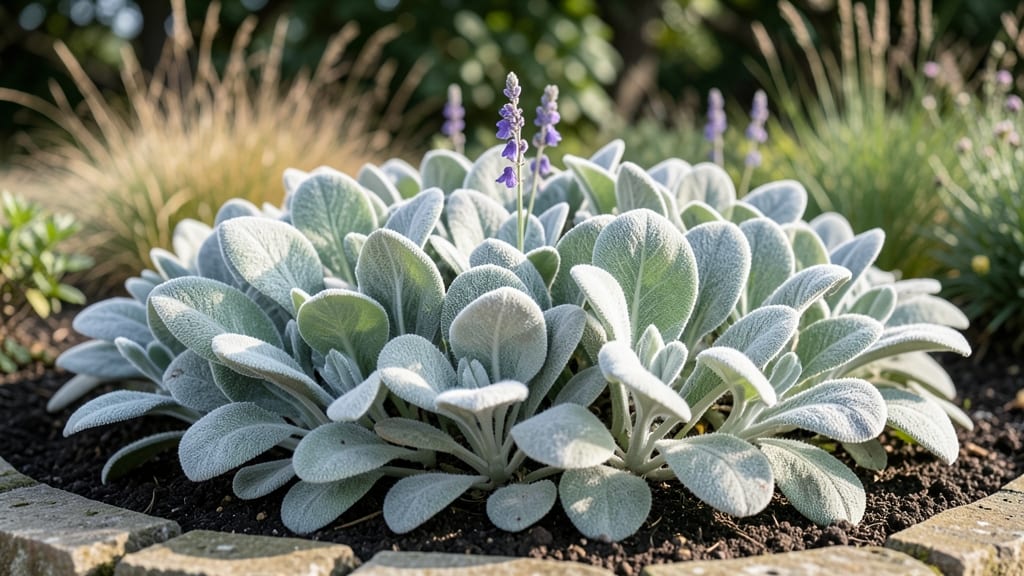
Lamb's ear thrives in deep shade where most plants struggle. ✨ Its velvety silver leaves create a stunning privacy screen that stays lush even when sunlight is scarce, making it my go-to for shady spots that need texture and drama.
The secret lies in its adaptability—it handles partial shade to full shade better than many shrubs, and its soft foliage pairs beautifully with ferns, hostas, and astilbes. I’ve used it in borders, containers, and even as a low hedge where nothing else would grow.
You’ll love how it brightens dark corners with its silvery sheen while requiring minimal care. Just keep the soil well-draining and water occasionally—it’s drought-tolerant once established, making it a foolproof choice for low-maintenance shade gardens.
Perfect for under trees, along north-facing walls, or in woodland gardens where most plants wilt. Let’s make your shady spots shine with this versatile beauty!
📚 In This Guide
- What you need
- Instructions
- Tips and common mistakes
- Wrapping up and next steps
What you need
- ● Lamb’s ear plants: 3–5 healthy nursery-grown plants (check for fuzzy silver foliage and sturdy stems).
- ● Well-draining soil: Mix 2 parts garden soil with 1 part perlite or coarse sand (improves drainage in shady spots).
- ○ Compost: 1–2 cups per planting hole for nutrients (optional but recommended for poor soil).
- ● Mulch: 2–3 inches of organic mulch (e.g., shredded bark or straw) to retain moisture and suppress weeds.
- ● Watering can or hose: With a gentle spray nozzle for even hydration.
- ● Garden gloves: To protect your hands from prickly stems and soil.
- ● Trowel or spade: For digging planting holes (6–8 inches deep and wide).
- ○ Pruners (sterilized): For trimming leggy stems or dead growth (optional but helpful).
- ○ Sunlight meter (optional): To confirm your spot gets partial shade (2–6 hours of dappled light)—lamb’s ear thrives here!
- ○ Fertilizer (slow-release, 10-10-10): 1 tbsp per plant in spring (optional for nutrient boost).
How to create a thriving lamb's ear shade screen
This soft, velvety plant thrives where others fail—let’s build a living privacy screen that’s both beautiful and low-maintenance.
🌱 Step 1: Select and Prepare Your Planting Site
Lamb’s ear (Stachys byzantina) loves partial to full shade but still needs well-draining soil. Test your spot: if water pools after rain, amend the soil with 2-3 inches of compost and a handful of perlite to improve aeration. I always dig a 12-inch deep hole for each plant—this gives roots room to spread without competing with surface roots.
Choose a location with 3-6 hours of dappled sunlight (morning sun is ideal). Too much direct shade slows growth, while full sun can scorch the fuzzy leaves. If your yard is deeply shaded, group plants closely—12-18 inches apart—to create a dense screen faster. Mark planting spots with sticks to avoid crowding.
🪴 Step 2: Plant Lamb’s Ear for Maximum Fullness
Dig each hole twice as wide as the root ball but only as deep—planting too deep suffocates roots. Gently loosen the root mass before placing it in the hole. Backfill with native soil mixed with 1 cup of slow-release fertilizer (10-10-10 ratio works well). Press firmly around the edges to eliminate air pockets, but don’t compact the soil.
Water deeply immediately after planting—this settles the soil and encourages root expansion. You’ll know it’s right when moisture reaches 6 inches deep. Mulch with 2 inches of shredded bark to retain moisture and suppress weeds. Avoid piling mulch against stems, which can trap excess moisture and rot the base.
☀️ Step 3: Maintain Shade Tolerance and Encourage Growth
Water once a week during the first growing season, but only if the top 2 inches of soil feel dry. Lamb’s ear is drought-tolerant once established, but young plants need consistent moisture. I use a soaker hose to water at the base—avoid overhead sprinklers, which can damage the velvety leaves and promote fungal issues.
Fertilize lightly once in early spring with a balanced organic fertilizer (like fish emulsion). Too much nitrogen makes leaves grow fast but weak, reducing their silvery beauty. Prune back any leggy stems in late winter to encourage bushier growth. You’ll see new shoots emerge within 3-4 weeks—that’s your sign the plant is thriving.
✂️ Step 4: Prune and Shape for a Polished Screen
Trim back 1/3 of the oldest growth in early spring to make room for fresh foliage. Use clean, sharp shears to avoid tearing leaves. Shear lightly in mid-summer to maintain shape, but avoid heavy pruning—this plant fills in naturally over time. Deadhead spent flowers (if any appear) to redirect energy into leaf growth.
Watch for powdery mildew in humid conditions—this is the plant’s only real pest. If you spot white residue, spray leaves with neem oil and improve airflow by thinning out crowded stems. Lamb’s ear rarely needs division, but if plants outgrow their space after 3-4 years, dig up clumps in early spring and replant sections elsewhere.
⏰ Step 5: Winter Care for Year-Round Privacy
Lamb’s ear is hardy to USDA Zone 4, but young plants may need 1-2 inches of mulch in winter to protect roots from freeze-thaw cycles. In mild climates, no extra care is needed—the silvery foliage stays attractive all winter. In harsh winters, cut back stems by half in late fall to reduce wind damage and encourage fresh growth in spring.
Your shade screen will reach 3-4 feet tall within 2-3 years, creating a lush, textured barrier that blocks wind and noise. The best part? It stays green and velvety even when other shade plants yellow or wilt. Adjust spacing as needed—closer plants fill gaps faster, while wider spacing gives a more refined look.
Tips & tricks for perfect lamb's ear privacy screens
Between us, these little tricks will turn your shade garden from "meh" to "wow" without extra effort.
Soil Prep Secret: Before amending with compost and perlite in Step 1, test your soil's drainage by digging a small hole and filling it with water. If it doesn't drain within 2 hours, you definitely need the perlite—this plant hates soggy roots. I've seen lamb's ear thrive in clay soil when properly amended, but it's a non-negotiable for heavy, compacted areas.
Planting Depth Hack: That "only as deep" instruction in Step 2 is crucial—planting too deep suffocates roots. Look for the soil line on the root ball as your guide. If you're unsure, err on the side of shallower. The plant will tell you what it needs: if leaves yellow after planting, you've buried it too deep. A simple fix is to gently lift and re-plant at the correct depth.
Watering Wisdom: The "water once a week" guideline in Step 3 works best with morning watering—it gives leaves time to dry before evening, reducing powdery mildew risk. For that first deep watering after planting, I like to use a garden trowel to create small channels around the root ball. This helps moisture penetrate deeper without disturbing the soil structure.
Pruning Precision: When you trim back 1/3 of the oldest growth in Step 4, focus on the stems that look woody or have lost their silvery sheen. These are the ones that won't bounce back. I always prune just above a leaf node where new growth can emerge. The plant's natural growth habit means you'll rarely need to shape it—it grows in that perfect rounded form on its own.
Pro Tips for Lambs Ear Shade
- Between us, these little tricks will turn your shade garden from "meh" to "wow" without extra effort.
- Soil Prep Secret: Before amending with compost and perlite in Step 1, test your soil's drainage by digging a small hole and filling it with water.
- Planting Depth Hack: That "only as deep" instruction in Step 2 is crucial—planting too deep suffocates roots.
Frequently asked questions
Got questions about growing Lamb’s Ear shade? You’re not alone!
This hardy, velvety plant is a favorite for adding texture and softness to shady spots, but it’s natural to wonder about care, placement, and troubleshooting. Here are answers to the most common queries to help you cultivate a thriving patch of Stachys byzantina.
Can Lamb’s Ear grow in full shade?
Lamb’s Ear (Stachys byzantina) thrives in partial shade (3–6 hours of sunlight daily) but can tolerate deep shade—though its growth may be slower, and leaves might lose some of their iconic silver-gray hue. If your garden is fully shaded (e.g., under tall trees), pair it with hostas or ferns for a lush understory. For best results, place it near dappled sunlight or a north-facing wall.
How often should I water Lamb’s Ear in shade?
This drought-tolerant plant prefers moderate moisture but hates soggy soil. Water deeply once or twice a week in shade, letting the top inch of soil dry out between sessions. Pro tip: Mulch with 2–3 inches of organic matter (like shredded bark) to retain moisture and suppress weeds. Overwatering in shade can lead to root rot, so ensure containers or beds have good drainage.
When and how should I prune Lamb’s Ear?
Prune in early spring (before new growth) to shape the plant and remove dead or leggy stems. You can also lightly trim throughout the season to encourage bushiness. Never shear heavily—this plant grows in clumps, not as a formal hedge. For a neater look, pinch back tips in late spring to promote denser foliage. Wear gloves! The leaves are soft but fuzzy and can irritate skin.
What pests or diseases should I watch for with Lamb’s Ear?
Lamb’s Ear is pest-resistant, but watch for:
- Spider mites (in dry conditions): Spray leaves with water or use neem oil.
- Powdery mildew (from poor airflow): Improve spacing or prune for airflow.
- Leaf spot (fungal): Remove affected leaves and avoid overhead watering.
What are some shade-loving alternatives to Lamb’s Ear?
If you love the texture and softness of Lamb’s Ear but want variety, try these shade-tolerant plants:
- Heuchera (Coral Bells): Vibrant foliage in purples, silvers, and deep greens.
- Hosta: Broad leaves in blue, gold, or variegated patterns.
- Astilbe: Feathery plumes in pinks, whites, and reds.
- Japanese Painted Fern: Silvery and burgundy fronds for contrast.
Wrapping up and next steps
Transforming shady spots into lush, private retreats is easier than you think with Lamb’s Ear shade! This hardy, velvety plant thrives where others falter, offering natural beauty and low-maintenance privacy with minimal effort.
Whether you’re a seasoned gardener or just starting, its resilience and striking foliage make it a standout choice for deep shadows.
Ready to elevate your garden? Start small—plant a few Lamb’s Ear shrubs in a sunny corner (yes, even partial shade works!) and watch them grow into a serene, green haven. Your future self—and your neighbors—will thank you! 🌿✨